

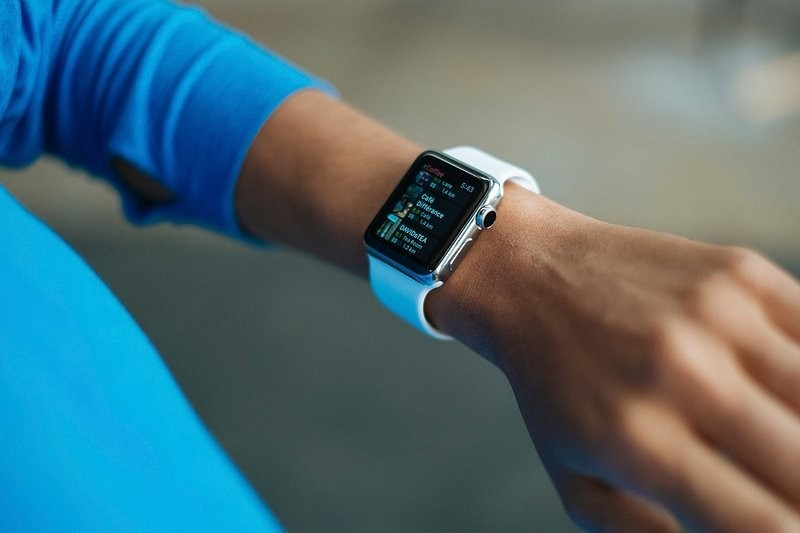
Apple has quietly brought back blood oxygen monitoring to affected Apple Watch models in the U.S., like the Series 9, Series 10, and Ultra 2—but with a key change. A clever software workaround, cleared by a recent U.S. Customs decision, now shifts the actual blood-oxygen computation off the watch to its paired iPhone, where readings appear in the Health app’s Respiratory section. This move circumvents a ban arising from a patent dispute with medical-tech firm Masimo. Importantly, only U.S. watches sold after an early-2024 ban need this workaround—older or overseas models remain unaffected.
Sources: The Verge, TechRadar, Wired
Key Takeaways
– Two-device workflow: The Apple Watch now captures raw SpO₂ data, but it’s processed entirely on the iPhone—readings are only viewable in the Health app, not on the watch screen itself.
– Legal workaround: This redesign is Apple’s legally compliant fix to resume U.S. imports of watches disabled by a Masimo-related import ban, enabled via a favorable U.S. Customs ruling.
– Limited scope: The update affects only U.S. units sold after the import ban took effect; prior models and internationally sold watches were never impacted or already had the feature intact.
In-Depth
Apple’s latest move to restore blood-oxygen monitoring is a savvy, measured solution that upholds user health features while respecting legal boundaries. After a drawn-out patent battle with Masimo triggered an import ban, Apple engineered a workaround and secured U.S. Customs approval to reinstate the functionality—albeit in a modified form.
Rather than processing SpO₂ readings on the watch itself, the updated system now sends raw sensor data to your iPhone for analysis. You’ll still get your health stats, just not on your wrist—now they show up in the Health app under the Respiratory tab. It’s less seamless than before, but it works. And from a policy perspective, it’s a brilliant compromise: restoring consumer access without infringing on adjudicated patents.
This matters especially because it safeguards Apple’s competitiveness in the wearable market. Your Apple Watch remains your central health hub—ECG, irregular-rhythm alerts, sleep tracking, fall detection are still on board—but now with SpO₂ only a glance at your phone away. From a conservative standpoint, that’s smart innovation paired with practical constraint: obey the law, but keep delivering value.
Importantly, only U.S. watches sold after the ban’s onset are affected by this redesigned feature. If you bought your Series 9, 10 or Ultra 2 before early 2024, or purchased it abroad, you already had the full version intact. Now, with iOS 18.6.1 and watchOS 11.6.1 updates rolling out, American users of impacted models are getting their tracking capability back. It’s a reminder that thoughtful regulation can coexist with technological progress—no need for heavy-handed fix, just sensible tuning.