

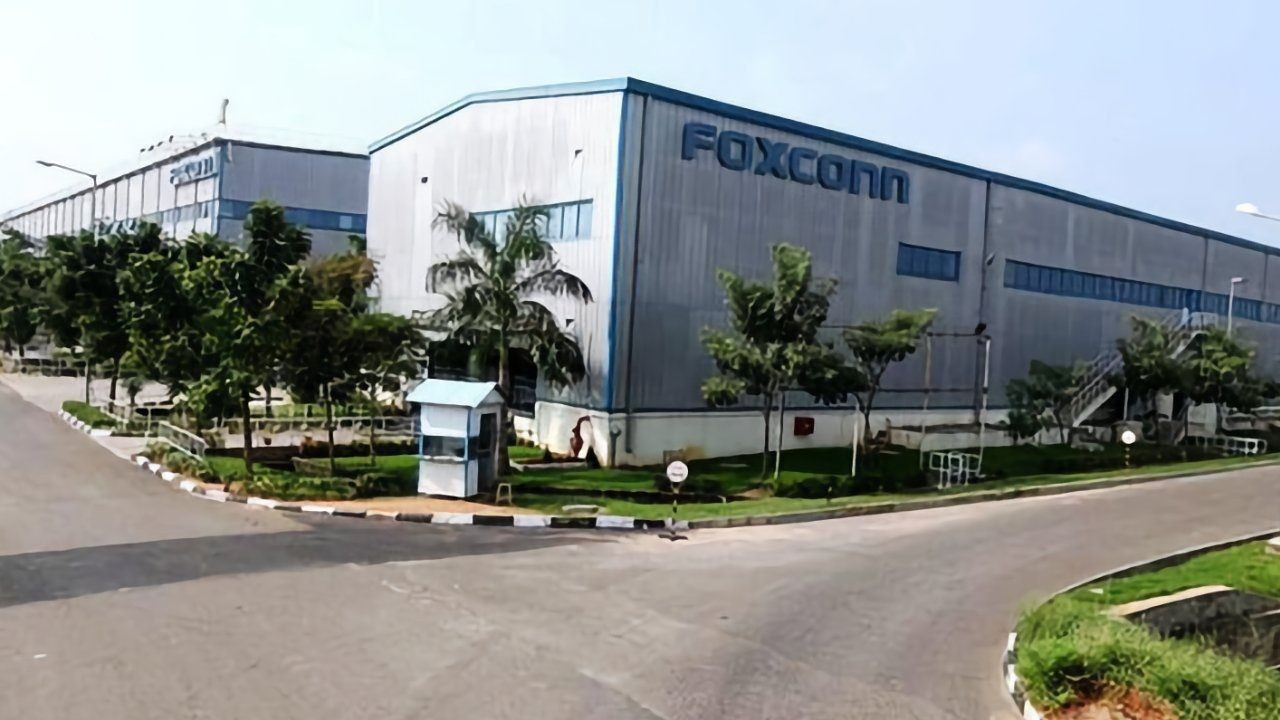
Apple is reportedly set to manufacture all four models of the iPhone 17—including the Pro variants—in India, marking a notable shift away from reliance on China for its U.S.-bound supply chain. Reports from Investopedia detail that five Indian factories—including those run by Foxconn and Tata Group—are gearing up for full production. The Verge and Times of India corroborate this pivot, emphasizing India’s heightened role amid U.S.–China tariff pressures, while Bloomberg notes India has become the top U.S. smartphone supplier as Apple accelerates its expansion there.
Sources: Investopedia, The Verge, Times of India
Key Takeaways
– Apple is consolidating entire iPhone 17 production in India—including flagship “Pro” versions—likely aiming to sidestep escalating U.S.–China trade tensions.
– The move involves multiple facilities, with Foxconn and Tata Group playing major roles, strategically enhancing India’s manufacturing capacity.
– India has overtaken China as the top supplier of smartphones to the U.S. during this period, reflecting the rapid acceleration of Apple’s production footprint there.
In-Depth
Apple’s decision to produce all four iPhone 17 models in India signals a clear-cut strategic recalibration—balancing supply-chain resilience with geopolitical pragmatism.
For years, Apple has been inching toward diversification, but this leap represents a bold pivot away from its traditional reliance on Chinese manufacturing hubs. Leveraging the capacities of both Foxconn and Tata Group, these factories are primed not just for volume, but for flagship-level quality, ensuring that Apple’s most premium models meet global standards.
India’s rise isn’t accidental—it’s been in motion for a while, propelled by favorable government policies, cost efficiencies, and Apple’s own long-term vision for supply-chain flexibility. Now, facing stiffer tariffs and geopolitical headwinds, Apple is accelerating the transition. The payoff is already visible: India has become the largest supplier of smartphones into the U.S. market, delivering a powerful statement that global tech giants can—and will—adapt swiftly when required.
Still, challenges remain—component sourcing, workforce scale-up, and infrastructure expansion—but if India continues this trajectory, it could well become Apple’s new backbone for iPhone assembly. In short, what began as contingency planning has turned into a watershed moment for how the world’s most valuable company will build its flagship devices going forward.