

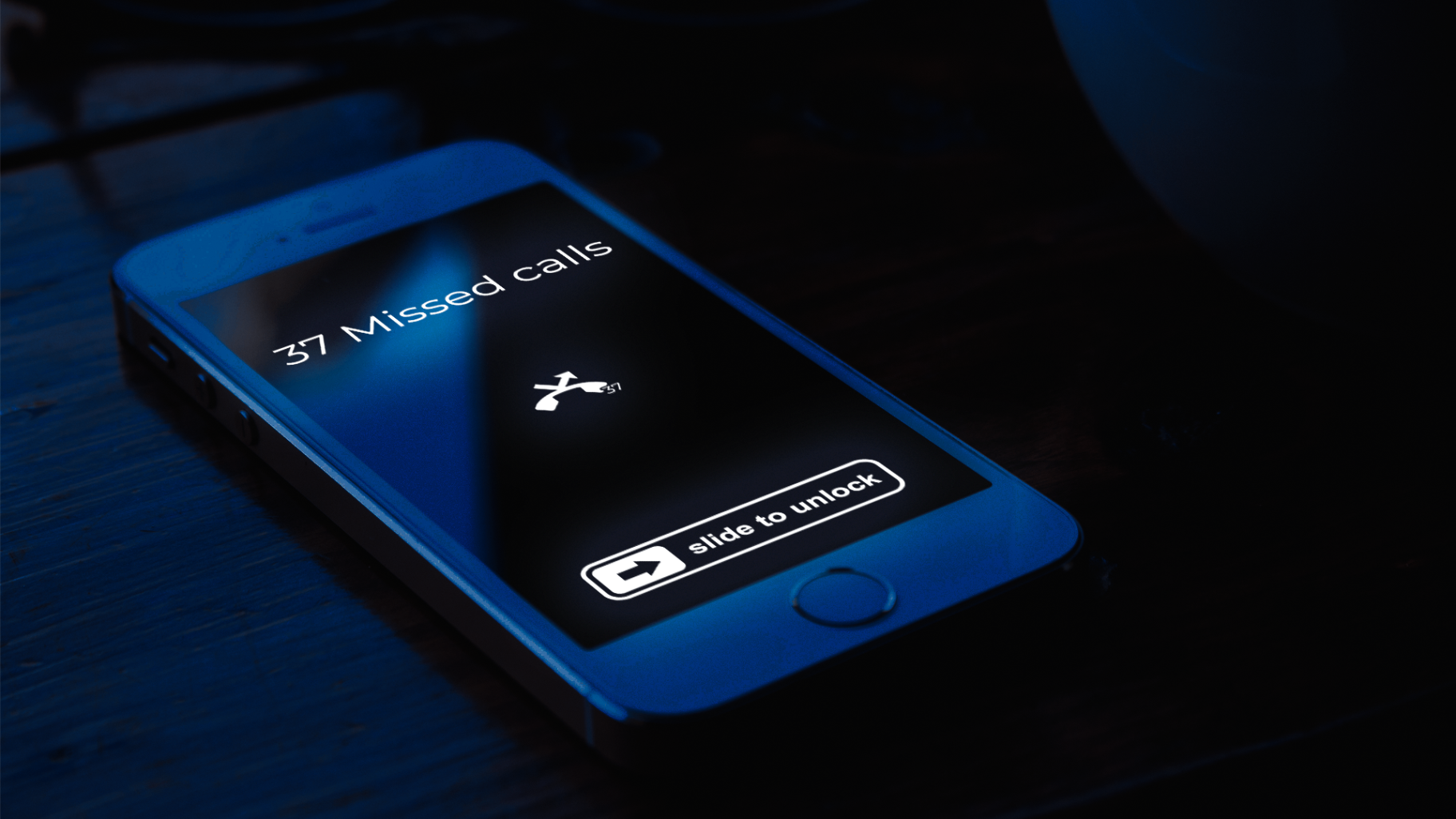
Apple‘s upcoming iOS 26 introduces powerful new features meant to cut down spam across both calls and texts. For calls, there’s AI-powered call screening: when a call comes from an unknown number, the phone can automatically answer in the background and ask the caller to identify themselves and state a reason. Only after that process does the phone ring, giving the user the option to accept, decline, or send to voicemail. This is paired with stronger message protections: unknown senders automatically go into separate folders, links in suspected scam messages are disabled, and replies to suspected spam may be blocked by default. The changes aim to reduce unwanted interruptions, protect user privacy (since much of the processing is device-based), and raise the bar for what users expect in terms of protection against spam.
Sources: Business Insider, WebProNews, Economic Times
Key Takeaways
– Reduced Interruptions & Enhanced Caller Vetting: Unknown callers must provide identity information and purpose before the phone rings, helping keep robocalls and spam calls from disturbing users.
– Text Message Spam Controls Tightened: iOS 26 filters texts from unknown senders, disables links in suspected spam texts, and blocks replies unless the message is moved to a trusted folder, limiting the risk from “smishing” (SMS phishing).
– Potential Side Effects for Campaigns & Contact Reliance: Features like auto-filtering of unknown senders may affect political campaigns and other organizations that send texts from numbers not saved in recipients’ contacts, possibly reducing visibility and reach.
In-Depth
Apple is stepping up its defenses against spam and unwanted distractions in iOS 26 by introducing AI call-screening and tougher controls over messaging. The goal is clear: fewer robocalls, fewer deceptive texts, and more user control. The new call screening works like this: if someone calls you from a number not in your contacts, iOS can silently answer, ask the caller to state who they are and why they’re calling, and only ring your phone after that vetting.
It’s an evolution beyond features like “Silence Unknown Callers,” offering more information up front—and reducing missed calls from valid sources becomes less likely, since the caller still has to give their reason. Meanwhile, text messages are getting new protection layers. Messages from unknown senders are separated into folders like “Unknown Senders” or “Spam,” links are disabled in suspected spam messages, and replies are prevented unless the user first moves the message to a more trusted context. All these measures are designed to reduce accidental interaction with scams, a growing problem in SMS phishing.
From a user perspective, the promise is a quieter phone and a safer inbox. No more constant interruptions, fewer worries about clicking the wrong link. On the flip side, this could create friction: some legitimate calls or texts might be screened out until the caller proves themselves, and organizations (including political campaigns) that rely on outreach by text may see diminished visibility unless recipients have previously saved their number or otherwise identified them as trusted. Also, older devices or users who opt out of certain permissions might not gain full benefit.
In sum, with iOS 26 Apple is leaning heavily into privacy and AI-powered filtering to give users more control over their communications. The update looks poised to shift expectations—not just for what iPhones do by default, but for what users demand from phone carriers and third-party apps in terms of avoiding unwanted intrusion.