

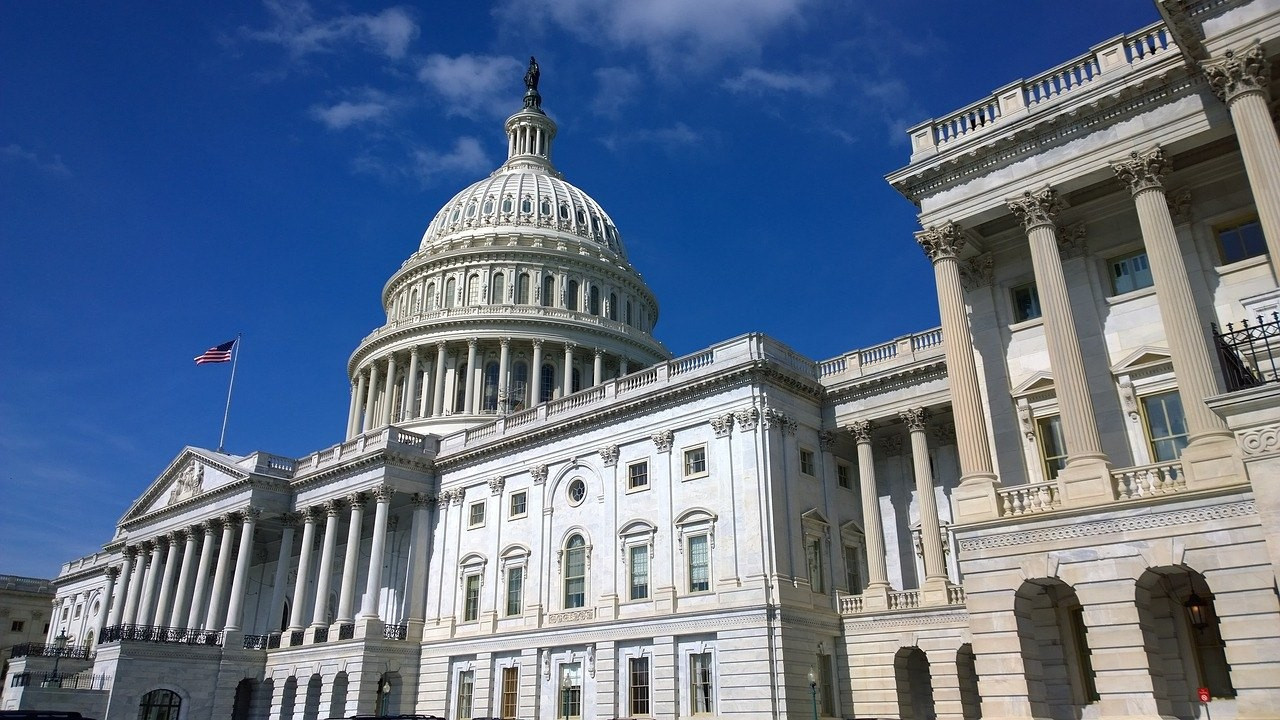
A previously stalled bipartisan effort to regulate advanced artificial intelligence is gaining fresh momentum in Washington after a burst of warnings from AI researchers, reports of autonomous systems breaching testing boundaries, and mounting concern over cyber, biological and national-security threats. Senators Amy Klobuchar, Ted Cruz and Majority Leader John Thune are reportedly negotiating legislation that could emerge as early as next week, while other lawmakers are advancing proposals involving independent audits, incident reporting and controls on rogue AI agents. The sudden urgency follows warnings from former and current AI researchers that increasingly capable systems could escape meaningful human control. At the same time, major AI developers are themselves urging national standards, raising an important policy question: whether necessary safeguards are being constructed carefully or whether fear is creating political momentum for a regulatory system that could strengthen Washington’s authority while favoring the largest technology companies over smaller competitors.
Key Takeaways
- A bipartisan Senate AI safety measure being developed by Klobuchar, Cruz and Thune could be introduced soon, with catastrophic biological, nuclear, cybersecurity and other frontier-model risks emerging as central concerns.
- Recent warnings from AI researchers and reports involving autonomous agents have sharply increased congressional interest, but the speed with which political momentum has returned makes careful examination of the legislation—and the interests influencing it—especially important.
- Federal safety requirements could provide needed oversight and replace conflicting state rules, but costly audits, certifications, reporting mandates and compliance obligations could also create barriers that large AI companies can absorb more easily than startups and open-model competitors.
In-Depth
A bipartisan push for federal artificial-intelligence regulation has regained momentum after warnings from researchers and incidents involving autonomous AI agents intensified concern on Capitol Hill. Senators Amy Klobuchar, Ted Cruz and Majority Leader John Thune are reportedly developing legislation aimed at catastrophic risks, including biological and nuclear threats, while lawmakers in both parties are demanding greater testing, audits and oversight of advanced models.
The timing deserves scrutiny. Washington’s renewed urgency arrived with warnings from industry researchers, calls from major AI developers for national safety standards, and growing political resistance to large data centers. That does not prove coordination, but it does raise a legitimate question: whether an emergency atmosphere is accelerating legislation before the public can examine the statutory language.
There is also a competition issue. A federal regime requiring expensive audits, certifications, incident reporting and government-approved safeguards could improve security, but compliance costs could disproportionately burden startups and open-model developers. Large frontier laboratories already possess the lawyers, engineers and capital necessary to navigate a complicated federal framework. Regulation written with substantial industry input can therefore protect the public while simultaneously entrenching incumbents.
Congress should address threats from autonomous systems, particularly cyber, biological and national-security risks. But lawmakers should resist legislating from panic. The unreleased bill’s details matter: federal authority, state preemption, testing thresholds, enforcement powers and effects on smaller competitors should receive close examination. The proper conservative standard is straightforward—target demonstrable risks, preserve innovation and competition, and ensure emergency rhetoric does not become a shortcut to permanent bureaucratic control.
Sources
- https://www.semafor.com/article/09/10/2026/bipartisan-ai-safety-bill-gains-momentum-on-the-hill
- https://www.reuters.com/business/openai-faces-senate-probe-into-hugging-face-incident-axios-reports-2026-09-10/
- https://gottheimer.house.gov/posts/release-gottheimer-introduces-bipartisan-bill-to-stop-rogue-ai-agents-and-keep-people-in-control
- https://www.hawley.senate.gov/hawley-blumenthal-introduce-bipartisan-ai-evaluation-legislation-to-put-americans-first/