

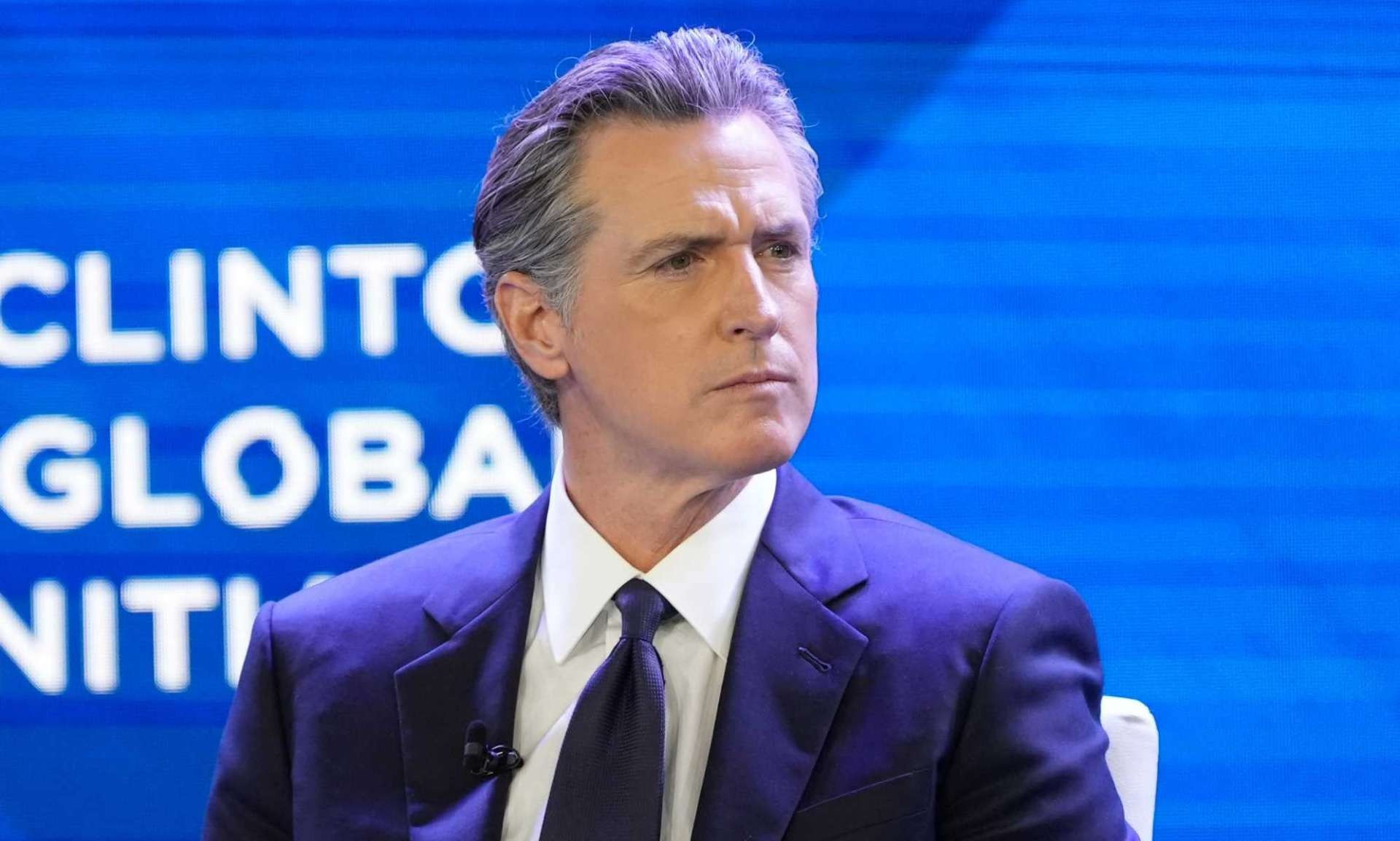
California Senate Bill 771, recently passed by the state legislature and now awaiting Governor Gavin Newsom’s signature, would allow the state to levy fines up to $1 million on large social media companies if their algorithms amplify content that violates state civil rights laws—especially when such amplification aids threats or intimidation against protected groups. The measure applies only to platforms with over $100 million in annual revenue and doubles penalties in cases involving minors. Supporters argue it addresses unchecked hate and harassment online; critics—including tech associations and civil rights groups—warn it risks chilling protected speech, conflicting with the First Amendment and federal immunities like Section 230. The bill could trigger a legal battle over the scope of platform accountability and the balance between content regulation and expressive freedom.
Sources: Washington Examiner, KCRA
Key Takeaways
– SB 771 empowers California to fine major social media firms for algorithmic amplification of content that crosses civil rights thresholds, with higher penalties for intentional violations and minors.
– Critics argue the bill’s vague terms and liability framework could coerce platforms into excessive content removal, undermining lawful expression and editorial discretion.
– The measure may collide with federal protections like Section 230 and spark major First Amendment challenges over whether algorithmic curation is “speech” under constitutional law.
In-Depth
California’s Senate Bill 771 is poised to shake the landscape of digital speech regulation. If signed into law by Governor Newsom, the measure would impose civil liability on social media platforms—specifically those with annual gross revenues above $100 million—that “relay” or amplify user content via algorithms in ways that aid or contribute to violations of California’s civil rights and hate crimes statutes. Under the bill, intentional violations could bring fines up to $1 million per incident, while reckless violations could incur up to $500,000, with penalties doubling in cases involving minors. The bill is slated to come into effect on January 1, 2027.
Supporters of SB 771 frame it as a necessary corrective in an era when major platforms have scaled back content moderation and fact-checking, allowing violent, harassing, or extremist posts to gain broader reach. California senators and advocacy groups argue that civil rights protections should extend into the digital realm, holding platforms accountable when their systems amplify unlawful content targeting protected groups. Indeed, the text of the bill draws on existing state statutes—such as the Ralph Civil Rights Act, California’s hate crime and intimidation laws, and anti-discrimination statutes—rather than creating wholly new categories of speech regulation.
Yet the opposition is fierce and diverse. The Computer & Communications Industry Association (CCIA) warns that the law’s vague definitions of “knowingly” or “recklessly” amplifying content could force platforms to adopt overly aggressive content moderation to avoid liability, chilling lawful expression. The CCIA also flags conflicts with Section 230 of the Communications Decency Act, which currently shields platforms from many lawsuits over user-generated content. Meanwhile, civil liberties and civil rights organizations—including the Council on American-Islamic Relations (CAIR-CA)—express concern that the bill could be weaponized by political actors to silence dissent or minority voices, especially when enforcement leans on automated systems or third-party pressure.
At the heart of the legal battle lies a question: does algorithmic curation by a platform count as expressive conduct subject to First Amendment protection? Recent federal cases—such as the U.S. Supreme Court’s recognition in Moody (NetChoice) that platforms’ recommendation systems may be expressive—suggest there is a doctrinal opening for such arguments. In fact, SB 771’s own legislative analysis leans on these evolving jurisprudential lines to contend that the bill does not force platforms to remove speech, but merely holds them accountable when their algorithmic processes aid wrongful content. Still, critics counter that in practice, platforms will face perverse incentives to censor more than required to avoid uncertain litigation.
As Newsom’s signature deadline looms, one thing is clear: SB 771 would set up a constitutional clash between state enforcement ambitions and the protections enshrined for free speech and intermediary immunity. The outcome could reshape not just how content is moderated, but whether platform design decisions become subject to state-level policing.