

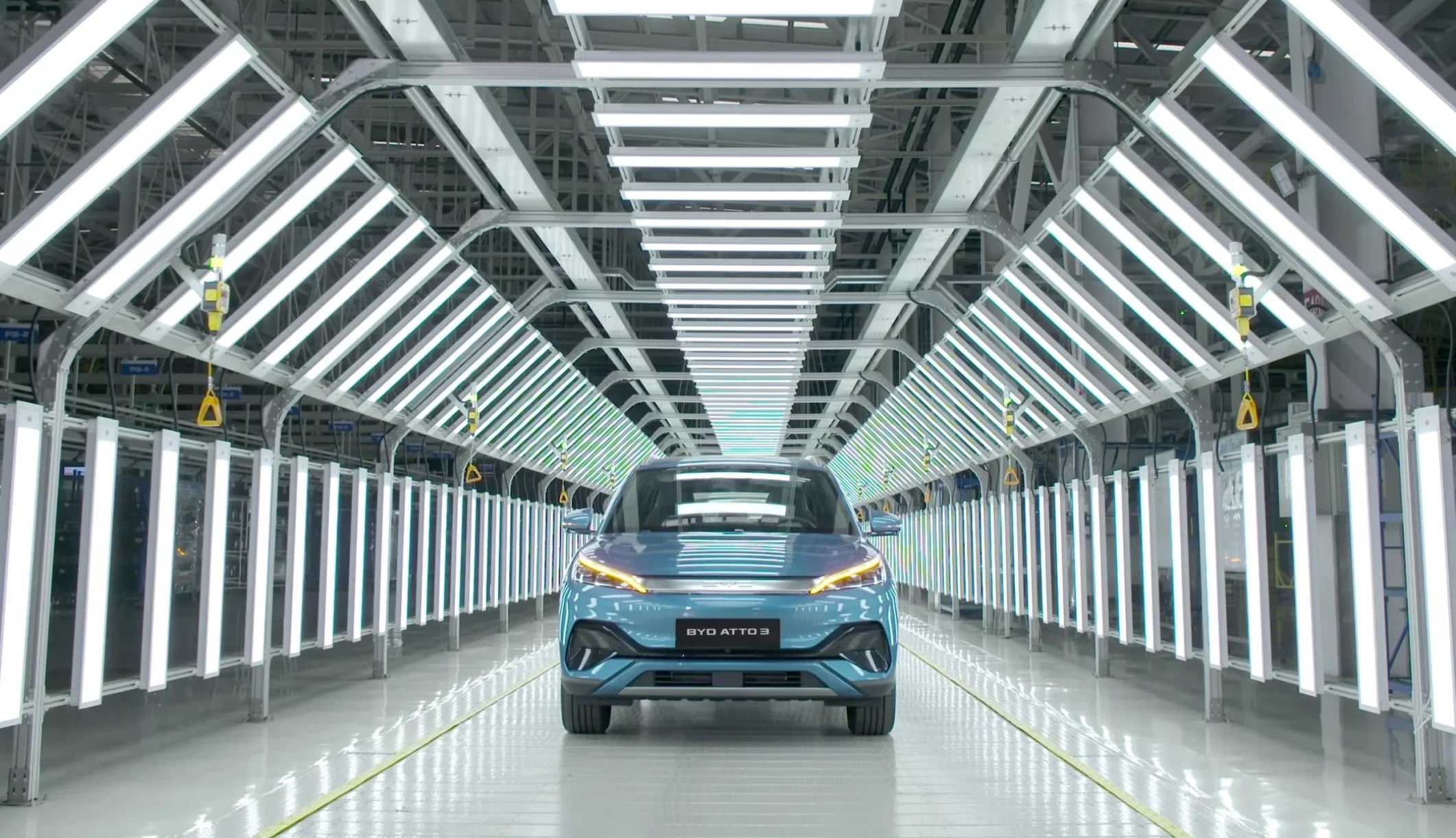
In a major shift in the global electric vehicle (EV) industry, China’s BYD has surpassed Tesla to become the world’s largest EV maker based on 2025 sales figures, selling roughly 2.25–2.26 million EVs compared to Tesla’s reported 1.64 million, marking Tesla’s second consecutive annual decline in deliveries while BYD enjoyed strong growth driven by affordable models and global expansion. This move reflects broader changes in the EV market as Chinese manufacturers increasingly dominate volume and affordability, even amid intense domestic competition and changing subsidy landscapes. China’s rise in the EV sector underscores a strategic pivot in global auto manufacturing and challenges U.S. leadership in electric vehicle production.
Sources:
https://www.semafor.com/article/01/02/2026/chinas-byd-becomes-worlds-largest-ev-company
https://www.caranddriver.com/news/a69905157/tesla-sales-down-byd-bestselling-global-ev-maker/
https://www.businessinsider.com/byd-sales-surpass-tesla-china-ev-2026-1
Key Takeaways
- BYD’s 2025 electric vehicle sales overtook Tesla’s, with roughly 2.25–2.26 million EVs sold globally versus Tesla’s 1.64 million, marking a significant leadership change.
- Tesla experienced a decline in sales for a second straight year, while BYD grew its EV volumes by nearly 28%, highlighting competitive pressure and shifting consumer demand.
- Chinese EV manufacturers like BYD are rapidly expanding globally, advancing affordability and market share beyond their domestic market and reshaping the global EV landscape.
In-Depth
China’s BYD has achieved a landmark victory in the electric vehicle market by overtaking Tesla as the world’s largest EV maker based on 2025 sales figures. BYD reported selling approximately 2.25 to 2.26 million battery electric vehicles last year, fueled by a combination of competitive pricing, broad model availability, and strong demand both domestically and overseas. In contrast, Tesla’s sales have fallen for the second year in a row, with deliveries dropping to around 1.64 million vehicles, representing a roughly 9 percent decline compared to the prior year. This dynamic reflects significant shifts in global consumer preferences and competitive positioning in the EV sector, where price sensitivity and diverse vehicle offerings are increasingly decisive.
The changing leadership underscores the growing influence of Chinese automakers in global EV markets. BYD’s extended lineup of electric and plug-in hybrid models, along with aggressive expansion into international markets, has enabled it to capitalize on demand that Tesla has struggled to maintain. Meanwhile, Tesla’s challenges—ranging from production slowdowns to market saturation in key regions—have eroded what was once a clear competitive advantage. Industry analysts suggest that BYD’s ability to undercut traditional premium pricing while scaling production has been central to its recent success. This development not only redefines competitive hierarchies within the EV industry but also signals broader geopolitical and economic implications for the future of automotive innovation and manufacturing leadership.