

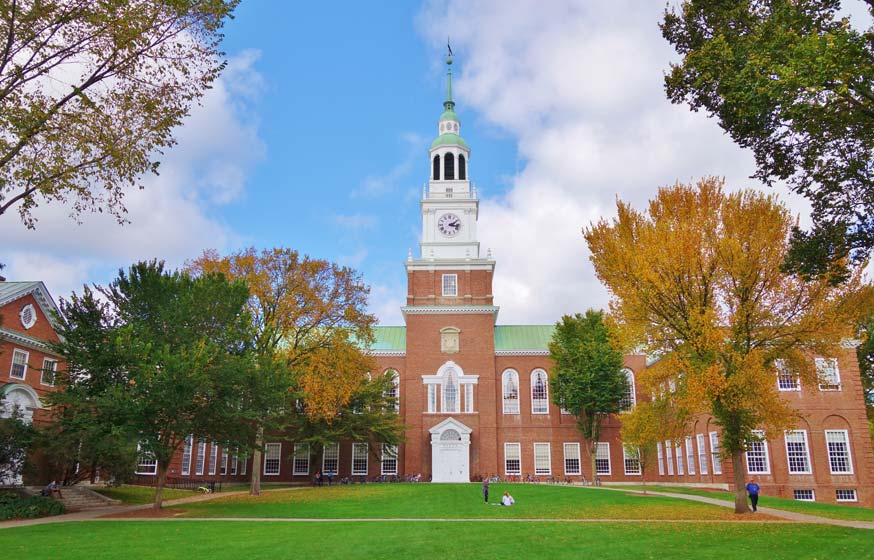
Dartmouth College Provost Santiago Schnell resigned Oct. 28, 2026, after an independent faculty investigation determined he improperly used artificial intelligence in academic publications and an opinion column criticizing AI-related cheating in higher education. Schnell, the Ivy League institution’s second-highest-ranking administrator, acknowledged using ChatGPT to refine his arguments, but an earlier analysis flagged his newspaper column as entirely AI-generated. Investigators subsequently examined his academic manuscripts, AI conversation records and communications with publishers, concluding that he violated disclosure requirements, misrepresented the extent of his AI assistance and failed to uphold institutional standards of academic integrity. The controversy intensified when students and faculty questioned whether administrators were subject to the same ethical requirements imposed on students. Dartmouth President Sian Leah Beilock confirmed Schnell’s resignation, emphasizing that university leaders must demonstrate transparency and sound judgment. The episode highlights growing concerns about intellectual honesty, institutional accountability and the increasingly blurred distinction between human scholarship and machine-generated content.
Key Takeaways
• Academic Leadership Scandal: Schnell resigned after investigators determined that his undisclosed AI assistance violated publication requirements and fell short of Dartmouth’s ethical standards.
• AI-Generated Criticism of AI Cheating: A detection system flagged Schnell’s column about academic dishonesty as AI-generated, while investigators independently confirmed improper AI use through records and communications.
• Accountability and Academic Integrity: The controversy exposed concerns about inconsistent standards for administrators and students, reinforcing demands for transparent AI disclosure and equal enforcement of academic rules.
In-Depth
Dartmouth College Provost Santiago Schnell resigned Wednesday after an independent investigation found that he improperly used artificial intelligence in published writing, including a newspaper opinion column addressing the dangers of AI-assisted academic dishonesty.
The controversy began when an August investigation identified Schnell’s column about AI cheating as potentially entirely machine-generated. Schnell acknowledged using ChatGPT to refine arguments and correct grammar but maintained that the underlying ideas were his own.
Additional scrutiny uncovered questionable AI use in academic publications. Dartmouth President Sian Leah Beilock appointed an independent faculty-led committee to examine Schnell’s compliance with publisher disclosure requirements and university ethical standards.
Investigators reviewed available AI conversation logs, manuscripts and communications rather than relying on potentially unreliable detection software. They concluded that Schnell substantially altered research material using AI, failed to disclose assistance when required and inadequately characterized his reliance on the technology.
The committee also criticized Schnell’s incomplete cooperation, including his failure to provide requested records from personal AI accounts.
The findings raised uncomfortable questions about academic leadership. Universities routinely demand originality, proper attribution and intellectual honesty from students. Those entrusted with enforcing such standards cannot reasonably claim exemptions from comparable obligations.
Beilock announced that Schnell voluntarily resigned and would leave the institution. History professor Matthew Delmont will serve as interim provost through June 2028.
The controversy does not establish that AI-assisted scholarship is inherently dishonest. Rather, it demonstrates the importance of clear disclosure requirements and consistent enforcement.
For institutions already confronting declining public confidence, the lesson is straightforward: Academic integrity must apply equally to students, professors and administrators. Technological convenience cannot become an excuse for abandoning personal responsibility or institutional accountability.
Sources
• https://president.dartmouth.edu/news/2026/10/update-provost-review