

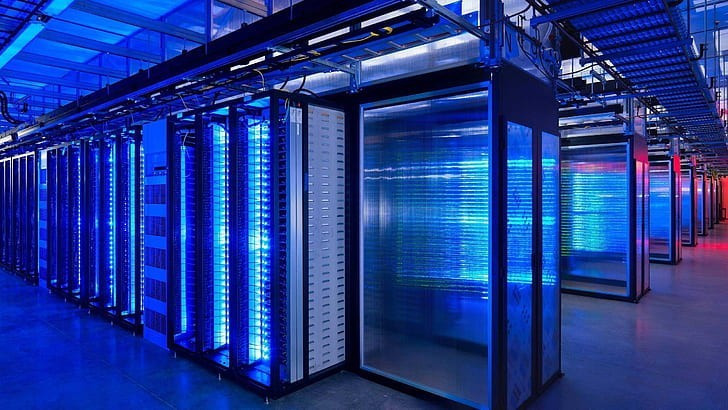
A recent joint survey by TechUK and the UK Environment Agency reveals that most commercial data centres in England actually consume surprisingly little water—about 64% use under 10,000 m³ annually, which is less than what a typical leisure centre would use, such as a swimming pool complex or sports facility. Only a small fraction—around 4–5%—exceed 100,000 m³, which is more akin to heavy industrial usage. The study credits widespread adoption of advanced cooling technologies—like waterless and closed-loop systems—with this efficiency gain, with over half using waterless cooling and nearly 90% no longer needing to monitor water use due to closed-loop setups. Leaders from both techUK and the Environment Agency emphasize the importance of planning and policy that support both economic growth and sustainable resource use.
Sources: Capacity Media, IT Pro, TechRadar
Key Takeaways
– Most English data centres now use far less water than expected—comparable to leisure centres—thanks to newer, more efficient cooling methods.
– Advanced infrastructure, such as waterless and closed-loop cooling, has significantly reduced the water footprint of the sector.
– Thoughtful planning and policy—including tools like a “water exploitation index”—are vital to balancing digital growth and environmental stewardship.
In-Depth
Despite widespread concern about the environmental impact of our ever-expanding digital infrastructure, the latest data from England suggests a more balanced outlook.
A survey by TechUK in partnership with the Environment Agency shows that most commercial data centres actually use less water than many might expect—lower, in fact, than the average leisure centre, such as a gym or swimming complex. This shift is no accident.
Forward-looking operators are deploying smarter cooling solutions—closed-loop and waterless systems—that drastically reduce, or even eliminate, water use. Over half of surveyed sites now rely on waterless cooling, and nearly nine in ten operate on closed-loop systems that recycle their cooling medium. Such innovations demonstrate that economic progress doesn’t have to come at the expense of resource conservation.
Still, the path forward requires prudence: policymakers and industry leaders must collaborate to ensure that future data centre expansion aligns with regional water availability. TechUK recommends tools like a “water exploitation index” to help guide development, while the Environment Agency emphasizes safeguarding water supplies for communities and ecosystems.
This approach is both responsible and forward-thinking: it recognizes the importance of digital infrastructure for economic resilience—especially in an AI-driven era—while insisting on sustainability that respects our shared water resources.