

The United States is on the verge of a significant shift in aviation as federal regulators move forward with testing programs for electric air taxis across 26 states, signaling the start of what many believe could become the next generation of transportation. The Federal Aviation Administration has approved eight pilot programs allowing companies developing electric vertical takeoff and landing aircraft to begin broader testing and limited operational demonstrations as early as summer 2026. These aircraft, designed to carry small groups of passengers quickly across congested urban areas, promise quieter, lower-emission alternatives to traditional helicopters while potentially transforming short-distance travel in major metropolitan regions. Leading aerospace startups and manufacturers—including companies developing aircraft for passenger transport, cargo delivery, emergency medical flights, and regional mobility—will participate in the initiative. The pilot programs are intended to allow regulators and industry leaders to test real-world operations, infrastructure requirements, and safety procedures before full certification of the aircraft and broader commercial rollout. While proponents argue the program could accelerate innovation and strengthen American leadership in emerging aviation technologies, the initiative also raises questions about regulatory oversight, airspace management, infrastructure investment, and how rapidly such futuristic transportation systems can realistically be deployed across American cities.
Sources
https://techcrunch.com/2026/03/09/electric-air-taxis-are-about-to-take-flight-in-26-states/
https://www.theregister.com/2026/03/10/evtol_pilot_26_states/
https://www.flyingmag.com/26-states-electric-aircraft-trials-summer/
https://www.technology.org/2026/03/10/electric-air-taxi-testing-26-us-states/
Key Takeaways
- Federal aviation regulators have approved eight pilot programs allowing electric air taxi testing and early operations across 26 U.S. states, marking a major milestone for the emerging advanced air mobility industry.
- Companies developing electric vertical takeoff and landing aircraft plan to test multiple use cases, including passenger transport, cargo delivery, emergency medical flights, and regional travel.
- The pilot programs aim to gather real-world operational data on safety, infrastructure, and airspace integration before regulators approve large-scale commercial deployment.
In-Depth
For decades, futuristic visions of airborne commuting have hovered somewhere between science fiction and marketing hype. Yet the United States now appears to be edging closer to making that concept a reality. Federal regulators have launched a sweeping initiative that will allow electric air taxi developers to conduct real-world testing across more than half the country, spanning 26 states and multiple metropolitan areas. The goal is straightforward: determine whether a new generation of electric aircraft can safely integrate into America’s already crowded airspace while offering a viable alternative to congested roads.
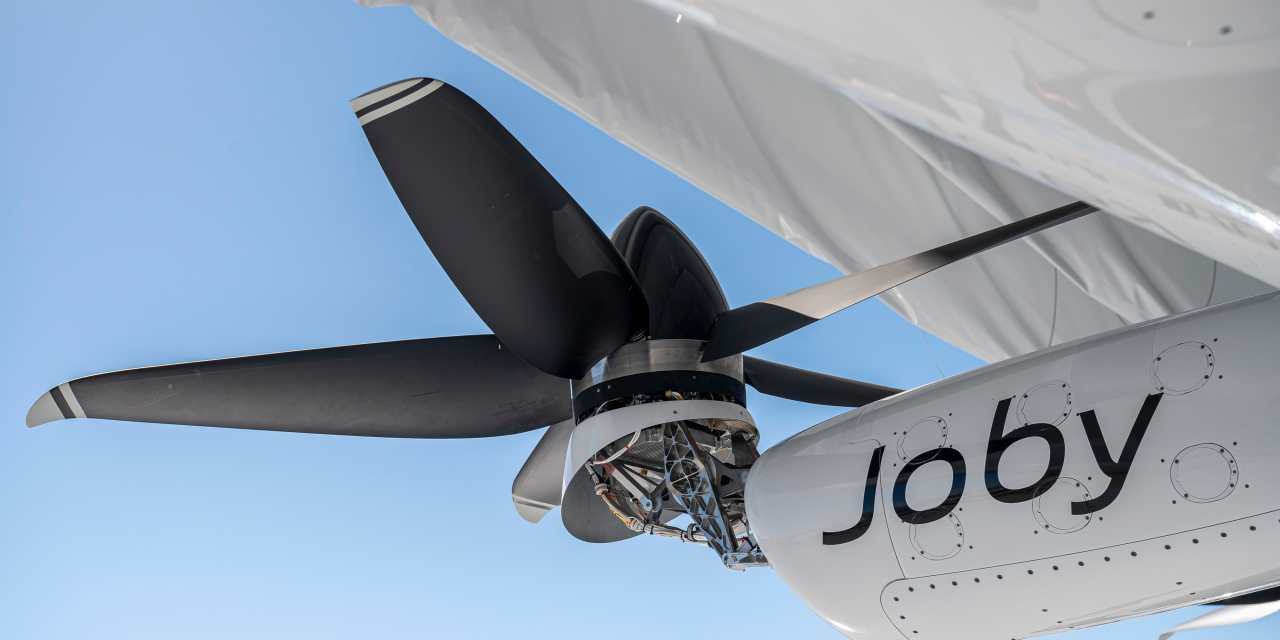
The aircraft at the center of this effort are known as electric vertical takeoff and landing vehicles, or eVTOLs. These machines resemble a hybrid between a helicopter and a small airplane, using multiple electric rotors to lift off vertically before transitioning into forward flight. Because they are powered by electricity rather than traditional jet fuel, manufacturers claim they produce far less noise and dramatically lower emissions than helicopters. That environmental argument has become a major selling point for advocates promoting urban air mobility as the next leap in transportation technology.
Under the federal pilot initiative, several companies will begin demonstrating how these aircraft might operate in real environments rather than isolated test flights. Developers will work alongside state governments, local transportation agencies, and infrastructure partners to simulate the early stages of a commercial air taxi ecosystem. These demonstrations will include short-distance passenger flights, regional transport routes between cities, emergency response operations, and cargo delivery missions. The idea is to see how the aircraft interact with air traffic control systems, how passengers would board and depart, and what types of infrastructure—often called “vertiports”—will be required to support the service.
The participating companies represent some of the most heavily funded startups in the advanced aviation sector. Several manufacturers have already conducted demonstration flights or prototype operations, but they have largely been restricted to controlled environments. The new pilot programs expand those efforts by allowing broader operational testing under the supervision of regulators. For the companies involved, the program provides a critical pathway toward full certification, which remains the biggest hurdle before commercial service can begin.
Supporters of the initiative argue that the United States must move quickly if it hopes to remain a leader in next-generation aviation technologies. Several countries and global cities have already begun experimenting with air taxi concepts, and international competition in this sector is intensifying. By launching these pilot programs, federal officials appear to be signaling that Washington intends to support the industry’s development rather than allow it to migrate overseas.
Still, enthusiasm for airborne commuting must be tempered by practical realities. Airspace in major American cities is already tightly controlled, and integrating hundreds or even thousands of small electric aircraft into that system will require sophisticated coordination and oversight. Safety certification, pilot training, battery reliability, and infrastructure development all remain unresolved challenges. Even advocates acknowledge that widespread adoption could take years or even decades.
Nevertheless, the pilot program marks a turning point. For the first time, electric air taxi technology will be tested at a scale that resembles the beginnings of a commercial network. If the trials succeed, the idea of summoning a short flight across a city—once a futuristic fantasy—may slowly transition into an everyday transportation option for Americans living in crowded urban regions.