

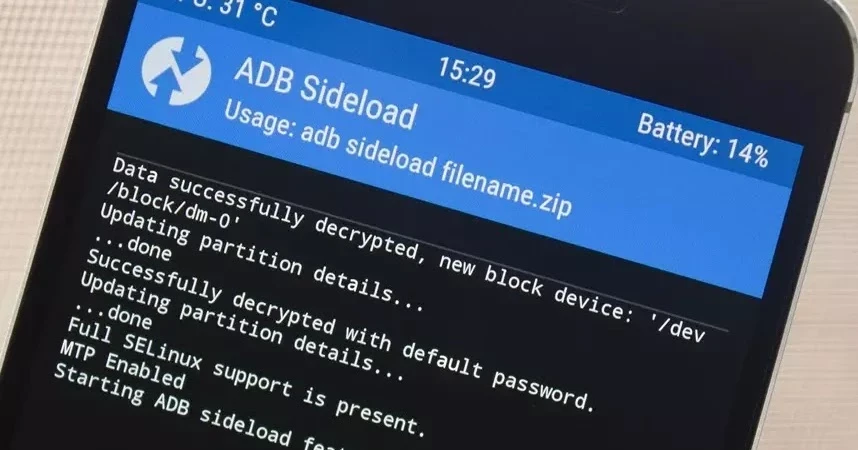
F-Droid is publicly pushing back against Google‘s upcoming changes that would require developers to register and verify their identities before distributing apps—even via sideloading—and is calling on regulators in the U.S. and EU to investigate what it calls an anti-competitive move that could effectively kill third-party app stores. Google defends the plan as a security measure, claiming it will reduce the spread of malware, but F-Droid argues that it undermines user choice and consolidates control over Android apps. The debate raises fundamental questions about openness, competition, and who gets to police what users can install.
Sources: ARS Technica, GHacks
Key Takeaways
– F-Droid warns that Google’s new developer verification rules would force independents to relinquish control of app identifiers and effectively extinguish alternative app stores.
– Google claims the move is about security and curbing malware, but critics point out that malicious apps have been distributed through the Play Store itself, which raises doubts about the rationale.
– At stake is whether Android will drift toward a more locked-down, Apple-style model—reducing user choice and raising regulatory scrutiny over market power.
In-Depth
Google’s proposal to require identity-verified developer registration for any Android app (even when sideloaded) has triggered a strong reaction from F-Droid, the long-standing open source app repository that enables Android users to install apps outside the Play Store. Under Google’s announced changes, Android devices certified by Google would refuse to install or update apps unless the developer is registered and tied to the app identifier, giving Google de facto gatekeeping power over the entire app ecosystem.
F-Droid argues this is incompatible with how it operates: it cannot force individual developers to register with Google—and it cannot hijack or take over the application identifiers for open source apps, which would violate the developer’s ownership. As F-Droid’s board member Marc Prud’hommeaux put it, if Google’s “developer registration decree” is enforced, it would effectively “end the F-Droid project … and other free/open source app distribution sources as we know them today.” Critics see this as an effort to consolidate distribution power and shrink Android’s openness, pushing the platform closer to the closed model Apple enforces.
On the other side, Google insists the requirement is about protecting users from malware and bad actors. The company claims that sideloaded apps are far more likely to carry malicious code, and that requiring verifiable identities will increase accountability and safety. Yet critics point out significant examples of malware slipping through the Play Store’s curation filters, and argue that requiring all developers to register with Google could suppress innovation, limit competition, and chill smaller developers or hobbyists who rely on alternative distribution paths.
Because Android’s strength has long been its flexibility, including the ability to sideload apps and use alternative app stores, the proposed changes raise broader questions about consumer freedom. Will users still be able to run software of their choosing? Will independent developers still have a path to distribution? If the future version of Android becomes more locked down, it may force regulators to weigh in on whether Google is abusing its dominant position. In response, F-Droid is calling on governments in the U.S., EU, and elsewhere to open investigations, while encouraging developers and users to pressure their representatives to protect open app ecosystems.