

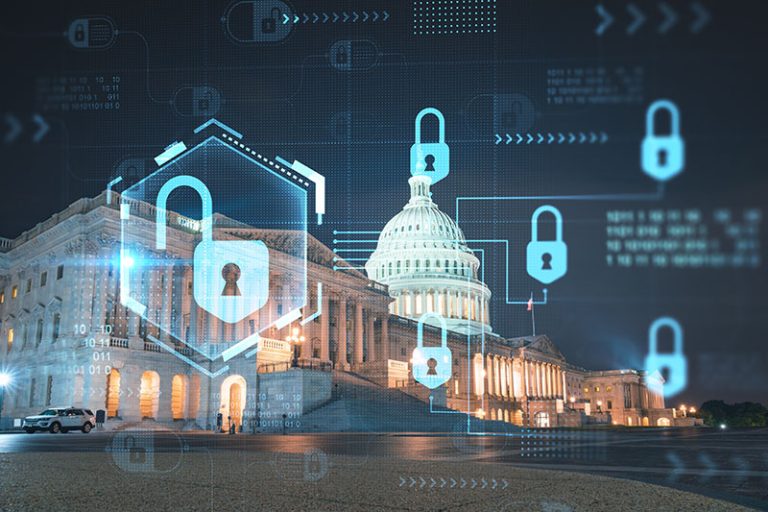
Experts are increasingly warning that U.S. federal cybersecurity defenses are weakening due to an expiration of critical authorities, staff cuts, and recent government shutdown impacts, leaving the nation more vulnerable to hacks and systemic weaknesses. A recent WIRED analysis reports that staffing at the Cybersecurity and Infrastructure Security Agency (CISA) has plunged, with key personnel and institutional continuity lost, even as high-profile breaches during a prolonged shutdown underscore the risk of attack surface erosion; insiders warn that piecemeal progress on basic digital defenses could be reversed without sustained investment. Coverage from the World Economic Forum notes that the Cybersecurity Information Sharing Act of 2015 expired amid budget impasses, removing a statutory framework for sharing threat intelligence between government and private partners. Meanwhile, industry and government reporting highlights that lapsed information-sharing authorities are already inhibiting cooperative defenses, especially in critical infrastructure sectors like utilities, which argue that the lack of legal clarity and expired protections will make coordinated mitigation of threats more difficult going forward. Despite these growing risks, policymakers have yet to fully address the legislative and resourcing gaps, raising concerns among cybersecurity practitioners and national security observers about the resilience of U.S. networks against state and non-state adversaries.
Sources:
https://www.wired.com/story/expired-tired-wired-federal-cybersecurity/
https://www.weforum.org/stories/2025/10/key-us-cyber-law-expire-cybersecurity-news/
https://www.utilitydive.com/news/as-cyber-threats-grow-utilities-say-lapsed-information-sharing-law-stymies/803189/
Key Takeaways
- Federal cybersecurity readiness is under strain due to staffing reductions, lost expertise, and organizational instability, potentially undermining earlier progress in digital defense.
- The expiration of the Cybersecurity Information Sharing Act of 2015 has removed an important legal mechanism for threat information exchange, creating uncertainty for public-private cooperation.
- Critical sectors, including utilities, report that lapsed law and diminished federal collaboration increase operational risk as cyber threats continue to grow more sophisticated.
In-Depth
The United States is at a precarious juncture with respect to its federal cybersecurity posture, as a confluence of factors signal a potential step backward in national digital defenses. According to a recent WIRED report, the federal Cybersecurity and Infrastructure Security Agency (CISA), tasked with safeguarding critical networks and coordinating responses to cyber incidents, has experienced significant personnel losses and an erosion of institutional capabilities. Staffing cuts exceeding one-third of its workforce have left mission areas understaffed at a time when proactive monitoring and defense are essential, not optional. These resource challenges were exacerbated by a government shutdown, during which essential cybersecurity operations were disrupted and even the Congressional Budget Office fell victim to a suspected foreign hack—a stark reminder that “routine” maintenance and vigilance are cornerstones of effective defense.
Compounding structural weaknesses is the recent expiration of the Cybersecurity Information Sharing Act of 2015, which provided liability protections and a framework for sharing threat indicators between government agencies and private sector partners. Without this statutory foundation, information sharing is legally and operationally less certain, leaving utilities and other critical infrastructure sectors particularly exposed. Representatives from the electric and operational technology sectors have publicly stated that the lapse has “stymied” cyber defense cooperation, weakening their ability to detect and mitigate attacks in near real time.
Taken together, these developments illustrate a broader trend in which legal authorities, funding, and human capital constraints intersect to create systemic vulnerabilities. Absent swift legislative action and strategic investment, the U.S. risks ceding ground to adversaries in cyberspace at precisely the moment when digital threats are intensifying.