

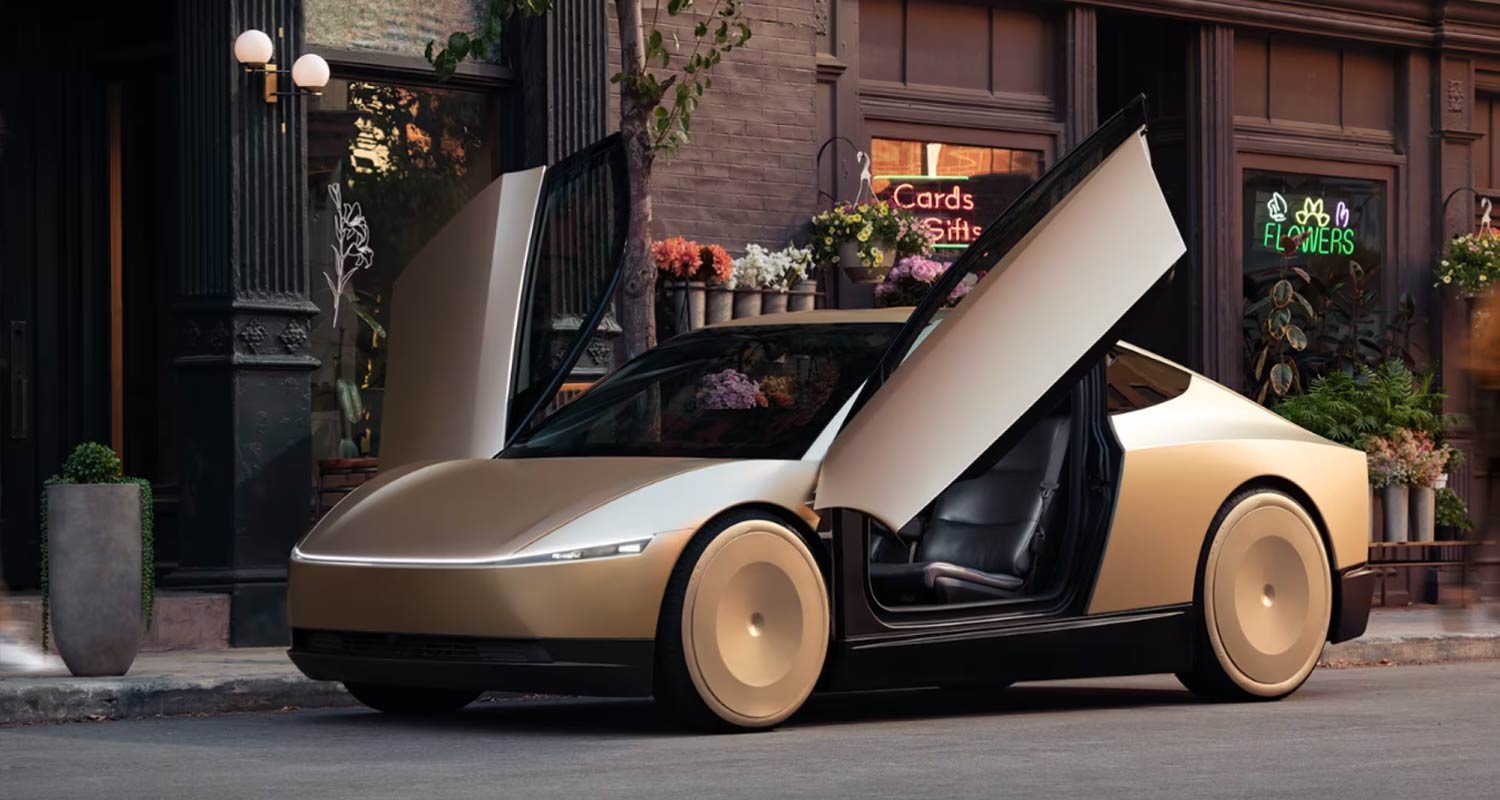
Federal regulators have opened an investigation into Tesla‘s self-certification of its new Cybercab after the company began commercial operations in Austin, Texas. The two-seat autonomous vehicle is designed without conventional human controls, including a steering wheel, brake pedal, accelerator pedal, and traditional mirrors, raising the question of whether it complies with existing Federal Motor Vehicle Safety Standards. Tesla maintains that the Cybercab satisfies all standards applicable to its design, while regulators are examining the technical data and reasoning behind that determination. The dispute arrives as Washington is already rewriting vehicle-safety regulations to accommodate purpose-built autonomous vehicles, creating a consequential test of how rapidly innovation can proceed while existing federal law remains in force.
Key Takeaways
- Federal regulators are auditing Tesla’s decision to self-certify the Cybercab as compliant with federal safety standards despite its lack of a steering wheel, pedals, and conventional mirrors.
- Tesla launched commercial Cybercab operations in Austin without first obtaining the type of federal exemption available for vehicles that do not satisfy conventional equipment requirements, making the company’s interpretation of existing standards central to the investigation.
- The case could establish an important regulatory precedent for autonomous vehicles because federal officials are simultaneously rewriting outdated safety standards while insisting that existing requirements remain enforceable until those revisions are completed.
In-Depth
Federal regulators have opened an audit into Tesla’s self-certification of the Cybercab, placing the company’s autonomous-taxi rollout under immediate scrutiny. The central question is straightforward: can a vehicle without a steering wheel, brake pedal, accelerator pedal, or conventional mirrors satisfy federal safety standards that were largely written for human-driven automobiles?
Tesla began commercial Cybercab service in Austin, Texas, before seeking a special federal exemption. Automakers ordinarily self-certify compliance with Federal Motor Vehicle Safety Standards, but regulators retain authority to investigate those certifications. The government is now examining the technical data and legal reasoning Tesla used, including whether the company concluded that particular requirements simply do not apply to a purpose-built autonomous vehicle.
The dispute highlights a broader problem confronting Washington. Automotive technology is advancing faster than the regulatory framework governing it. Federal officials are already working to revise several standards involving equipment such as brake pedals, mirrors, lighting, and windshield wipers. Until those revisions are completed, however, existing rules remain legally operative.
That distinction matters. Deregulation can encourage American innovation, but orderly deregulation requires changing outdated rules rather than allowing individual companies to decide unilaterally which rules no longer matter. Tesla may ultimately demonstrate that its interpretation is sound. If it cannot, regulators could require changes, an exemption, or other corrective action before a larger rollout proceeds.
The outcome could reach far beyond Tesla. A definitive federal position on vehicles designed without human controls will help determine how quickly autonomous transportation expands and what compliance pathway manufacturers must follow nationwide.
Sources
- https://www.nhtsa.gov/press-releases/investigation-tesla-cybercab-self-certification
- https://www.reuters.com/business/autos-transportation/us-auto-safety-regulator-opens-probe-into-nearly-1000-tesla-cybercabs-2026-09-04/
- https://apnews.com/article/tesla-regulators-musk-cybercabs-austin-self-driving-steering-wheel-2228b6499d46c79169672f874e67eef1
- https://techcrunch.com/2026/09/04/feds-launch-investigation-into-teslas-cybercab-deployment/