

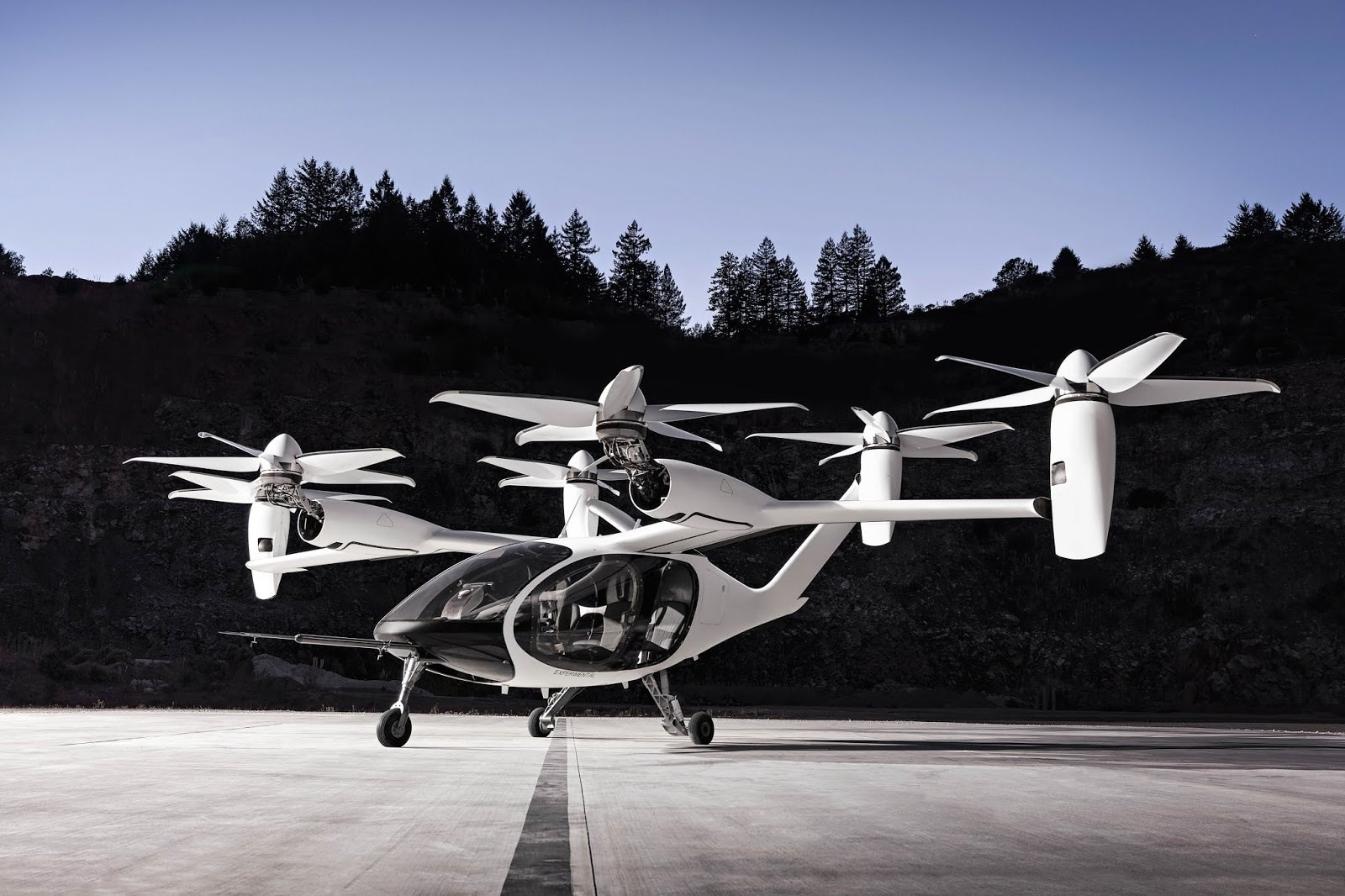
A high-stakes legal fight has erupted in the emerging electric air-taxi industry after Archer Aviation filed a countersuit accusing rival Joby Aviation of concealing its reliance on Chinese suppliers and misleading U.S. regulators in order to gain a competitive advantage in government funding and regulatory approvals. The allegations surfaced in federal court filings as part of an escalating dispute between the two Silicon Valley startups, both racing to bring electric vertical take-off-and-landing aircraft to market. Archer claims Joby and its partners imported large quantities of Chinese-origin aircraft components while presenting itself as a largely domestic manufacturer, potentially influencing federal grants, regulatory treatment, and investor perception. The countersuit also alleges tariff-evasion tactics through misclassification of imported goods and argues that the alleged supply-chain ties undermine claims that Joby’s aircraft are primarily American-built. Joby has rejected the accusations, calling them baseless and pointing to its own earlier lawsuit accusing Archer of stealing trade secrets from a former employee. The intensifying courtroom clash highlights the enormous stakes in the race to dominate the futuristic urban air-mobility sector, a market many analysts believe could grow into a multibillion-dollar industry over the coming decades.
Sources
https://www.theepochtimes.com/business/archer-accuses-flyingtaxi-rival-joby-of-depending-on-chinese-suppliers-5996216
https://www.reuters.com/world/asia-pacific/air-taxi-maker-archer-accuses-rival-joby-illegal-china-ties-2026-03-10
https://techcrunch.com/2026/03/09/electric-air-taxi-maker-archer-hits-back-at-joby-in-countersuit-alleging-concealed-chinese-ties/
https://www.aerospaceglobalnews.com/news/archer-joby-lawsuit-china-evtol/
Key Takeaways
- Archer Aviation has accused Joby Aviation in federal court of hiding reliance on Chinese suppliers while presenting itself as an American-manufactured aviation company.
- The legal battle stems from an earlier lawsuit by Joby alleging trade-secret theft, turning a technology dispute into a broader conflict involving supply chains, government funding, and regulatory transparency.
- The outcome could affect federal contracts, investor confidence, and the future competitive landscape of the rapidly developing electric air-taxi market.
In-Depth
The legal conflict between Archer Aviation and Joby Aviation represents more than a corporate rivalry; it underscores the geopolitical and economic tensions surrounding the next generation of aerospace technology. Electric vertical take-off-and-landing aircraft, often described as flying taxis, are widely viewed as a potential revolution in urban transportation. But as the industry moves from concept to commercialization, intense competition for capital, government backing, and regulatory approval has made the stakes extraordinarily high.
Archer’s countersuit alleges that Joby relied heavily on Chinese suppliers for critical aircraft components while simultaneously promoting itself to regulators, investors, and government agencies as an American-manufactured aerospace company. According to the court filings, Archer claims the alleged supply chain links may have helped Joby obtain favorable regulatory treatment or access to federal funding programs intended to support domestic technology development. The allegations also include claims that certain imported materials were misclassified in ways that could obscure their true origin.
Joby strongly disputes the accusations, calling them unfounded and pointing out that the dispute originated when the company sued Archer over alleged trade-secret theft involving a former employee. That earlier case set the stage for a bitter courtroom fight between two companies that once operated in the same tight-knit Silicon Valley aerospace ecosystem.
The dispute is unfolding at a pivotal moment for the urban air-mobility industry. Both companies are working to certify aircraft with federal regulators and secure partnerships with airlines, city governments, and transportation networks. The first commercial deployments of electric air taxis could arrive within the next several years, potentially transforming short-distance urban travel by offering fast, low-emission alternatives to congested roads.
Yet the lawsuit also highlights broader concerns about supply-chain security and technological independence. As policymakers in Washington increasingly scrutinize dependence on Chinese manufacturing in strategic industries, the allegations—whether ultimately proven or not—reflect a growing political sensitivity around where advanced aerospace technology is built.
For investors, regulators, and policymakers alike, the outcome of this dispute could shape not only the reputations of two ambitious startups but also the trajectory of an entire sector that hopes to redefine how people move through cities in the decades ahead.