

Close Menu

    Subscribe to Updates

    Get the latest creative news from FooBar about art, design and business.

    What's Hot

    SpaceX Postpones 2026 Mars Mission Citing Strategic Distraction

    January 12, 2026

    Wearable Health Tech Could Create Over 1 Million Tons of E-Waste by 2050

    January 12, 2026

    Viral Reddit Food Delivery Fraud Claim Debunked as AI Hoax

    January 12, 2026
    Facebook X (Twitter) Instagram
    • Tech
    • AI News
    Facebook X (Twitter) Instagram Pinterest VKontakte
    TallwireTallwire
    • Tech

      Wearable Health Tech Could Create Over 1 Million Tons of E-Waste by 2050

      January 12, 2026

      Viral Reddit Food Delivery Fraud Claim Debunked as AI Hoax

      January 12, 2026

      Activist Erases Three White Supremacist Websites onstage at German Cybersecurity Conference

      January 12, 2026

      AI Adoption Leaders Pull Ahead, Leaving Others Behind

      January 11, 2026

      Elon Musk’s xAI Secures $20 Billion Funding to Power AI Expansion

      January 11, 2026
    • AI News
    TallwireTallwire
    Home»Tech»Gen Z Pushback: Young People Drawing the Line on Smart-Glass Surveillance
    Tech

    Gen Z Pushback: Young People Drawing the Line on Smart-Glass Surveillance

    Updated:December 25, 20253 Mins Read
    Facebook Twitter Pinterest LinkedIn Tumblr Email
    Gen Z Pushback: Young People Drawing the Line on Smart-Glass Surveillance
    Gen Z Pushback: Young People Drawing the Line on Smart-Glass Surveillance
    Share
    Facebook Twitter LinkedIn Pinterest Email

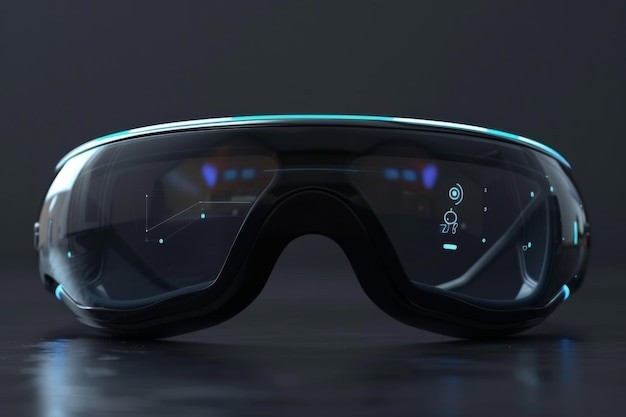
    In a recent Washington Post feature, Gen Z’s growing discomfort with smart glasses—such as Meta’s Ray‑Ban models—has come into sharp focus. A TikTok incident, where a young person exposed how easily such glasses could record people without warning, went viral and crystallized the backlash against seemingly hands‑free surveillance. Unlike earlier generations more comfortable with perpetual sharing, Gen Z is demanding clearer privacy norms and stronger consent protocols, pushing back on tech industry assumptions about convenience trumping rights.

    Sources: Washington Post, Cybersecurity Advisors Network

    Key Takeaways

    – Gen Z’s demand for consent: Unlike previous generations, Gen Z is signaling that the long‑assumed trade‑off of convenience over privacy is no longer acceptable.

    – Technology outpacing ethics: Incidents like doxxing via smart glasses and inappropriate recording in social contexts highlight the need for clearer privacy standards.

    – Regulation lagging behind innovation: While tech arms race continues, legal and ethical frameworks (including consent laws) struggle to catch up with real‑world misuse.

    In-Depth

    Gen Z is quietly but firmly drawing the line when it comes to their digital privacy—especially in public spaces. Not too long ago, they were portrayed as the oversharers, the generation content to broadcast every coffee run or outfit. But the rise of smart glasses—particularly models like Meta’s Ray‑Bans with subtle cameras—has revived a conversation about boundaries and surveillance. A TikTok video showing how someone could be filmed without knowing it (thanks to a poorly visible recording indicator) went viral and triggered an outcry from Gen Z users who’ve been living their entire lives under a digital microscope.

    This backlash isn’t just generational griping. Security experts warn that smart glasses blur the line between public and private in unprecedented ways. Conversations on a park bench, quick-run errands, or even moments most of us wouldn’t broadcast can now be recorded, analyzed, and shared—potentially without ever getting consent.

     Compounding the concern, a real-world proof‑of‑concept from two Harvard students shows just how vulnerable we are: they rigged smart glasses to conduct facial recognition and retrieve full personal profiles from public data, completing what they called “I‑XRAY.” What was billed as academic demonstration quickly demonstrates real risks.

    There’s no moral objection to innovation—on the contrary, new tech can bring real benefits. But where innovation touches civil liberties, especially surveillance, we must tread carefully. Legislation and industry standards should require transparency and respect for consent—especially when devices are worn nearly invisibly. As smart glasses proliferate, setting robust guardrails is not anti-innovation—it’s a prudent step to ensure innovation doesn’t shortcut our expectations of personal privacy.

    spotlight
    Share. Facebook Twitter Pinterest LinkedIn Tumblr Email
    Previous ArticleGemini for Home: Google Assistant to Be Replaced in Smart Homes Beginning October
    Next Article Generative AI–Fueled Cyberattacks Surge as Defenses Lag Behind

    Related Posts

    Wearable Health Tech Could Create Over 1 Million Tons of E-Waste by 2050

    January 12, 2026

    Viral Reddit Food Delivery Fraud Claim Debunked as AI Hoax

    January 12, 2026

    Activist Erases Three White Supremacist Websites onstage at German Cybersecurity Conference

    January 12, 2026

    AI Adoption Leaders Pull Ahead, Leaving Others Behind

    January 11, 2026
    Add A Comment
    Leave A Reply Cancel Reply

    Editors Picks

    Wearable Health Tech Could Create Over 1 Million Tons of E-Waste by 2050

    January 12, 2026

    Viral Reddit Food Delivery Fraud Claim Debunked as AI Hoax

    January 12, 2026

    Activist Erases Three White Supremacist Websites onstage at German Cybersecurity Conference

    January 12, 2026

    AI Adoption Leaders Pull Ahead, Leaving Others Behind

    January 11, 2026
    Top Reviews
    Tallwire
    Facebook X (Twitter) Instagram Pinterest YouTube
    • Tech
    • AI News
    © 2026 Tallwire. Optimized by ARMOUR Digital Marketing Agency.

    Type above and press Enter to search. Press Esc to cancel.