

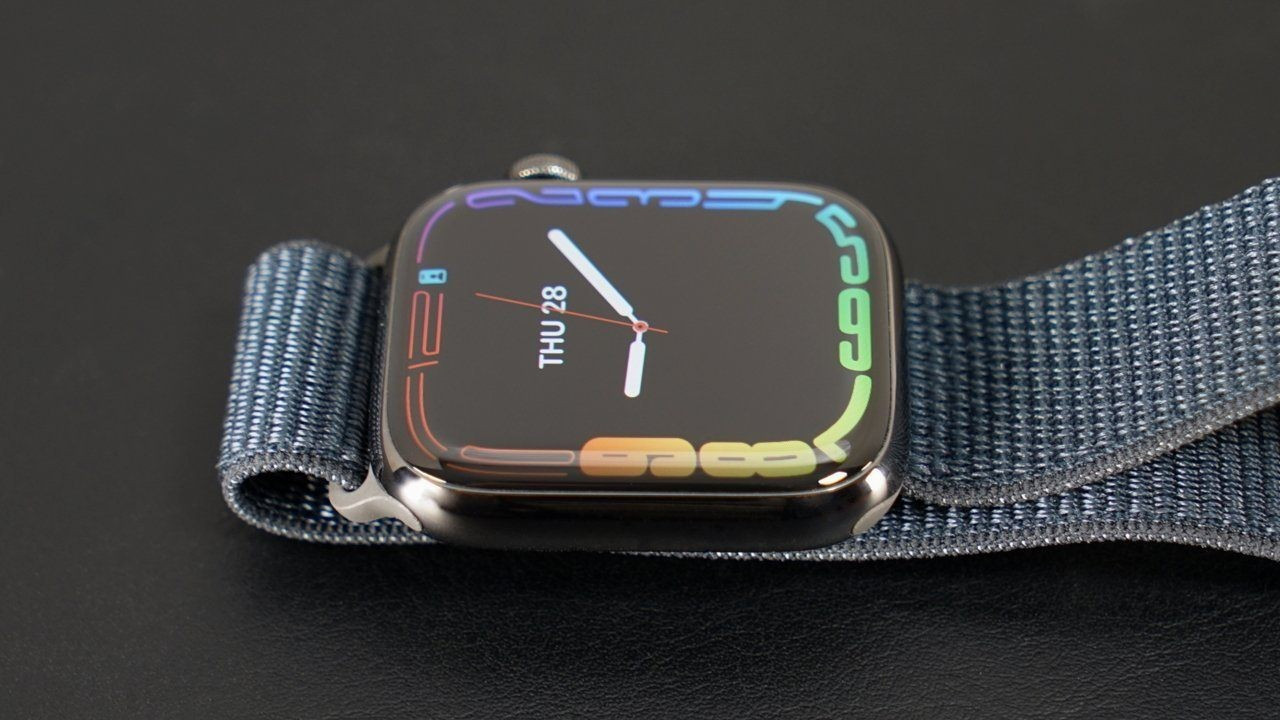
A regional court in Frankfurt, Germany, ruled on August 26, 2025, that Apple may no longer advertise its Apple Watch Series 9 or Series 10 as “carbon-neutral,” concluding that the company’s reliance on carbon offsets—specifically eucalyptus plantations in Paraguay—was misleading because 75 percent of the project area is leased only until 2029 with no guarantee of renewal. The court found this practice breached competition law and consumer expectations shaped by climate commitments like the Paris Agreement. Apple continues to defend its overall climate strategy, citing supply-chain decarbonization and renewable energy use, but it may phase out the label in anticipation of strict EU rules set for 2026. Environmental group Deutsche Umwelthilfe, which brought the case, celebrated the ruling as a major stand against corporate greenwashing and the ecological shortcomings of short-term carbon offsets.
Sources: Reuters, Trellis, TechCrunch
Key Takeaways
– The Frankfurt court said Apple’s claim of “carbon-neutral” watches was misleading because its carbon offset project lacks long-term guarantees beyond 2029.
– Apple highlights progress in renewable energy, material efficiency, and supply-chain emissions reductions, but faces stricter EU rules beginning in 2026.
– Environmental groups praised the ruling, warning against the overreliance on carbon offsets and calling for more transparency in corporate climate claims.
In-Depth
The Frankfurt court’s decision against Apple marks a turning point in how corporate environmental claims are evaluated in Europe. At issue was Apple’s assertion that its latest Apple Watch models were “carbon-neutral.” The court found this misleading because the claim relied heavily on a Paraguayan eucalyptus plantation offset project, 75 percent of which is leased only until 2029. With no assurance of long-term permanence, the project fell short of consumer expectations for climate responsibility, particularly given the benchmarks of the Paris Agreement.
For Apple, the ruling is a setback to a marketing approach central to its sustainability branding. The company has made genuine strides—adopting renewable energy for manufacturing, improving product recycling, and pledging to decarbonize its supply chain by 2030. Yet the court concluded that these efforts do not justify labeling specific products as “carbon-neutral” when the offsets underpinning the claim may prove temporary.
Deutsche Umwelthilfe, the environmental group behind the lawsuit, hailed the ruling as a strong blow against corporate greenwashing. Critics of carbon offsets argue that temporary forestry projects often fail to deliver reliable, long-term carbon sequestration and can even harm local ecosystems.
With the European Union introducing stricter climate labeling rules in 2026, Apple is expected to scale back or retire its carbon-neutral product claims. The broader message is clear: sustainability marketing must be backed by long-term, verifiable actions—not symbolic badges that risk misleading consumers.