

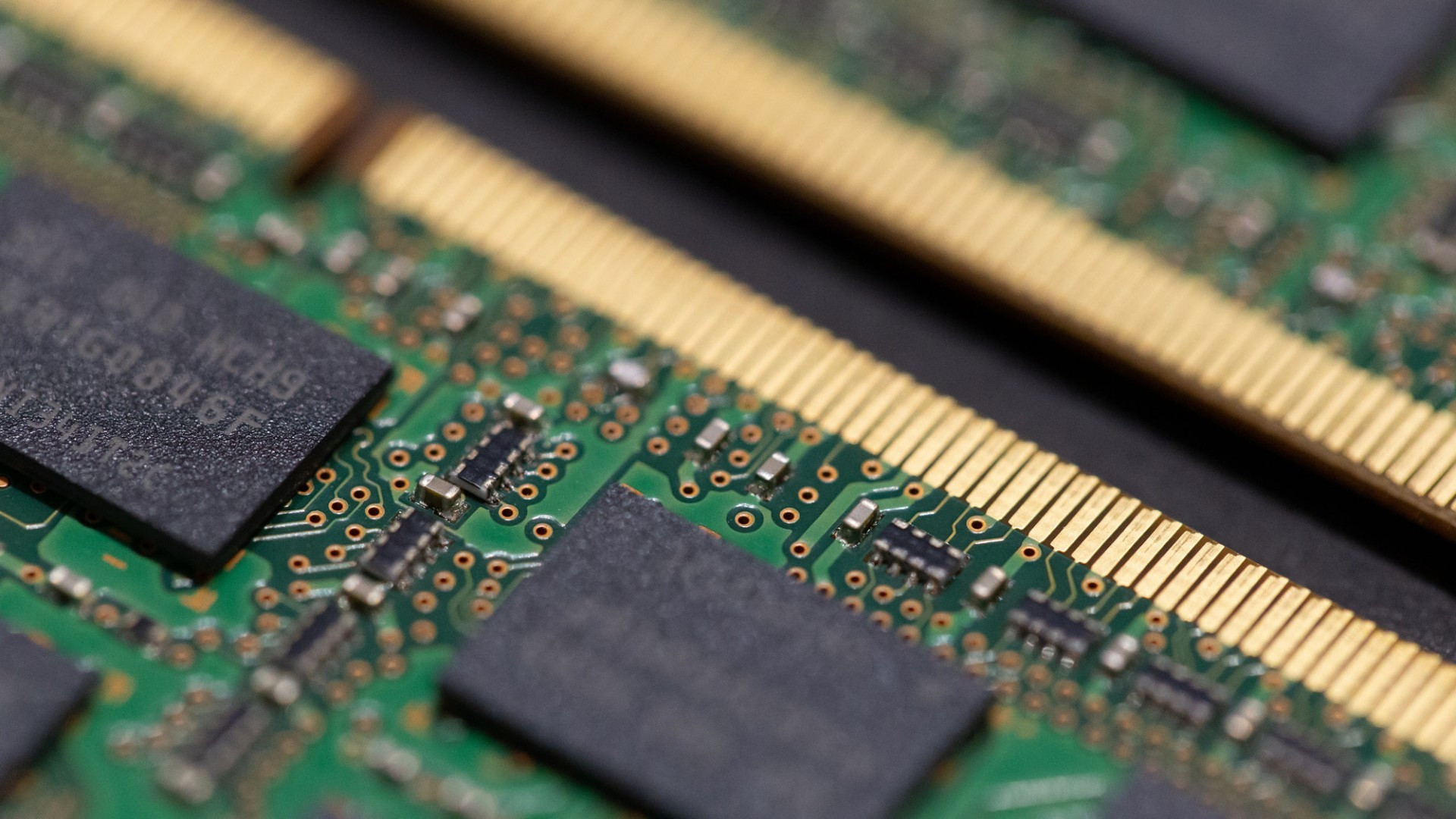
The worldwide shortage of RAM (random-access memory) and other key memory chips is worsening in 2026 as demand from artificial intelligence infrastructure and data centers outpaces supply, driving up prices for consumer devices and slowing product rollouts; major industry observers note that memory prices have surged sharply, forcing companies to reconsider production plans and prompting analysts to warn that smartphones, laptops, gaming gear, and other electronics could cost significantly more or ship with lower specifications as the imbalance between AI memory demand and traditional memory production persists through 2026 and beyond.
Sources
https://www.theverge.com/tech/880812/ramageddon-ram-shortage-memory-crisis-price-2026-phones-laptops
https://spectrum.ieee.org/ram-shortage-price-increase
https://www.tomsguide.com/computing/ram-price-crisis-2026-everything-you-need-to-know
Key Takeaways
• Global memory chip supply is tightening in 2026, with prices for DRAM and related chips surging due to strong demand, particularly from AI data centers, affecting consumer electronics pricing.
• Analysts and OEMs are warning that the cost of building devices like phones and laptops will rise, and some manufacturers may adjust specifications or seek alternative suppliers to mitigate price pressures.
• The memory shortage reflects a structural shift in the industry toward prioritizing high-margin components for AI infrastructure, meaning relief from price inflation may not come until later in the decade.
In-Depth
In 2026, the global semiconductor memory market is facing a significant supply challenge that is reverberating through the broader consumer technology industry. RAM chips, particularly dynamic random-access memory (DRAM), are in tight supply as manufacturers shift production capacity toward high-bandwidth memory (HBM) used in AI data centers and other advanced computing applications. As a result, memory prices have climbed sharply in recent months and are expected to continue rising, directly affecting the cost structure of common consumer devices. Manufacturers like those of laptops, smartphones, and gaming consoles are feeling the pressure as the essential memory components become more expensive or harder to source.
The surge in memory prices comes as data center operators and AI infrastructure builders compete aggressively for the same wafer capacity that used to be directed toward mainstream memory products. This structural demand imbalance means that traditional DRAM producers are prioritizing contracts with AI and enterprise customers that are willing to pay a premium, leaving less capacity for commodity memory modules. Analysts report that the resulting scarcity has pushed contract prices up dramatically, with rises of 90 percent or more in early 2026 projected for standard memory chips. The effect on consumers is straightforward: as memory represents a non-trivial portion of the bill of materials for phones and laptops, higher memory costs are flowing through to higher retail prices or reduced memory specifications in new devices.
Device makers are responding in various ways. Some are exploring alternative suppliers or memory technologies to reduce exposure to the pricing crisis, while others are considering product roadmaps that adjust feature sets to align with cost constraints. For example, increased memory costs may lead to manufacturers shipping devices with smaller memory configurations than previously offered or delaying upgrades that rely on newer memory modules. Analysts also point out that this situation is likely to persist, as building new fabrication capacity for conventional memory is capital-intensive and slow, meaning that even when new plants come online, memory supply constraints may not ease quickly. The global memory shortage thus represents a structural shift in the semiconductor landscape during an era of booming demand for compute power, altering the economics of consumer electronics for the near future.