

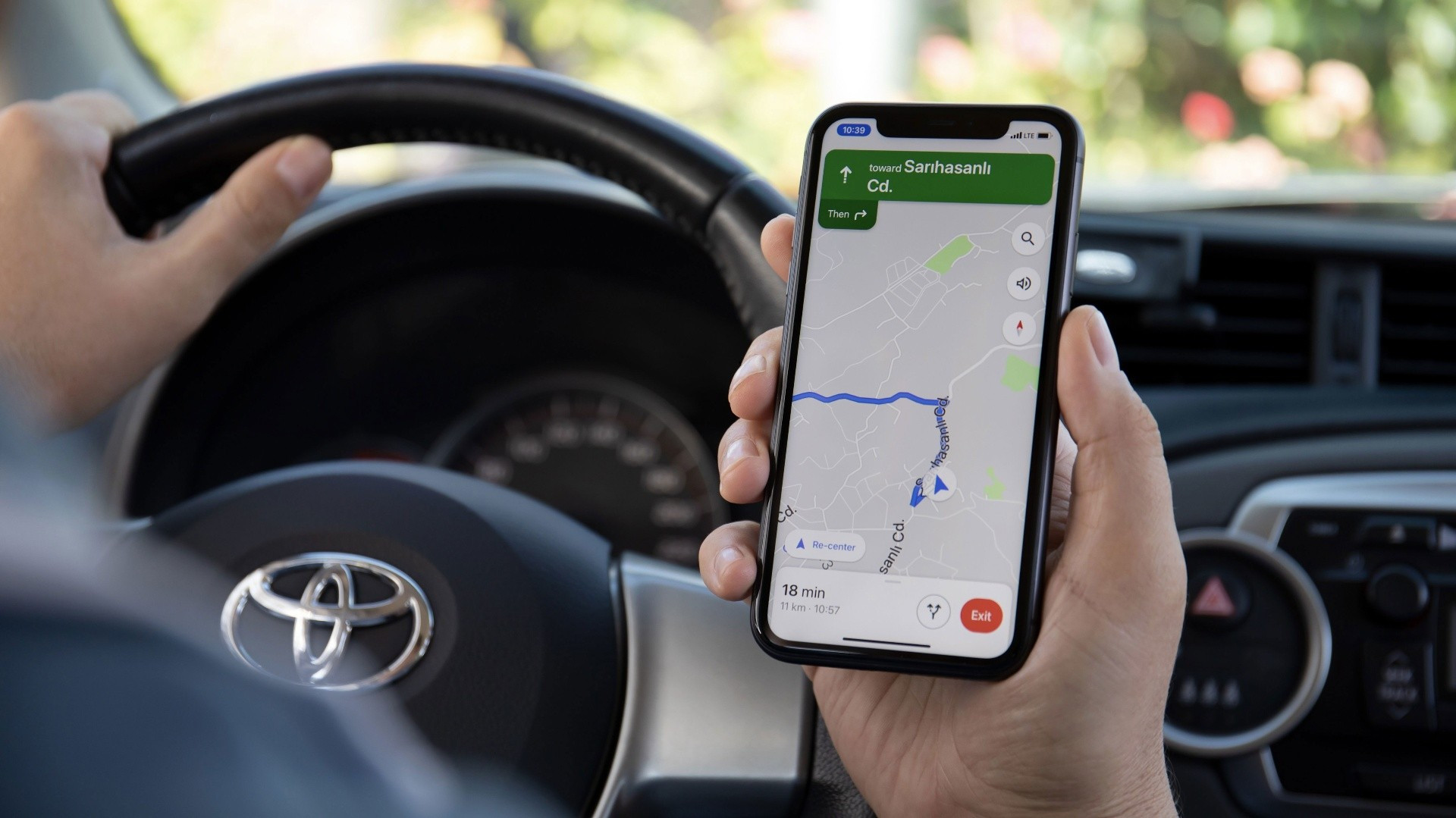
Google Maps has quietly added an automatic parking location detection feature that recognizes where you’ve parked and saves that spot for up to 48 hours on iOS devices, eliminating the manual step drivers often forget; it only works when your phone is connected to your car and currently is limited to iPhone users, with Android users continuing to rely on the old manual pin method, while broader navigation and voice-driven enhancements like Gemini integration remain part of Google Maps’ ongoing evolution.
Sources: Mac Rumors, Yahoo Tech
Key Takeaways
– The new automatic parking detection feature in Google Maps saves your parked location without manual input — a practical update many users will appreciate.
– Availability is currently limited to iOS devices when connected via USB, Bluetooth, or CarPlay, leaving Android users without parity for now.
– This update fits within Google Maps’ broader pattern of iterative navigation improvements, even as some legacy features have been deprecated in favor of AI-driven tools.
In-Depth
Google is quietly rolling out a feature to Google Maps that drivers have been asking for for years: automatic parking detection that saves your vehicle’s location without you having to remember to drop a pin. Previously, users had to manually mark a parking spot on the map — a step that many people simply forget until they’re wandering a lot longer than they should. With the latest update on iOS, once your phone is connected to your car via USB, Bluetooth, or Apple‘s CarPlay, Google Maps will recognize when you stop driving and drop a parking pin for you. That pin will stay on the map for up to 48 hours unless you drive again, in which case it disappears automatically. This hassle-saving update reflects a practical improvement that reduces friction for everyday navigation tasks, especially in busy urban environments where finding your car can be a real headache.
That said, there’s a catch: the automatic feature is rolling out first and, so far, only for iPhone users. Android users still have to rely on the traditional manual parking pin method, which has spurred complaints on Android-focused tech sites that Google seems to favor Apple in rolling out this kind of convenience first. Tech observers note that while Google Maps has introduced some useful new capabilities this year — including voice-driven navigation powered by Google’s Gemini AI and proactive traffic alerts — the company has also sunsetted some previous navigation tools, especially on the Android side. For example, the old Assistant-based Driving Mode has been removed in favor of newer interfaces, and some earlier integrated controls have been pared back. Against this backdrop, adding automatic parking detection makes sense: it’s a straightforward, low-friction quality-of-life improvement that drivers can immediately appreciate.
From a broader perspective, the new parking feature is part of Google’s ongoing effort to keep its mapping service competitive and user-friendly. While competitors like Apple Maps and Waze continue to innovate in different ways — Apple focusing on its own ecosystem and Waze leveraging community-driven alerts — Google’s approach here is more incremental. It builds on existing capabilities already familiar to millions of users by automating what had been a manual process. However, the unequal availability across platforms highlights a perennial tension in the mobile ecosystem: cross-platform tools often roll out unevenly, benefiting one group of users before another. For drivers entrenched in the Apple ecosystem, this update will feel like a long-overdue convenience. Android users will likely be eager to see when — or if — the same ease of use comes their way. In the meantime, the update underscores that even mature services like Google Maps can stilljuice up small enhancements that have real-world utility.