

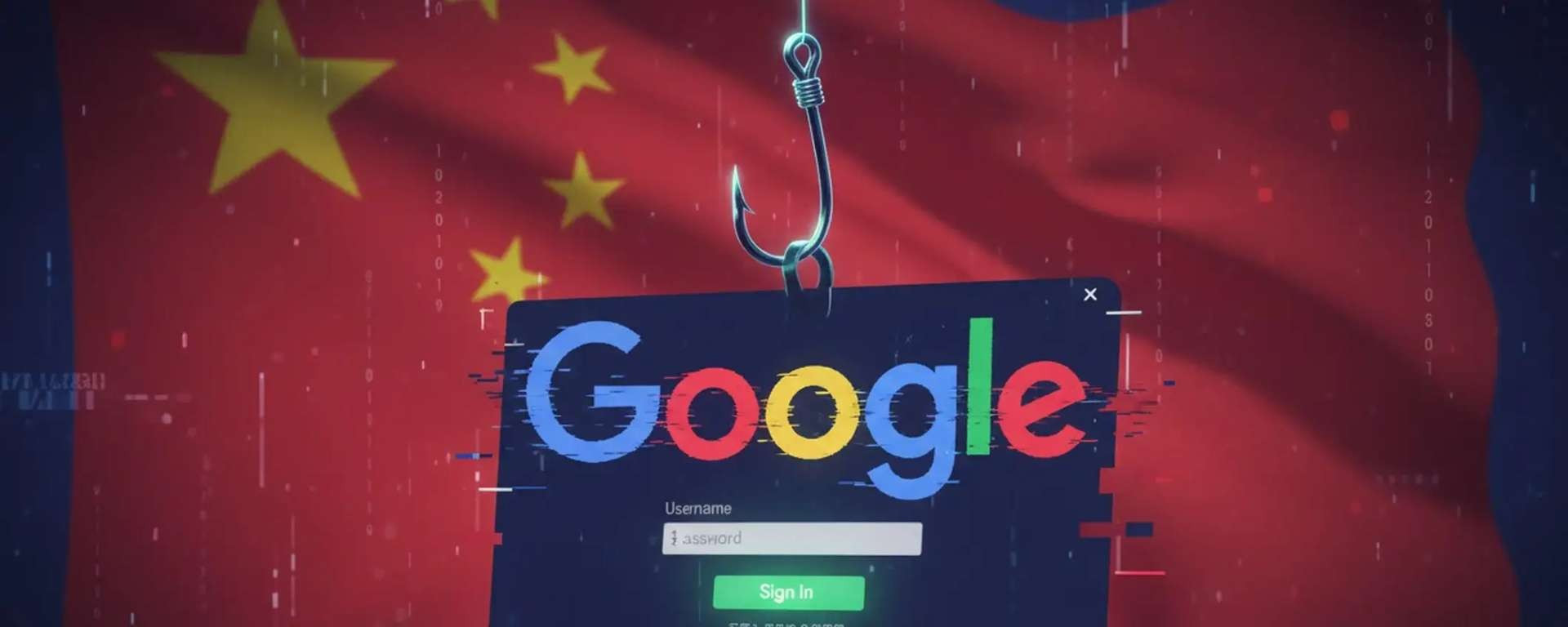
Google LLC has launched a coordinated legal and technological attack against what it describes as a large-scale international phishing-as-a-service (PhaaS) platform dubbed “Lighthouse,” filing a lawsuit in the U.S. Southern District of New York against 25 anonymous individuals believed to be based in China. According to Google, the operation deployed some 200,000 fake websites over a 20-day span, impersonated trusted brands such as the U.S. Postal Service and toll systems, targeted more than one million victims across 120 + countries and may have compromised anywhere from 12.7 million to 115 million U.S. credit cards. The lawsuit invokes U.S. laws including the Racketeer Influenced and Corrupt Organizations Act (RICO), the Lanham Act and the Computer Fraud and Abuse Act, and Google says it is working with web-hosting providers, legislators (endorsing bills such as the GUARD Act, SCAM Act and Foreign Robocall Elimination Act), and rolling out new AI-based defenses to dampen the threat. Experts caution, however, that while the move marks a significant escalation, the nature of PhaaS means similar operations will likely simply adapt or re-emerge unless end-users remain vigilant.
Key Takeaways
– Google’s legal strategy signals a shift: going on offense against phishing operations via litigation under RICO and other statutes, rather than relying solely on technology and takedowns.
– The scale of Lighthouse is massive, illustrating how the phishing-as-a-service model enables global reach, brand impersonation and credential theft on an industrial scale.
– Legal action may disrupt a specific network, but cybercrime is resilient: the underlying business model (PhaaS) remains accessible and attackers can pivot quickly, reinforcing the need for individual user vigilance and broader legislative/regulatory frameworks.
In-Depth
Phishing scams have long been among the most persistent and pernicious threats in the cyber-landscape. What we’re witnessing now, however, is a marked escalation — not just in volume, but in operational sophistication and in how major firms are fighting back. Google’s recent lawsuit against the Lighthouse operation is noteworthy for several reasons. First, the sheer scale of the campaign is eye-opening. Lighthouse reportedly deployed nearly 200,000 fraudulent websites in under three weeks, impersonated trusted institutions from postal services to toll collectors, and reached more than one million victims in over 120 countries. Credit- and debit-card theft in the U.S. alone may range into the tens of millions, per Google’s filings.
That scale underscores the commercialisation and globalisation of phishing: Lighthouse operated a “phishing-as-a-service” model, essentially renting out the infrastructure — templates, hosting, message delivery (SMS, iMessage, RCS) — to others. One security firm’s intelligence suggested that over 600 phishing templates were available, domain rotation and smart evasion tools were built into the service, and the operation was advertised publicly in underground forums. Their business model turned cybercrime into a service economy.
Setting his sights on those mechanisms, Google’s approach is multi-pronged: it is suing a network of alleged perpetrators (albeit anonymous, given the challenge of judicially identifying overseas actors), working with hosting providers and registrars to take down domains and IPs, backing legislation designed to target scam ecosystems at scale, and deploying AI tools to detect and pre-empt phishing attacks. By invoking RICO, the Lanham Act and the CFAA, Google is signalling that phishing isn’t just a nuisance but potentially organised crime that damages brands, consumers and broader trust in digital systems.
On the face of it, that stance is welcome and overdue. Consumers are repeatedly the weakest link in the chain — and technology alone cannot end phishing. User behaviour matters, as do regulatory frameworks, international cooperation and strategic disruption of infrastructure. Yet one must be realistic: past experience with cybercrime shows that takedowns and lawsuits can knock out one network, but they rarely eliminate a type of business model. Experts caution that PhaaS models are resilient, modular, and hard to fully eradicate. New actors will likely step in, shifting domains, hosting, tactics and platforms to exploit emerging channels.
What does this mean for the everyday user or business? On one level, we may be entering a new phase where large tech firms and governments are coordinating not just on passive defence, but aggressive legal and structural offence against phishing ecosystems. That’s good. But on another level, the risk hasn’t gone away — perhaps the threat is simply evolving. Whether you’re an individual subscriber receiving a text that your “package is stuck” or a business exposed to credential harvesting, vigilance, verification and multi-factor protection remain vital.
To boil it down: Google’s lawsuit is a landmark move in the fight against phishing-as-a-service, demonstrating that the tech giant is willing to use its legal muscle and global footprint to push back. But as ever in cybersecurity, there are no silver bullets — the arms race continues, and the best defence still includes user awareness, strong authentication, and layered controls. Because even with giants like Google stepping into the ring, the bad actors aren’t simply standing down.
In broad terms this development is important, especially for those who value data security, consumer trust and the integrity of online commerce. It’s a signal that big tech is increasingly treating phishing not as a cost of doing business, but as brand and reputational risk worthy of litigation and legislative remedy. For right-leaning observers, that’s encouraging: it aligns with a law-and-order mindset applied to cyberspace, reinforcing accountability and shifting the burden back onto those who exploit the system rather than the victims. Nonetheless, the infrastructural realities — globalised hosting, jurisdictional complexity, human weakness — mean that each individual still bears responsibility for their digital hygiene.
In short: yes, the players are changing their tactics, yes the infrastructure is being hit harder, but no, the problem isn’t solved. Users, businesses and regulators all have work to do.