

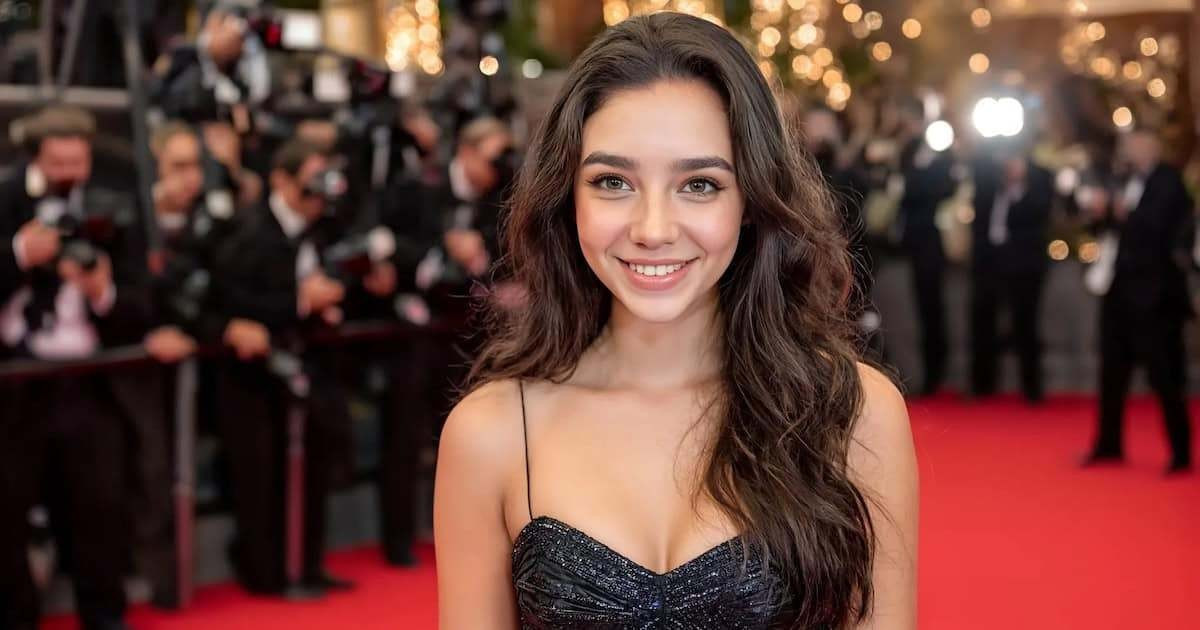
Hollywood has responded angrily to the emergence of Tilly Norwood, an AI-generated “actress” launched by the studio division Xicoia under Particle6, especially after her creator revealed that she was in talks to be signed by talent agents. The Screen Actors Guild (SAG-AFTRA) swiftly condemned the move, declaring that Tilly is not a real actor and insisting creativity must remain human-centered. Emily Blunt, among other prominent performers, voiced alarm—calling the concept “really scary” and urging agencies not to treat AI characters like real talent. Meanwhile, supporters of the AI venture argue that Norwood is meant as a creative tool or new storytelling format, not a direct substitute for human performers.
Sources: TechCrunch, Reuters
Key Takeaways
– SAG-AFTRA maintains that Tilly Norwood is a synthetic character, not a valid actor, and opposes replacing human performers with AI creations.
– High-profile actors have reacted with alarm to the idea of AI-generated talent infiltrating Hollywood, citing risks to authenticity and livelihoods.
– The controversy highlights a tension between AI as an artistic tool and its potential to disrupt established creative industries.
In-Depth
The rollout of Tilly Norwood feels like an inflection point for the entertainment industry. Created by Dutch producer Eline Van der Velden via Particle6’s AI division Xicoia, Norwood was unveiled with polish: an Instagram presence, self-described persona, and public statements hinting that she might soon be represented by agents. While her backers present her as an experiment in blending AI and media, Hollywood has viewed the move as a provocation. The union and many actors see it as a threat to human talent and the emotional core of storytelling.
SAG-AFTRA was quick to reject her legitimacy as an actor. In its official response, the union emphasized that Norwood was built by training on the works of countless real performers—implicitly suggesting she stands on the shoulders of human labor without consent or compensation. The union also reinforced contractual requirements: any use of a synthetic performer must go through negotiation and disclosure, and cannot skirt labor protections.
That reaction wasn’t just union talk: prominent actors weighed in. Emily Blunt, when confronted with Norwood’s visage, reportedly gasped, “Good Lord, we’re screwed. That is really, really scary. Come on, agencies, don’t do that.” Others, including Whoopi Goldberg, publicly decried the concept of AI replacing human connection and creative intuition.
On the flip side, Van der Velden and her team argue that Tilly is not a substitute for live actors but rather a new medium. They liken her to the evolution of animation or digital effects—tools that expand the storytelling toolkit without fully replacing human input. Some insiders acknowledge that studios have quietly shown interest in AI tools for things like de-aging, character augmentation, or reviving personas of deceased stars.
Still, many experts remain skeptical. For one, the emotional nuance and lived experience actors bring to a role are hard—if not impossible—to replicate in code. And then there’s the issue of trust: audiences are more likely to invest in characters when they sense a human presence behind them. On a deeper level, the Norwood episode reignites longstanding anxieties over automation, intellectual property, and the nature of work in creative industries.
If nothing else, Tilly Norwood has forced Hollywood’s hand. This is no longer a distant fear of AI on the horizon—it’s a present debate about boundaries, ethics, and what makes art meaningful.