

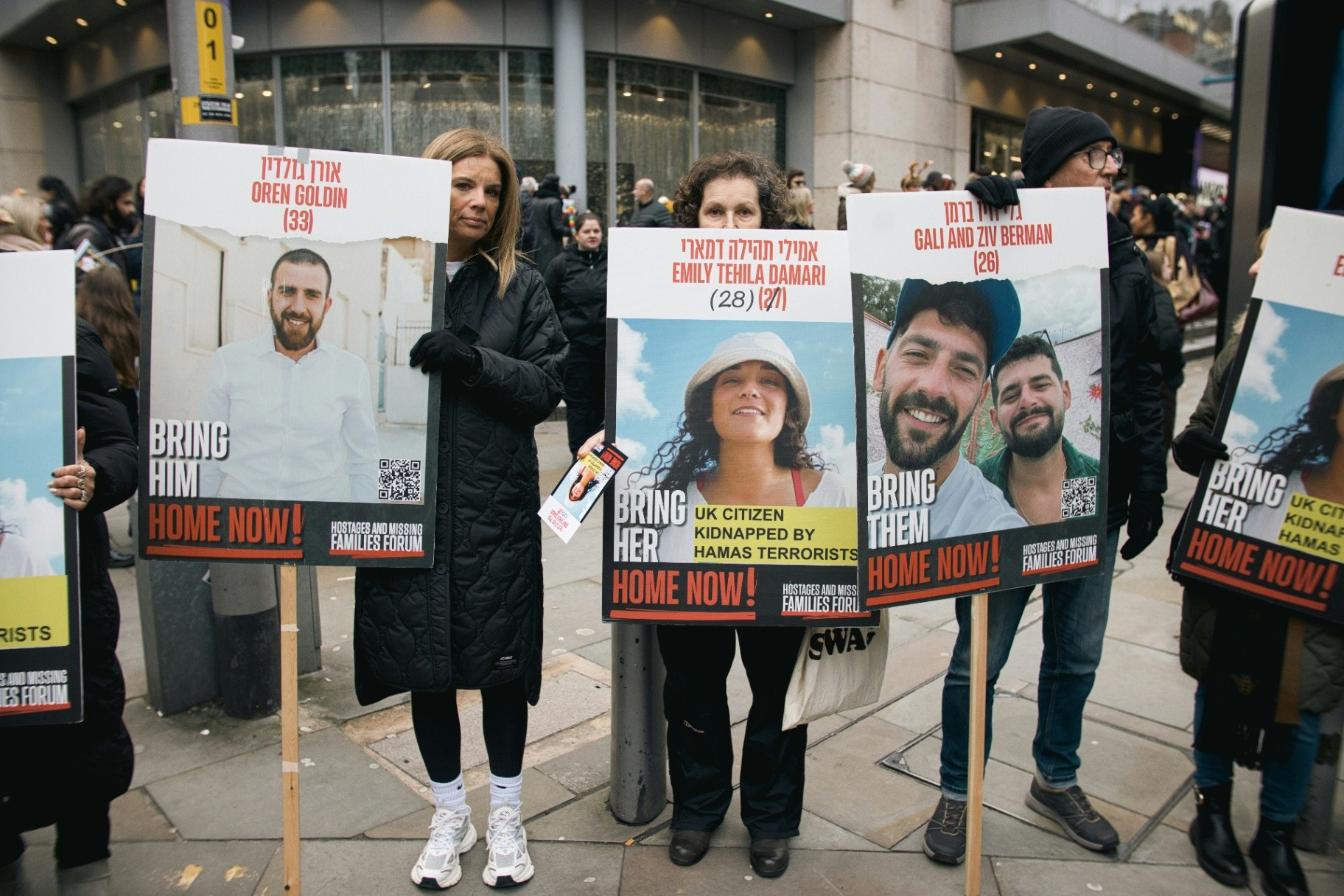
On October 13, 2025, Israel welcomed home the final 20 surviving hostages held in Gaza—closing a two-year conflict that began with the Hamas assault of October 7, 2023. On October 7, 2023, Hamas-led militants killed about 1,200 Israelis (mostly civilians) and kidnapped 251 hostages into Gaza. Footage of the massacre can be found online (warning– contains graphic content). Hostages and victims included foreign citizens from around the world.
The resulting war, which involved tunnel and urban warfare, resulted in an estimated 60,000 or more Palestinians dead according to the Hamas-run Gaza Health Ministry, of which an estimated 20,000 or more were Hamas operatives, according to the Israeli government.
The release capped a dramatic peace accord personally brokered by former President Donald Trump, who returned to the region for what he called “a deal only America could deliver.”
Tech Behind the Rescues
Less discussed—but arguably as fascinating—was how Israeli intelligence leveraged technology to save an additional 41 hostages outside any diplomatic deal.
AI-powered acoustic sensors were deployed along tunnel networks to detect faint human speech through layers of concrete. Machine-learning models trained on “voice fingerprints” could distinguish captive voices from guards’. In parallel, volunteer data scientists in Tel Aviv built facial-recognition pipelines that scraped and cross-referenced thousands of TikTok and Telegram videos posted from Gaza, identifying hidden hostages in background footage.
Several of those algorithmic leads led to pinpoint raids—one described by officials as “a machine-learning-guided miracle.”
A Rare Intersection of Tech and Diplomacy
In a conflict where both politics and code often go wrong, the combination worked. Trump’s deal brought the headlines, and the tech ecosystem created in Israel—private AI labs, defense startups, and civilian volunteers—helped bring more hostages home.