

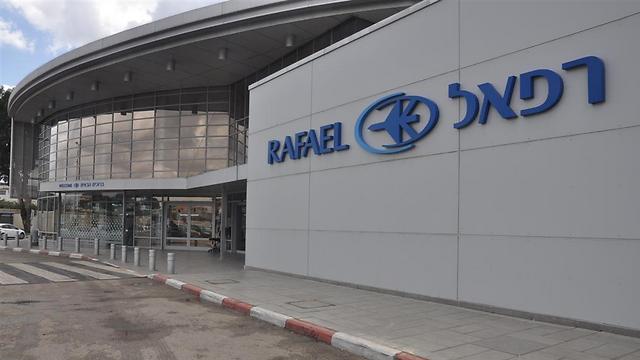
Israel’s government is gearing up to begin partial privatization of two of its biggest state-owned defense companies, Israel Aerospace Industries (IAI) and Rafael Advanced Defense Systems, by offering minority stakes in initial public offerings (IPOs) on the Tel Aviv Stock Exchange as soon as the second quarter of 2026. The plan envisions selling roughly 25–30% of each company in small tranches to avoid market disruptions while retaining government control for national security reasons. This long-debated shift follows years of deliberation and has gained traction due to rising global demand for advanced defense technology and strong financial performance by the firms amid ongoing regional conflicts. Both companies, valued at approximately $20 billion for IAI and $10 billion for Rafael, would gain access to capital markets to support growth and competitiveness, especially as Rafael seeks parity with publicly traded rivals after decades of being fully state-owned. Reuters reported that regulatory and union issues must still be resolved before the floatations proceed, and sources close to the matter indicate that the government is committed to keeping control stakes even as it taps private capital.
Sources:
https://www.timesofisrael.com/israel-eyes-privatization-of-defense-giants-iai-and-rafael-via-public-share-sale/
https://www.reuters.com/world/middle-east/israel-poised-launch-defence-privatisations-months-says-government-official-2026-01-12/
https://www.haaretz.com/israel-news/2026-01-12/ty-article/.premium/israel-to-privatise-two-key-defense-firms-within-months-government-official-says/
Key Takeaways
- The Israeli government plans to sell about 25–30% of IAI and Rafael through IPOs on the Tel Aviv Stock Exchange, retaining majority control to maintain national security.
- The push to privatize comes after more than two decades of discussion, backed now by strong valuations boosted by ongoing conflicts and global military demand.
- Rafael, traditionally fully state-owned, may use the IPO to boost competitiveness, but faces regulatory and classification challenges due to the sensitive nature of its defense work.
In-Depth
Israel’s defense sector is on the brink of a landmark shift as the government prepares to launch partial privatizations of two of the nation’s cornerstone military technology firms. Israel Aerospace Industries (IAI) and Rafael Advanced Defense Systems—both historically government-owned champions in missile defense, aerospace, and advanced military systems—are being readied for initial public offerings, likely beginning in the second quarter of 2026. The stakes are high for Israel’s strategic economic and security landscape, given the long history of state control over these entities and the global surge in demand for advanced defense hardware.
At the heart of the move is a pragmatic recognition by Israeli officials that private capital and the discipline of global markets can sharpen the competitiveness of these companies on the world stage. IAI, with a valuation near $20 billion, and Rafael, valued around $10 billion, have both seen strong financial performance in recent years, driven in part by heightened regional tensions and sustained military demand. By floating 25–30% stakes on the Tel Aviv Stock Exchange in carefully managed tranches, the government aims to tap significant investment while maintaining majority ownership to safeguard national security interests.
This strategy marks a departure from decades of policy inertia. Defense privatization efforts have surfaced periodically over the past 20 years but repeatedly stalled amidst bureaucratic resistance, union concerns, and national security worries. Now, buoyed by robust order backlogs and an inflow of global contracts for systems like Iron Dome and unmanned aerial platforms, proponents argue the timing is right. A phased IPO approach, spreading share sales over 2026 and 2027, is intended to maximize valuation and prevent overloading the market.
Rafael faces unique challenges in the transition due to its extensive classified work—issues that will require thoughtful balancing of transparency and security. IAI, which already has some bond market experience, is seen as primed for public listing, which could, in turn, pressure Rafael to follow suit to remain competitive with publicly traded defense peers like Elbit Systems. Regulatory and union hurdles remain, but senior government officials have signaled that these are surmountable in the months ahead.
For Israel, partial privatization of IAI and Rafael could not only unlock fresh capital for innovation but also signal a broader modernization of its defense industrial base. It reflects a conservative economic philosophy that leverages market mechanisms to strengthen national capabilities, aligning fiscal prudence with strategic growth—all while keeping core security functions firmly within government oversight.