

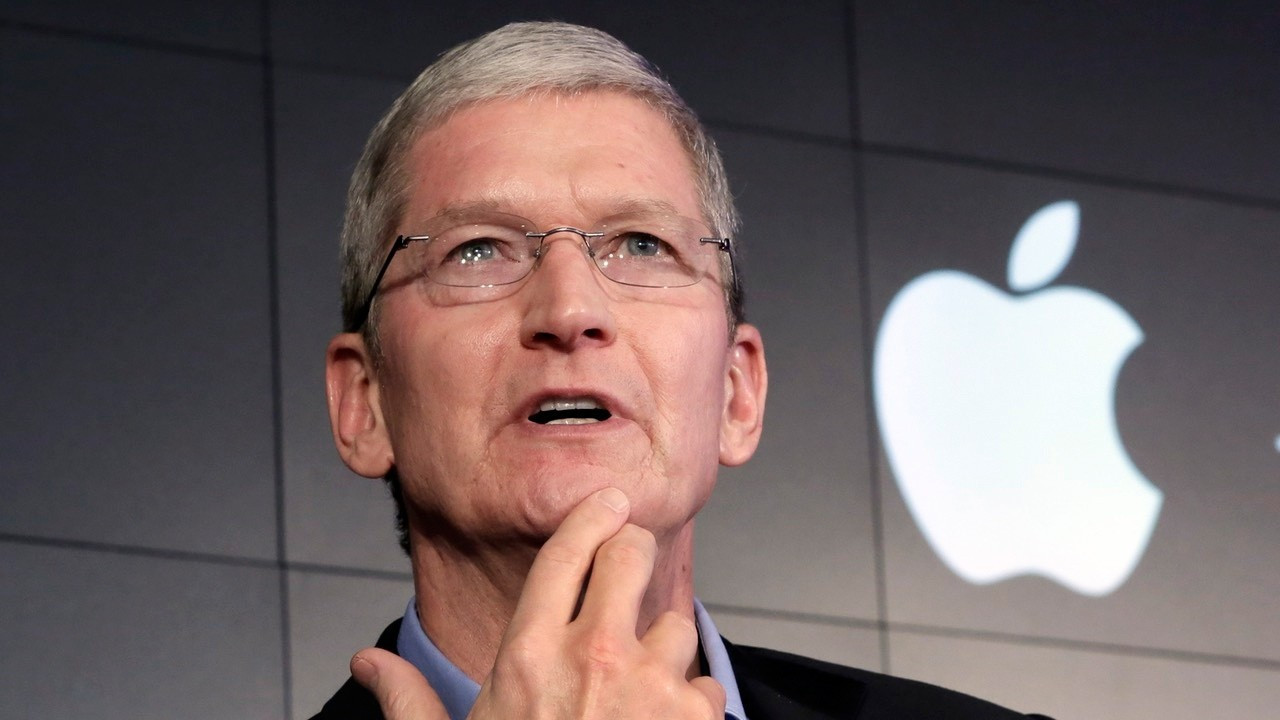
The U.S. National Labor Relations Board (NLRB) has withdrawn most of its allegations that Apple CEO Tim Cook violated federal labor law, ending a long-running inquiry born from internal leaks and disputes over confidentiality and employee activism. The dismissed accusations included claims that Cook’s 2021 “anti-leak” email unlawfully coerced employees, that Apple enforced illegal confidentiality rules, and that it wrongfully terminated program manager Janneke Parrish for her organizing efforts. Sources report that the NLRB’s decision followed an internal reassessment under its new general counsel, who opted to dismiss claims after what the agency called “careful consideration.”
Sources: Reuters, AppleInsider
Key Takeaways
– The NLRB’s withdrawal effectively removes legal jeopardy for Cook personally and undercuts serious accusations regarding Apple’s internal policies and employee communications.
– Critics may view the decision as indicative of shifting priorities at the NLRB under new leadership, possibly leaning toward more business-friendly interpretations of labor law.
– Despite the dismissal, the history of complaints—from leaks to anti-silence rules to firings linked to the #AppleToo movement—remains part of a broader conversation about worker rights in big tech.
In-Depth
Back in 2021, Apple found itself under fire from former employees and activists over internal messaging practices. One key flashpoint was a memo Tim Cook sent warning that “people who leak confidential information do not belong here” after an internal meeting was leaked to the press, touching on sensitive topics like pay equity and the company’s stance on Texas’s abortion law. The National Labor Relations Board (NLRB) eventually filed a complaint alleging that the memo—and related confidentiality and social media rules—violated Section 8(a)(1) of the National Labor Relations Act by interfering with employee rights to discuss work conditions.
In parallel, program manager Janneke Parrish had been disciplined and then terminated after participating in the #AppleToo movement, which sought to spotlight alleged discrimination and workplace mistreatment. Parrish alleged her firing was retaliatory. Additional claims accused Apple of enforcing policies that chilled free discussion and surveilling workers or creating a perception of surveillance.
Over time, the complaint intensified, including scrutiny of whether Apple’s general policies unlawfully restricted employees’ ability to speak out. But in September 2025, the NLRB reversed course, withdrawing most of the accusations. In its formal notice, the agency said it had “carefully investigated and considered” the charges and concluded multiple claims should be dismissed. The withdrawal includes the core charge against Cook’s memo, the allegations about Parrish’s firing, and the claims around surveillance and restrictive policies.
This retreat comes amid broader institutional changes: the NLRB’s general counsel role shifted to a new appointee who appears to favor narrower enforcement. Some observers see the move as a sign that the board, under newly assertive leadership, may prioritize avoiding controversial, high-stakes labor disputes. Others argue it weakens employee protections in the tech sector, where power imbalances are already stark.
Even with the dismissal, the episodes that led to scrutiny remain. Employee activism (via #AppleToo), the tensions between corporate secrecy and transparency, and the limits of what employers can demand of speech all persist as live debates. For Apple, the legal risk has receded, but questions about its internal culture and how it handles dissent are far from resolved.