

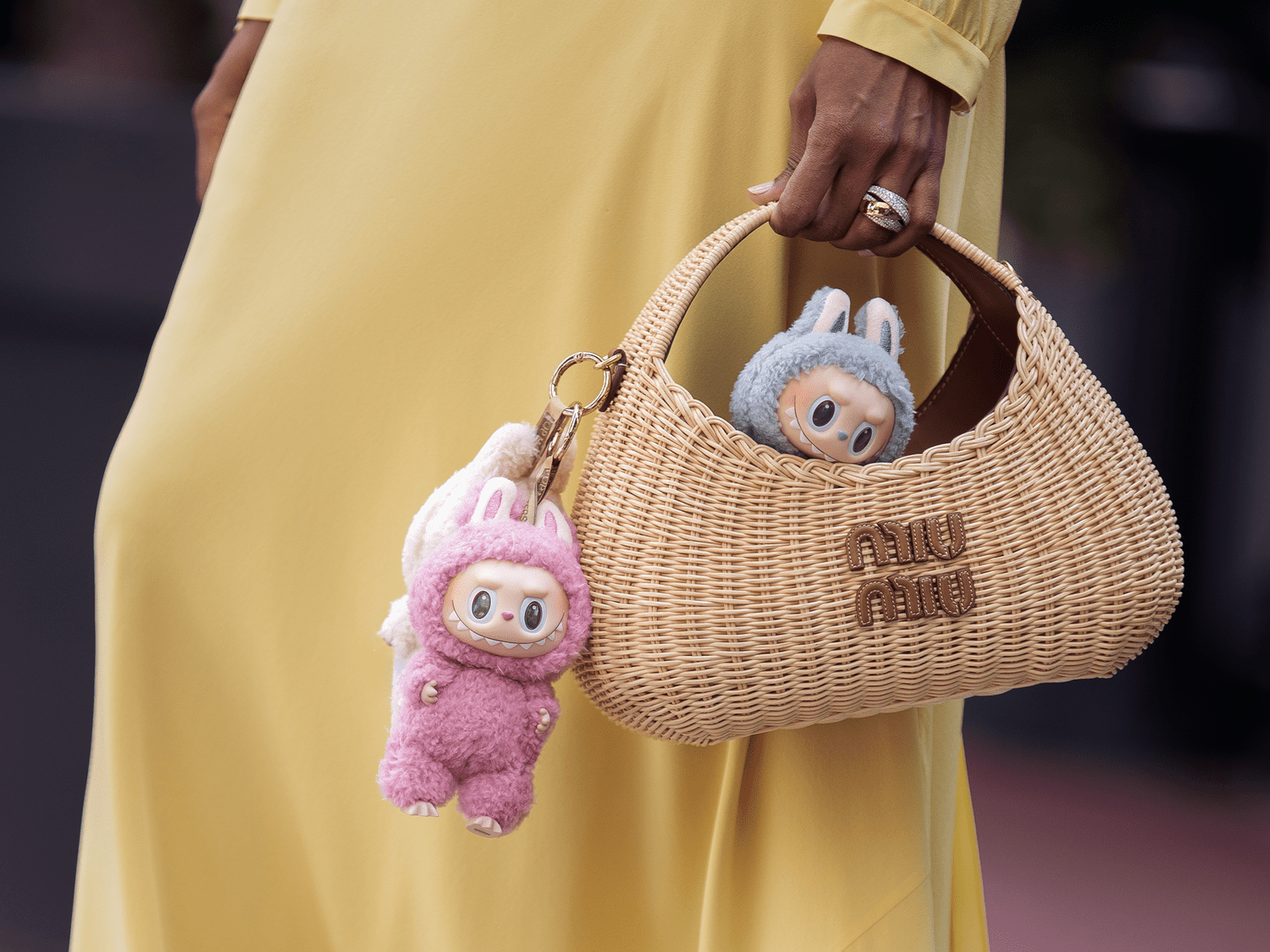
Pop Mart’s Labubu line—a quirky “ugly‑cute” plush toy sold via blind‑box mystery packaging—has exploded into a global collectible trend, generating roughly $670 million during the first half of 2025 and putting the company on track to surpass $1 billion in Labubu‑led revenue by year’s end. The company’s CEO, Wang Ning, signaled that overall sales could reach as high as 30 billion yuan (around $4.18 billion), buoyed by rapid international expansion, particularly in the U.S., and new mini Labubu phone charms.
Sources: TechCrunch, Reuters, Wired
Key Takeaways
– The Labubu franchise alone has generated around $670 million in revenue mid‑year and could drive Pop Mart to over $1 billion in annual earnings.
– CEO Wang Ning predicts total company revenue could hit 30 billion yuan (~$4.18 billion), supported by aggressive expansion, including 10 more U.S. stores and mini Labubu phone charms.
– The Labubu craze is a global fashion phenomenon, fueled by blind‑box scarcity, celebrity endorsements, and outsized demand—pushing profits, sales, and international brand presence sharply upward.
In-Depth
In the world of collectible toys, Labubu has matured from a quirky character into a major revenue engine. Pop Mart’s half-year financials for 2025 are telling: Labubu alone generated around $670 million in sales, and that figure is pushing the company toward crossing the billion-dollar mark by year’s end. Meanwhile, CEO Wang Ning is ambitiously pointing to a total annual haul of around 30 billion yuan—roughly $4.18 billion—fueling optimism among investors and analysts alike.
What’s behind this surge? The blind-box model—a carefully orchestrated mix of scarcity and surprise—has fans lining up for drops and hunting rare variants. Layer that with a wave of celebrity endorsements—everyone from Blackpink’s Lisa to Rihanna and Kim Kardashian have been spotted accessorizing with Labubu charms—and you have the perfect viral cocktail. Social media buzz, fashion credibility, and resale frenzies have all propelled Labubu from a niche collectible to mass-market cultural moment.
Pop Mart isn’t merely riding the craze—they’re expanding on it. Ten new U.S. stores are slated to open by year’s end, and innovative iterations like mini Labubus designed to attach to mobile phones are in the pipeline. All signs suggest that Pop Mart’s strategy—combining inventive marketing, global expansion, and product evolution—is paying off handsomely. Labubu isn’t just a toy; it’s a phenomenon, and its financial impact is just getting started.