

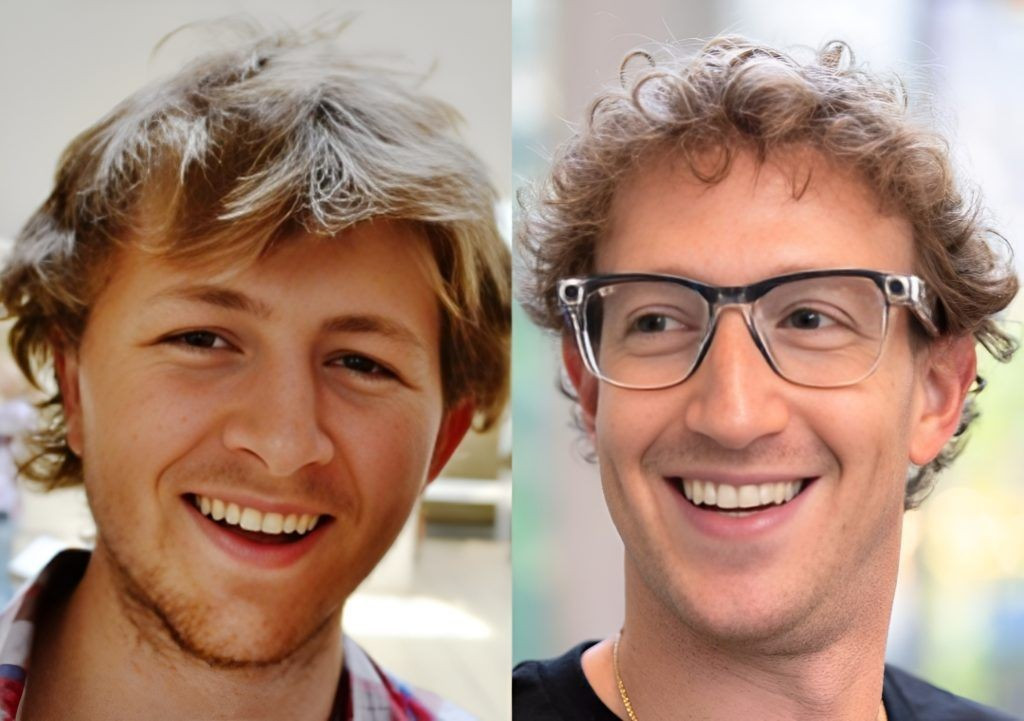
Andrew Tulloch, co-founder of AI startup Thinking Machines Lab, has left the company to join Meta, marking a major coup in Mark Zuckerberg‘s aggressive talent-grab campaign. The Wall Street Journal reports the move follows Zuckerberg’s failed attempt to acquire Thinking Machines, and a tantalizing compensation offer for Tulloch—reportedly up to $1.5 billion over six years—though Meta has denied the numbers. Meanwhile, Meta continues building out its new Superintelligence Labs, personally recruiting scores of AI researchers to accelerate its push toward artificial general intelligence.
Sources: Reuters, Wall Street Journal
Key Takeaways
– Meta’s move to bring in Andrew Tulloch underscores how intensely the AI talent wars have escalated, with tech giants personally courting leading minds.
– Reported compensation offers for Tulloch were astronomical, though contested, showing that money alone may not seal loyalty in Silicon Valley’s elite circles.
– Tulloch’s departure is part of a pattern: Meta is consolidating AI expertise under its new Superintelligence Labs to compete in the race for next-gen models.
In-Depth
Andrew Tulloch’s transition from Thinking Machines Lab to Meta is not just a personnel shift — it’s a public signal of how ferocious the AI talent competition has become. Tulloch, a respected AI researcher and cofounder alongside Mira Murati, received internal confirmation of his exit from the startup before joining Meta. According to the Wall Street Journal, Meta had earlier attempted to acquire Thinking Machines outright. When that offer was rejected, Zuckerberg reportedly pivoted to targeted poaching — and Tulloch became the centerpiece. The compensation on the table, as widely reported, was up to $1.5 billion over six years, though a Meta spokesperson called that figure “inaccurate and ridiculous.”
This isn’t an isolated sprint — it’s part of a broader strategy. Meta has publicly rolled out its Superintelligence Labs, bringing together FAIR (its fundamental AI research arm), the teams behind the Llama models, and new units tasked with developing future AI architectures. That organizational consolidation follows months of aggressive recruitment, with Zuckerberg personally reaching out to AI researchers via WhatsApp, email, even in-person settings. Analysts suggest the push is motivated by frustration with Meta’s existing models (such as Llama 4) and a desire to close the gap with rivals like OpenAI and Google.
Tulloch himself has a storied AI pedigree: prior stints at Meta and OpenAI, contributions to foundational architectures, and now, the prestige of being a key hire in a high-stakes strategic gamble. From Meta’s perspective, this move helps legitimize its new AI ambitions: if they can land someone at Tulloch’s level, it sends a message to competitors about commitment and vision. Yet the shift also underscores that top researchers may now weigh mission, autonomy, culture, and long-term potential as heavily as headline compensation. Meta’s task now: convert raw talent into sustained breakthroughs and internal cohesion.