

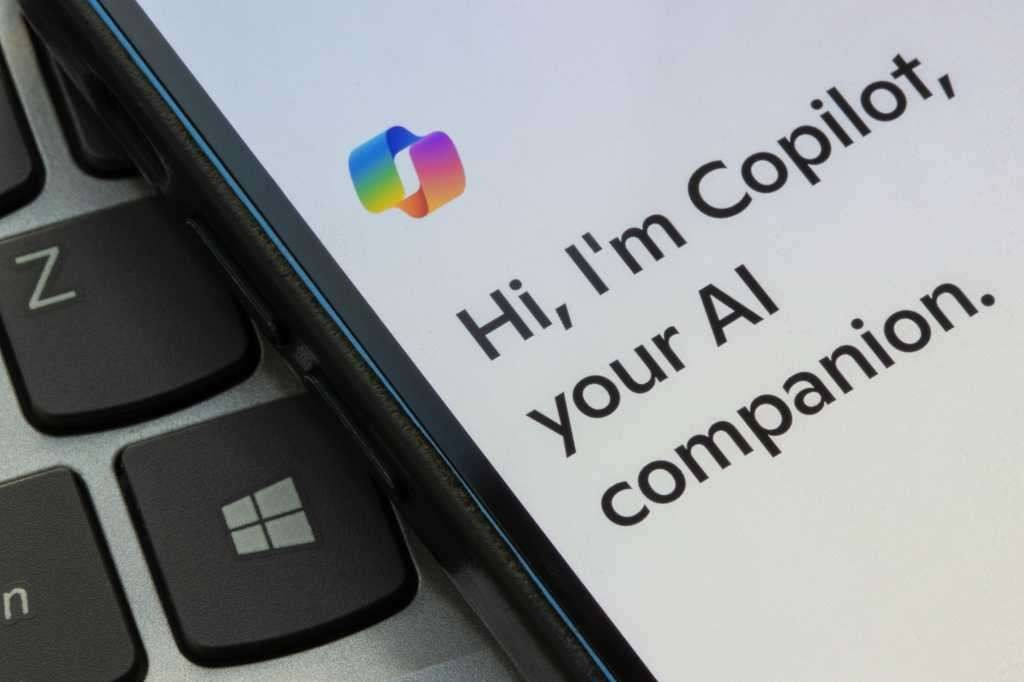
Microsoft acknowledged that a software bug within its Office suite allowed certain customers’ confidential emails to be inadvertently exposed to its Copilot artificial intelligence system, raising fresh concerns about enterprise data security and the aggressive integration of AI into workplace tools. The issue reportedly stemmed from a configuration flaw that caused some email content, which should have remained siloed, to become accessible for processing by Copilot’s AI features. While Microsoft stated there is no evidence of widespread misuse or external breach, the admission underscores mounting scrutiny over how major technology firms are embedding generative AI into core productivity platforms. The company says it has addressed the flaw and notified affected customers, but the incident is likely to intensify debate over data governance, internal safeguards, and whether AI rollouts are outpacing responsible oversight in corporate environments that handle sensitive communications.
Sources
https://techcrunch.com/2026/02/18/microsoft-says-office-bug-exposed-customers-confidential-emails-to-copilot-ai/
https://www.reuters.com/technology/microsoft-office-bug-exposed-confidential-emails-copilot-2026-02-18/
https://www.theverge.com/2026/2/18/office-bug-exposed-emails-copilot-microsoft
Key Takeaways
- A configuration flaw allowed certain confidential Office emails to be processed by Copilot AI without proper isolation.
- Microsoft claims no evidence of external compromise but confirmed customers were notified and the bug was fixed.
- The incident fuels broader concerns that AI integration into enterprise software may be advancing faster than security controls.
In-Depth
Microsoft’s disclosure that a bug exposed confidential emails to its Copilot AI system lands at a pivotal moment for the technology sector. Corporate America has been told that generative AI will supercharge productivity, streamline communication, and redefine knowledge work. But this episode serves as a reminder that speed carries risk.
The flaw reportedly involved email data that should have remained compartmentalized within customer environments. Instead, due to a configuration error, some of that content became accessible to Copilot’s AI processing systems. While the company emphasized there was no sign of an outside hack or malicious exploitation, the distinction offers only partial reassurance to enterprises that rely on strict internal data boundaries.
Businesses entrust productivity platforms with trade secrets, legal communications, financial data, and sensitive negotiations. When AI systems are layered into those ecosystems, even minor misconfigurations can have outsized consequences. The real question is not simply whether the bug was fixed, but whether governance frameworks are keeping pace with the rapid commercialization of AI features.
As technology firms compete to dominate the AI productivity race, incidents like this underscore a broader tension: innovation versus control. For corporate leaders, the lesson is straightforward. AI tools may promise efficiency, but oversight, auditing, and contractual clarity around data handling are no longer optional. They are essential safeguards in an era where software updates can quietly redefine how information flows.