

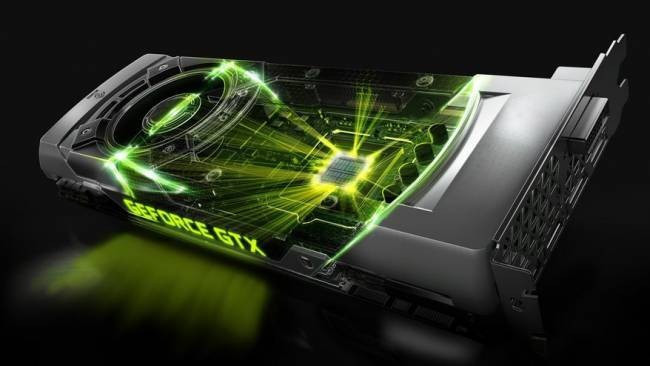
Nvidia has officially launched its next-generation AI computing platform, the Vera Rubin architecture, at the Consumer Electronics Show (CES) 2026 in Las Vegas, marking a major step forward in AI hardware design and production. The platform — named after astronomer Vera Rubin — combines six tightly integrated components including the Rubin GPU and Vera CPU to form an AI supercomputing system that Nvidia says delivers multiple-fold performance improvements over its predecessor Blackwell architecture, with up to five times more AI training compute power and significant gains in inference efficiency according to press reports and independent analyses. Nvidia CEO Jensen Huang confirmed that the Rubin platform is already in full production and scheduled to ship to partners later this year, with major cloud providers and enterprise customers lined up to adopt the new chips to power AI models and services. Alongside the hardware announcement, Nvidia also showcased broader AI initiatives including autonomous vehicle software and robot advancements, underscoring the company’s deepening footprint in AI ecosystems. Revenues and demand trends suggest the company is solidifying its leadership position in the high-performance AI chip market while competitors gear up their own offerings.
Sources:
https://www.reuters.com/world/china/nvidia-ceo-huang-take-stage-ces-las-vegas-competition-mounts-2026-01-05/
https://www.theverge.com/tech/855412/nvidia-launches-vera-rubin-ai-computing-platform-at-ces-2026
https://finance.yahoo.com/news/nvidia-launches-vera-rubin-its-next-major-ai-platform-at-ces-2026-230045205.html
Key Takeaways
• Major performance uplift: Vera Rubin architecture is claimed to offer up to 5x AI training compute power and large efficiency gains over Blackwell, positioning Nvidia at the forefront of AI infrastructure.
• Full production under way: Nvidia has confirmed that Rubin chips are already in full production and expected to reach customers in the second half of 2026, a sign of confidence in execution and demand.
• Broad ecosystem impact: Key cloud and enterprise partners are preparing to deploy Rubin-based systems, while Nvidia’s announcements at CES included not only hardware but expanded AI platforms affecting vehicles, robotics, and data centers.
In-Depth
At the flagship tech event CES 2026, Nvidia took center stage with the launch of its next-generation AI hardware platform, Vera Rubin, designed to tackle the skyrocketing computational requirements of modern AI workloads. According to multiple industry sources and company announcements, the Vera Rubin architecture represents a significant leap from Nvidia’s already dominant Blackwell series. At its core, the platform integrates six specialized chips — among them the Rubin GPU and Vera CPU — into a unified system that Nvidia claims can deliver up to five times the AI training compute capability of previous architectures, along with dramatic efficiency gains during inference tasks. This improvement is notable not only for raw performance but also for lowering operational costs for enterprises and cloud providers relying on AI model training and deployment.
CEO Jensen Huang confirmed during his keynote that the chips are now in full production, pointing to Nvidia’s confidence in scaling the new technology and meeting demand from hyperscalers and data centers. The company has already lined up major partners and customers who plan to deploy Rubin-based systems later this year — a strong signal of market momentum. Beyond hardware, Nvidia showcased complementary AI advancements, including autonomous driving technology and robotics platforms, highlighting how advanced chips like Rubin will serve as foundational infrastructure for future AI applications. Observers note that this launch reinforces Nvidia’s leadership position in high-performance AI computing even as competitors accelerate their own chip development efforts.