

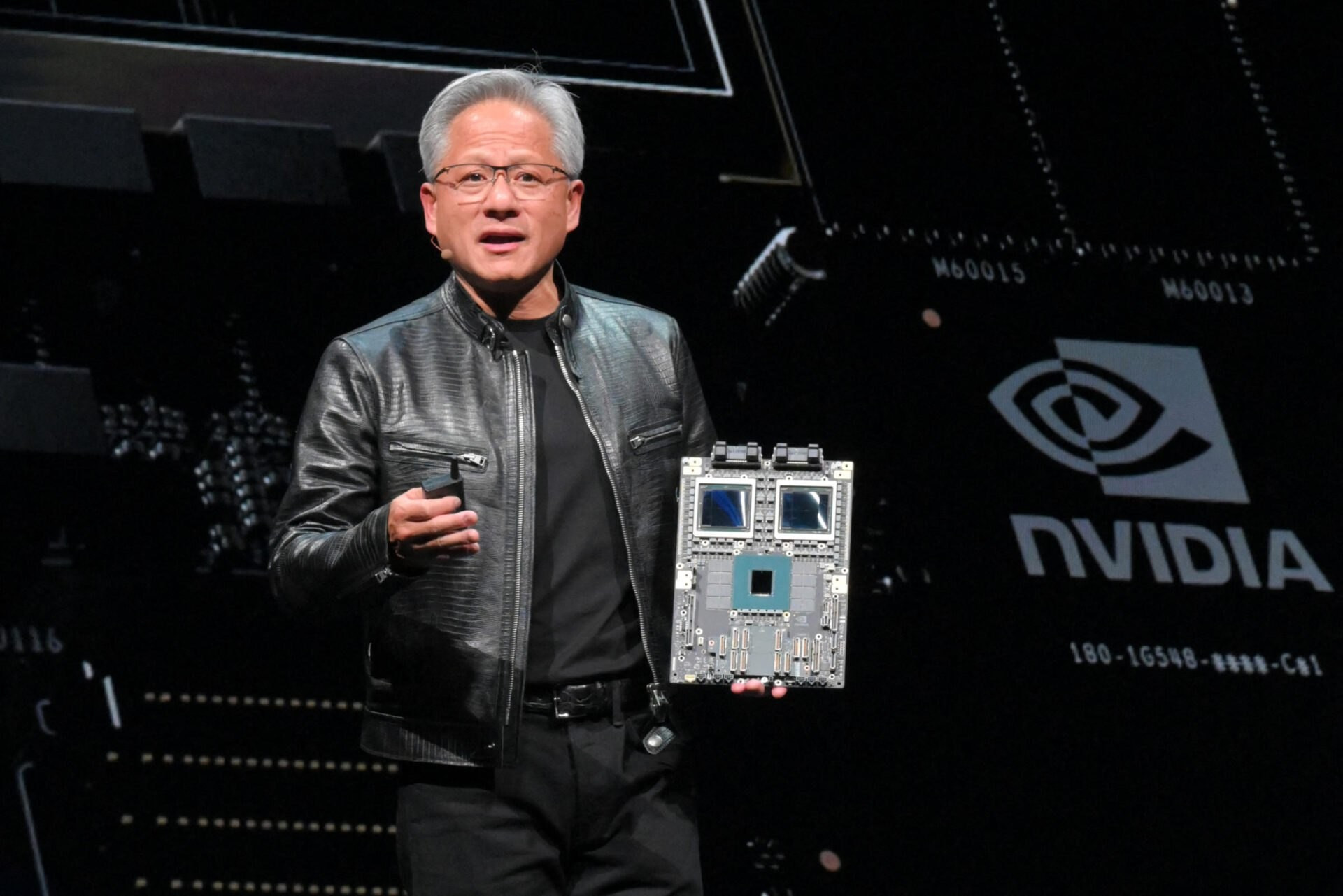
NVIDIA CEO Jensen Huang is set to attend the Asia-Pacific Economic Cooperation (APEC) summit in Gyeongju, South Korea, this October. Sources say his presence raises expectations for stronger U.S.–Korea semiconductor collaboration—particularly with major South Korean players like SK hynix and Samsung Electronics. At the summit, Huang is expected to participate in sessions focused on “AI for economic development,” amid broader talks to include other tech heavyweights such as OpenAI‘s Sam Altman, Google‘s Sundar Pichai, and Apple‘s Tim Cook. The visit comes as U.S. export controls on South Korean chipmakers intensify, with new restrictions nudging Seoul toward deeper strategic engagement with American leadership in the chip sector.
Sources: TrendForce, Chosun Daily, The Standard
Key Takeaways
– Strategic Signal: Huang’s attendance signals a deepening U.S.–Korea semiconductor alliance, reinforcing cross-border ties with SK hynix and Samsung.
– AI & Policy Platform: His role in “AI for economic development” sessions highlights semiconductor tech’s central role in regional policy and economic planning.
– Regulatory Backdrop: Given tightening U.S. export controls, the visit stresses how industry diplomacy may help ease geopolitical pressures affecting chip ecosystems.
In-Depth
NVIDIA CEO Jensen Huang’s upcoming attendance at the APEC summit in Gyeongju this October offers a quietly potent moment for technology diplomacy. It isn’t every day that a tech executive’s travel plans carry so much subtle weight, but that’s exactly what’s happening here. The summit, themed around “AI for economic development,” has become a literal stage for the merging of geopolitical strategy and semiconductor innovation.
On one level, Huang’s presence underscores NVIDIA’s interest in fortifying ties with South Korea’s chip giants—including Samsung Electronics and SK hynix—at a time when U.S. export controls are tightening, particularly concerning equipment transfers to their Chinese operations. His attendance could facilitate behind-the-scenes conversations that pave the way for stronger U.S.–Korea coordination, potentially easing friction created by new export rules.
Beyond policy, it’s also a signal: of shared values in technology and security, of the importance of AI across economies, and of the U.S. and South Korea aligning their chips and research agendas in face of rising regional competition. And let’s not forget, this summit is attracting other top tech names—OpenAI’s Sam Altman, Google’s Sundar Pichai, Apple’s Tim Cook—elevating it from a regional gathering to a global tech diplomatic front.
So while it may seem like a standard conference appearance, Huang’s participation is anything but routine. It’s a significant cue to markets, policymakers, and peers that semiconductors—and the AI power they enable—are becoming diplomatic linchpins in a way few industries have ever been.