

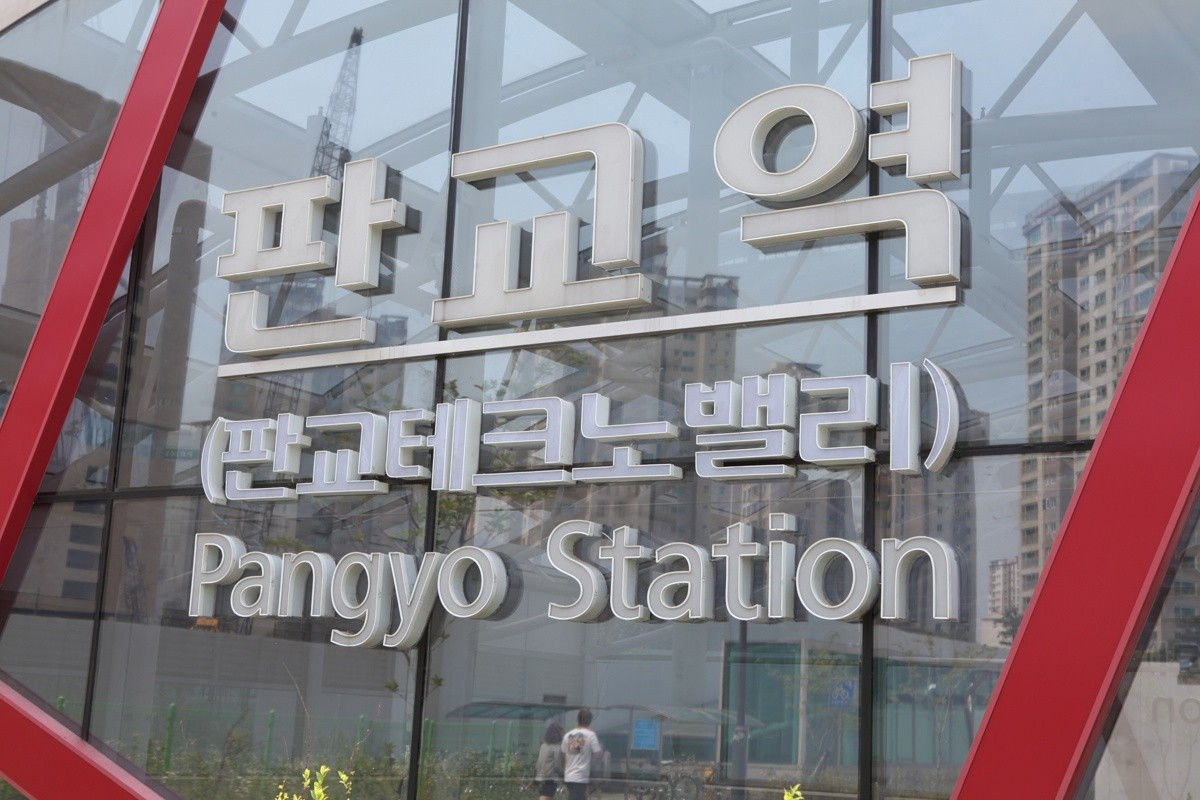
South Korea’s so-called “Silicon Valley,” Pangyo Techno Valley (PTV) in Seongnam, is coming under scrutiny as it struggles to convert local density and domestic success into genuine global influence. One recent TechCrunch deep dive highlights that while Pangyo hosts more than 1,800 startups and major names like Kakao, Naver, Nexon, NCSoft, and Samsung have offices there, critics argue it falls short in attracting world-level capital, top-tier global talent, and the risk-taking culture of true innovation hubs. Some startup founders reportedly prefer Seoul’s Gangnam district for its investor networks and prestige. Moreover, over 91 percent of firms in PTV remain small or midsize, with just 3.6 percent classified as Big Tech and the remainder in public or government affiliation, suggesting the scale needed for global breakthroughs is lacking. At the same time, infrastructure constraints and jurisdictional policy gaps dampen Pangyo’s appeal to ambitious founders and international VCs alike.
Sources: TechCrunch, Korea Times
Key Takeaways
– Pangyo’s clustering of tech firms is impressive domestically, but its ability to draw global capital, talent, and risk-taking is still in question.
– The dominance of small and midsize firms versus Big Tech within PTV suggests a lack of scale and fewer breakout global champions.
– Geographic, infrastructural, and policy challenges—paired with the gravitational pull of Seoul’s investor networks—limit Pangyo’s ability to rival mature innovation ecosystems.
In-Depth
Pangyo Techno Valley began with ambition. Launched in 2011 just south of Seoul, it has evolved into one of South Korea’s most concentrated hubs of tech innovation, with over 1,800 firms—ranging from gaming leaders like Nexon and NCSoft to platform giants like Kakao and Naver—calling it home. But in its latest iteration, Pangyo is confronting a reckoning: being dense and local doesn’t automatically translate into global preeminence. According to TechCrunch, insiders and investors increasingly question whether Pangyo truly deserves the nickname “Korea’s Silicon Valley.”
One central problem is scale. Roughly 91.5 percent of firms in PTV are small or midsize; only about 3.6 percent are Big Tech, and another 4.9 percent fall under public or government organizations. This ratio illustrates the uphill battle for firms to grow into global leaders rather than remain regional players. Founders and investors note that culture matters too: in the U.S., failure is part of the narrative, and rapid iteration is encouraged. In Korea, caution and incrementalism often prevail—traits that can stifle outsized growth or disruption.
Yet scale and culture aren’t the only gaps. Location plays a role. Though Pangyo is just a 15-minute subway ride from Seoul’s Gangnam, it still sits outside the core prestige zones in the capital. Many venture capital operations, startup events, and networking opportunities cluster in Gangnam or along Teheran Street. That gives startups in Seoul easier access to capital, media attention, and talent. Some founders have shifted back toward Gangnam not because it’s materially better infrastructure, but because proximity to investors and prestige helps open doors.
Then there’s the question of international reach. To compete globally, startups must attract foreign capital, forge global partnerships, and scale beyond Korea. Yet language, regulatory differences, and weaker ties to overseas venture networks often slow that transition. Investors in Pangyo note that many local startups are excellent engineers, but struggle with storytelling or building global brands.
That said, Pangyo isn’t standing still. The district is pushing into next-gen domains like AI, biotech, and deep tech, with government support for scaling programs and startup campuses. And in a broader national context, South Korea is working to reverse brain drain by introducing visa incentives and courting global talent. Success will depend on whether Pangyo can pivot from a dense domestic hub to an ecosystem that nurtures global winners—unicorns, cross-border exits, and enduring global influence.
In short, Pangyo’s promise is real—but to live up to it, the valley must evolve beyond Korea’s best to become a destination for global ambition.