

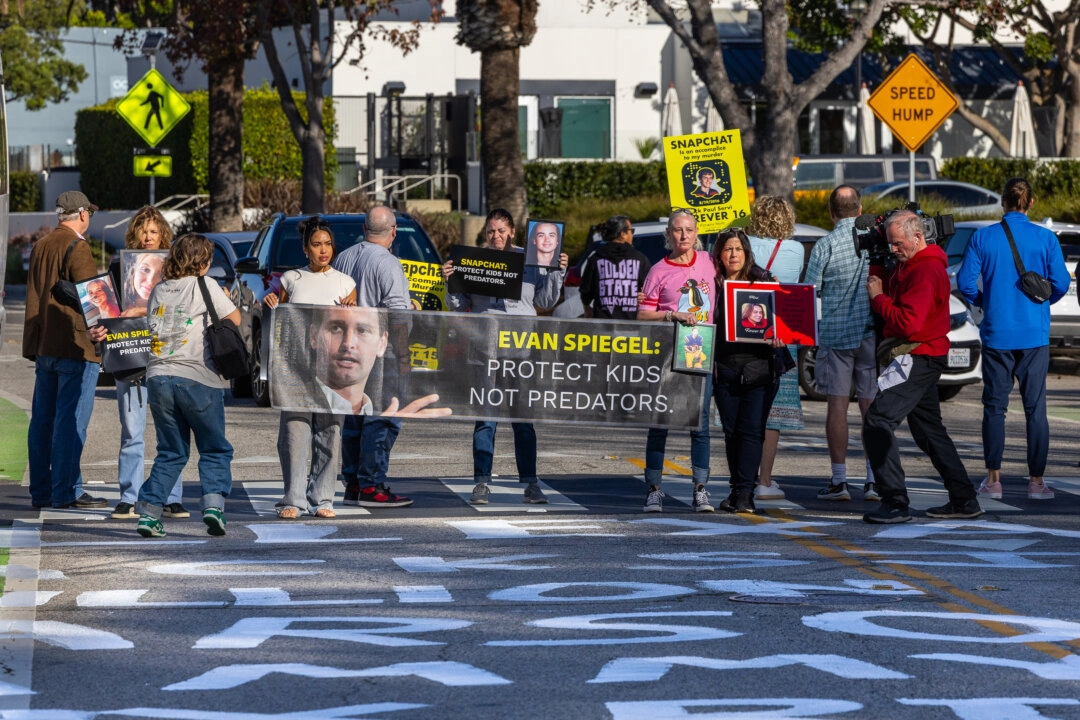
A group of more than 40 mourning parents and advocates gathered outside Snapchat’s Santa Monica headquarters on February 12, 2026, to protest what they say is the tech company’s failure to protect young users from harm, with demonstrators painting the names of 108 children on the street to memorialize youths they allege died after obtaining fentanyl-laced pills through interactions on the social media platform and to demand stronger safety measures from Snap; the campaign against the company includes pending lawsuits asserting Snapchat’s design flaws contributed to these deaths and calls for the firm to disable certain features, while the state of Texas recently filed a separate lawsuit claiming Snapchat misled parents about safety and entices children through addictive design elements.
Sources
https://www.theepochtimes.com/us/remembering-108-children-grieving-parents-urge-snapchat-reforms-5984890
https://www.spokesman.com/stories/2026/feb/13/parents-who-blame-snapchat-for-their-childrens-dea/
https://www.texasattorneygeneral.gov/news/releases/attorney-general-paxton-sues-snapchat-deceiving-parents-endangering-texas-kids-exposing-them
Key Takeaways
• Grieving families held a public demonstration at Snapchat’s headquarters, memorializing 108 children they assert died after accessing drug dealers via the app and pressing for greater safety protections.
• Lawsuits are underway accusing Snap of faulty product design that allegedly facilitates youth exposure to harmful content and drug facilitators, with families seeking legal accountability.
• In parallel, Texas Attorney General Ken Paxton filed a suit claiming Snapchat misrepresented its safety to parents and has addictive features that endanger children.
In-Depth
In early February 2026, a powerful and emotionally charged protest unfolded on the streets of Santa Monica as more than 40 parents and advocates converged outside the headquarters of Snap Inc., the company that operates Snapchat. Participants in the demonstration carried photos and placards and painted the names of 108 children in large white letters on the roadway outside the company’s offices. These names were meant as a memorial to young people the families say lost their lives after accessing counterfeit, fentanyl-laced pills sourced through Snapchat interactions. The parents and advocates in attendance have grown weary of what they view as insufficient safety protections and accountability from one of the most widely used social media platforms among teenagers. Many of the grieving parents, including individuals like Amy Neville whose 14-year-old son Alexander died in 2020 after reportedly obtaining a deadly pill from a dealer on Snapchat, are now part of lawsuits that argue the platform’s core design and safety features are fundamentally flawed and defective. These legal claims go beyond individual cases and raise broader concerns about the responsibility of tech platforms to prevent harm and protect young users.
The protest in Santa Monica was organized by groups such as the Heat Initiative, which focuses on tech accountability, and came at a time of intensifying scrutiny of social media companies’ roles in exposing children to risks like drug dealers, predation, and harmful content. Participants in the rally urged Snap to take concrete steps, such as disabling controversial features like the platform’s AI chatbot and implementing significantly stronger safety protocols tailored to youthful audiences. Many of the families have testified before lawmakers and sought legislative change to mandate heightened protections for minors online, arguing that the existing framework leave parents to shoulder the burden of monitoring and mitigation.
At the same time, governmental action has escalated. In mid-February 2026, Texas Attorney General Ken Paxton filed a lawsuit against Snap, Inc., alleging the company engaged in deceptive practices by promoting Snapchat as safe for children while failing to warn parents about exposure to harmful material and by designing the app with features that encourage addictive use among minors. The Texas suit asserts that Snapchat’s marketing and age ratings mislead parents, and claims the platform exposes youths to mature content and risky behaviours while lacking robust parental oversight tools. These allegations mirror a growing trend among states and advocacy groups pushing back against Big Tech firms for what they see as systemic failures to protect children. Paxton’s lawsuit seeks not only to hold the company accountable but also to secure changes in Snapchat’s design and operations so that parents are better empowered to safeguard their children.
Snap Inc. has responded to these criticisms by pointing to its efforts to combat illegal drug sales on the platform and collaborations with law enforcement and safety initiatives. Company statements make clear that Snap condemns criminal activities conducted by third parties on the app and asserts it has devoted considerable resources to improving safety and removing harmful content. Nevertheless, for grieving families and leading state officials, such measures are insufficient, and they mark the beginning of what could become significant legal and regulatory battles over the responsibilities of social media companies in protecting children from online-related harms.