

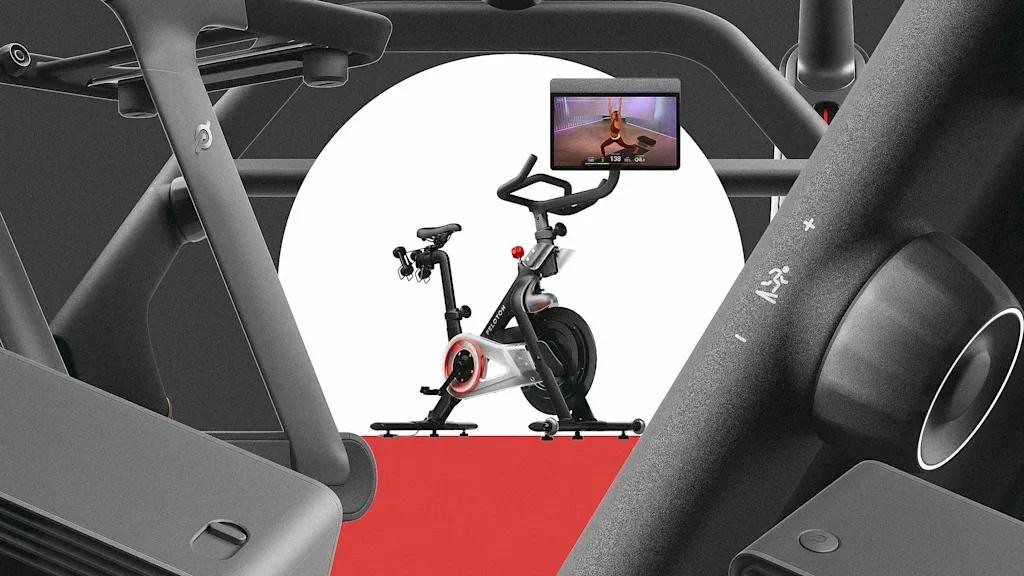
Peloton just dropped a major update to shake up its image: the Cross Training Series, rolling out new Bikes, Treads, and a Row Plus that combine strength and cardio in one machine, complete with swivel screens and integrated AI “Peloton IQ” features like form correction and personalized workout plans. Alongside the hardware revamp, the company raised its All-Access membership from $44 to $49 per month. The new machines themselves come with steep price tags — for instance the Tread Plus clocks in at $6,695 — and Peloton is pledging the AI features will be layered onto older devices via software updates. The move is part of a larger effort under new CEO Peter Stern to revive growth, though early market reaction has been mixed and investors appear wary.
Sources: Business Insider, Axios
Key Takeaways
– Peloton is repositioning itself around full-body fitness rather than just cardio, with a hardware line unified by swivel displays and AI capabilities.
– The price hikes—both for the hardware and the subscription—underscore Peloton’s shift toward higher margins, but risk alienating price-sensitive users.
– The rollout’s success hinges on how well Peloton’s AI coaching (Peloton IQ) can deliver on promises and retain or grow users amid skeptical market sentiment.
In-Depth
Peloton’s latest move feels less like a refresh and more like a reinvention. The company has rolled out what it’s calling the Cross Training Series — a full overhaul of its machine lineup that now supports not only cycling, running, and rowing, but strength and mixed workouts, seamlessly shifting thanks to 360° swivel displays that let users pivot from cardio to off-bike classes. According to The Verge, Peloton’s chief product officer says this shift was driven by user demand for an integrated fitness experience rather than siloed devices.
The big lure in this relaunch is “Peloton IQ,” an AI and computer vision system that provides real-time form feedback, rep counting, and tailored coaching. On the newer “Plus” models, built-in cameras will scan movement and issue tips (for example, flagging excessive momentum or recommending lighter weights), while for older-compatible devices, Peloton says many of the AI features will be enabled via software updates. The Verge’s hands-on reporting found the feedback fairly sophisticated in controlled demos, although real-world consistency remains to be tested.
Of course, Peloton is asking more of its customers. Membership fees will rise from $44 to $49 monthly (and in some coverage $49.99), and hardware is pricier than ever. Entry-level bikes now start at $1,695, while the top-tier Tread Plus pushes $6,695. Business Insider notes that the hikes on both subscription and machines are part of Peloton’s attempt to reposition as a premium, value-justifying alternative to gyms and trainers.
But change comes amid treacherous terrain. Barron’s reports that Peloton’s stock dropped sharply after the announcement, reflecting investor impatience and skepticism about whether this audacious relaunch can reverse years of decline. Hardware sales have slumped, and the company has trimmed operating costs, cut marketing, and leaned heavily into subscriptions. As one analyst put it, this move must drive subscriber growth or it risks overextending itself.
In short: Peloton is betting its future on AI, integration, and premium pricing. The question now is whether users will see enough value in the new experience to stay — or whether the company has overreached.