

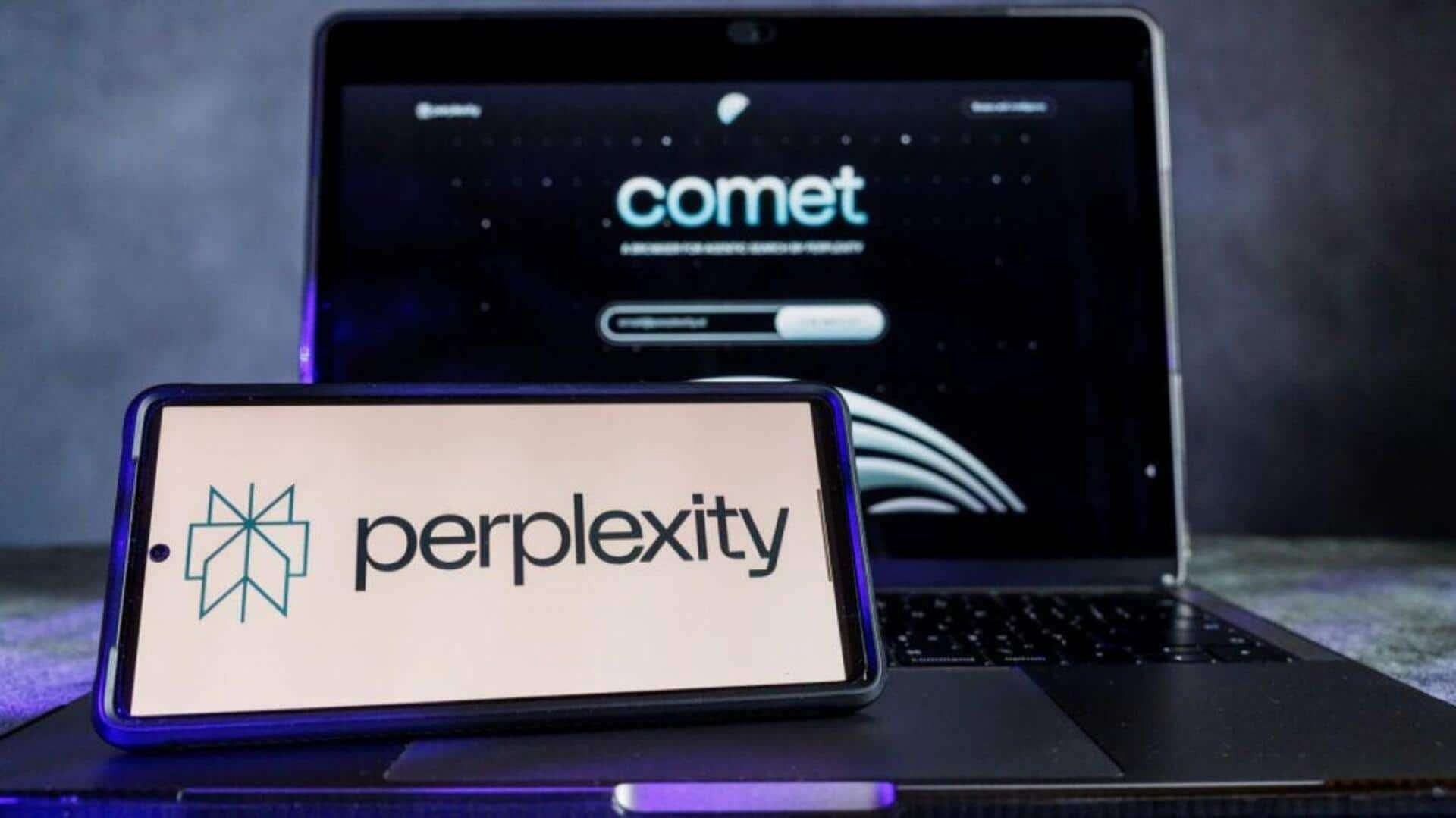
Perplexity has officially made its AI-powered Comet browser available to all users globally at no cost, moving beyond its previous Max-subscriber exclusivity. This free access includes core AI browser features such as a sidecar assistant that can summarize pages, answer queries, and assist with navigation. For those on the Max plan, the company is also rolling out a new “background assistant” capable of autonomously performing multi-step tasks behind the scenes, such as booking travel or managing emails. The freemium shift is seen as Perplexity’s strategic bid to challenge established browsers and redefine how we interact with the web.
Sources: Business Insider, TechCrunch
Key Takeaways
– Comet is now free for all users, though free access comes with usage limits — advanced features and fewer restrictions remain part of paid tiers.
– Max plan users receive exclusive access to a background assistant that can autonomously execute complex tasks, under oversight.
– The move positions Comet as a bold competitor to mainstream browsers, but success will hinge on stability, trust, and whether users adopt AI-native browsing.
In-Depth
In a move that reshapes its business model and raises the stakes in the browser wars, Perplexity has opened up its AI-native browser, Comet, to all users at no cost. Previously reserved for its $200/month Max subscribers, Comet is now offered to everyone, albeit with usage restrictions, while Pro and Max tiers retain priority access to premium features. The shift underscores Perplexity’s ambition to make AI-integrated browsing a mainstream experience rather than a niche luxury.
At its heart, Comet is built on Chromium technology, preserving compatibility with familiar browser extensions, bookmarks, and tab functionality. But it layers in a persistent AI “sidecar assistant” that rides along as you browse: it can summarize complex web pages, respond to queries based on page context, navigate links on your behalf, and help with day-to-day tasks like travel research, shopping comparisons, or content discovery. In essence, Comet blurs the line between search engine and productivity tool, positioning browsing itself as an AI-augmented experience rather than just a passive act.
For Max subscribers, Perplexity is offering a new feature called the “background assistant.” This is more ambitious: you can assign multi-step tasks—booking tickets, drafting emails, comparing flights—and then monitor progress via a dashboard. You can intervene when needed or let the assistant carry on while you focus on other things. It’s an agentic vision of how AI could offload routine browser work entirely.
But there are a few significant hurdles. First, free users will face usage limits on the AI features, which might throttle mass adoption if the constraints feel too restrictive. Second, users will need confidence in reliability, accuracy, and transparency, especially when AI is making decisions on their behalf. Mistakes or misinterpretations could erode trust quickly. Third, Perplexity must contend with established browser giants and other AI-integrated rivals—for example, Microsoft‘s new Copilot Mode in Edge and upcoming AI enhancements in Chrome. The timing of the freemium rollout is strategic: it lowers the barrier to entry and lets more users experience Comet’s differentiators firsthand.
From a broader perspective, this move signals a shift in how we conceive browsers. Rather than being mere gateways to web pages, they may now act as intelligent intermediaries, navigating and interpreting the web in real time. If Perplexity can deliver consistent performance and maintain user trust, its gamble could nudge the industry toward more agentic, AI-native web interactions.