

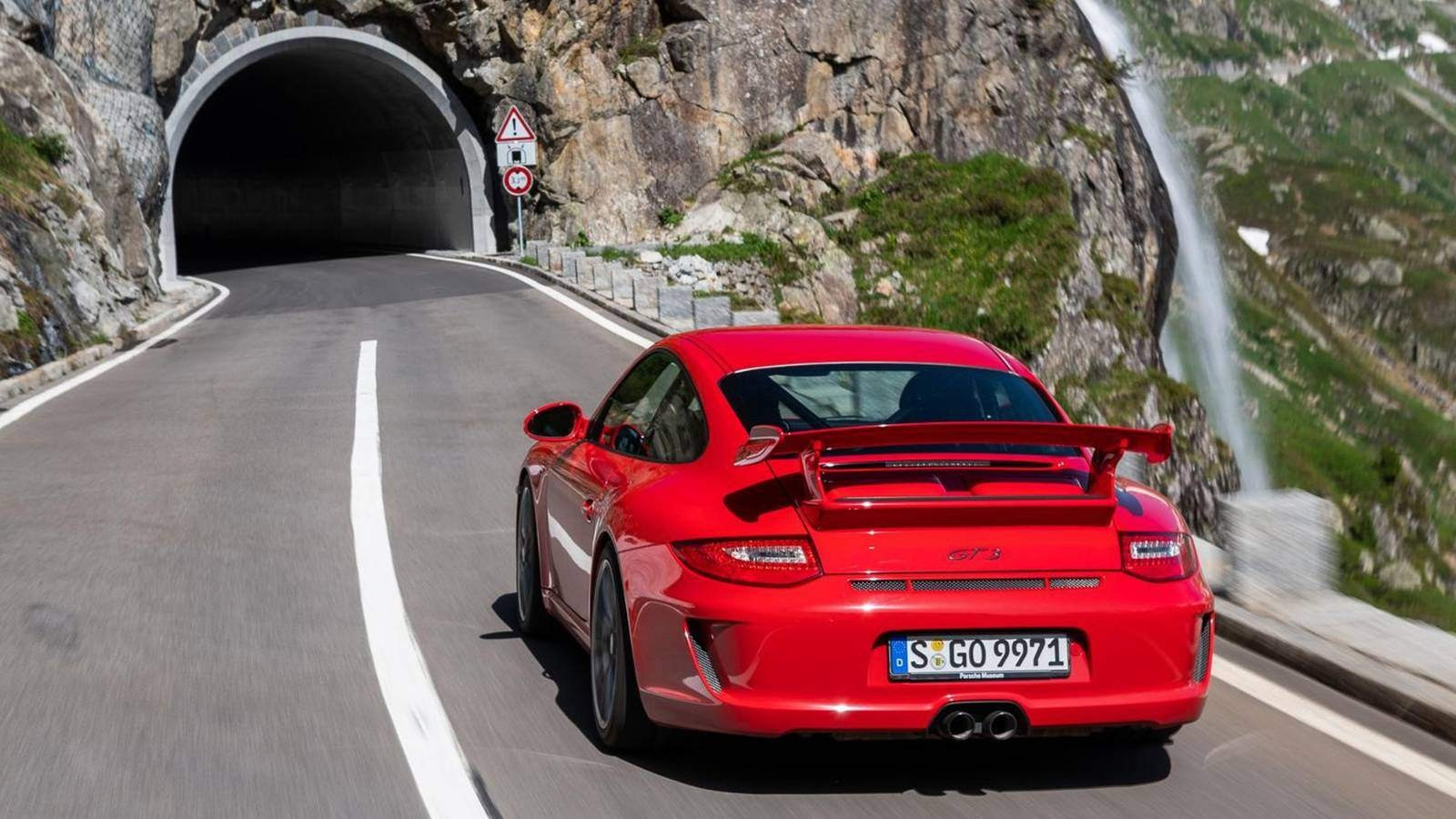
German automaker Porsche has filed a patent for what it calls “Tunnel Mode,” a system designed to detect when a car is entering a tunnel and automatically enhance (or optionally suppress) the vehicle’s acoustic and driving-feel experience. According to reports, the system uses cameras, GPS or sensor data to anticipate a tunnel entry, then can prompt the car to drop a gear, open windows/roof panels, open exhaust flaps (or increase synthetic noise in EVs), activate sport mode, and tailor the climate and suspension for maximum enjoyment — while an alternate quieter “mode” locks up windows, closes exhaust flaps and uses active noise cancellation for stealthy passage. The feature, while still just a patent filing and not guaranteed to reach production, highlights Porsche’s willingness to pursue playful, sensory-rich driving innovations rather than pure efficiency or autonomy.
Sources: The Drive, Road & Track
Key Takeaways
– Porsche’s “Tunnel Mode” patent emphasizes driver emotional engagement — deliberately amplifying the aural and sensory elements of entering a tunnel rather than suppressing them.
– The system is dual-mode: one to magnify the thrill (downshift, exhaust roar, windows down) and one to minimize distraction (quiet mode) depending on driver preference or context.
– While it’s a patent and not yet confirmed for production, this move suggests Porsche still places value on driving experience and brand-character over purely utility or electrification concerns.
In-Depth
Automotive enthusiasts have a soft spot for the sound echoing through a tunnel, the rev-hang as the car transitions into the enclosed space, a fleeting but thrilling moment captured by the right machine. The folks at Porsche, it seems, have recognized this and taken it one step further by filing a patent for a so-called “Tunnel Mode.” According to the published documents, when the system detects an upcoming tunnel via onboard camera, GPS or other sensors, it can prompt the vehicle to prepare for the passage: open windows or roof panels, activate a sport driving mode, drop a gear in a manual/automatic combo, perhaps open exhaust flaps or engage synthetic engine/EV sound in the case of electric models. In short, the tunnel becomes not just a transient environment but a designed experience.
Importantly, the mode is not solely about noise and exuberance. The patent also describes a “quiet” option: roll up windows, close exhaust flaps, engage active noise cancellation to provide a serene tunnel crossing. That dual-mode approach gives the driver choice — whether they want the full sensory kick of a sports car echoing through concrete walls, or the hushed camouflage of a luxury grand tourer slipping through silently. The patents make clear this is for upcoming Porsche vehicles and possibly their electrified portfolio, though as with all patents, the technology may never see production — it may sit as a “what if” on the drawing board.
From a conservative viewpoint one might applaud this as a reaffirmation of the driving machine tradition: even as the industry moves toward electrification, autonomy and software-defined features, Porsche appears to be safeguarding the visceral connection between driver, machine and moment. The question remains, of course, whether this will be a gimmick or a genuinely refined new dimension of driving experience. It’s also worth noting the practicalities: windows open inside tunnels raise safety and regulatory questions (for example, emissions and noise laws in different jurisdictions) and the system’s value will vary by market. But for driving purists and brand loyalists, it signals an automaker still intent on delivering emotional appeal—not just spreadsheets and range numbers.
In sum, Porsche’s Tunnel Mode patent may strike some as whimsical, even indulgent, but it speaks to a broader trend: as cars become ever more digitally defined, differentiated sensory modes are becoming a battleground. If one wants silence and smoothness, you get “quiet” mode; if you want theatrics and roar, you get the pumped-up tunnel experience. Whether it becomes reality or stays on paper, the patent is a statement of intent: the driving thrill still matters.