

Close Menu

    Subscribe to Updates

    Get the latest creative news from FooBar about art, design and business.

    What's Hot

    Amazon Stock Hits Worst Losing Streak Since 2006 Amid Investor AI Spending Fears

    February 17, 2026

    Why Your Personal Data Keeps Showing Up on the Dark Web as It Grows

    February 17, 2026

    U.S. Automakers Recalibrate EV Strategy as Federal Subsidies End and Demand Wanes

    February 17, 2026
    Facebook X (Twitter) Instagram
    • Tech
    • AI News
    • Get In Touch
    Facebook X (Twitter) LinkedIn
    TallwireTallwire
    • Tech

      U.S. Automakers Recalibrate EV Strategy as Federal Subsidies End and Demand Wanes

      February 17, 2026

      Roku Plans Streaming Bundles Push to Boost Profitability in 2026

      February 17, 2026

      Meta Plans Facial Recognition for Smart Glasses Amid Privacy Pushback

      February 17, 2026

      Spotify Developers Haven’t Written Code Since December Thanks to AI Transformation

      February 16, 2026

      Waymo Goes Fully Autonomous in Nashville, Tennessee

      February 16, 2026
    • AI News

      Amazon Stock Hits Worst Losing Streak Since 2006 Amid Investor AI Spending Fears

      February 17, 2026

      Why Your Personal Data Keeps Showing Up on the Dark Web as It Grows

      February 17, 2026

      Behind the AI Industry’s Burnout and Turnover Crisis

      February 17, 2026

      Meta Plans Facial Recognition for Smart Glasses Amid Privacy Pushback

      February 17, 2026

      Airbnb Shifts One-Third Of Customer Support To AI In North America

      February 17, 2026
    • Security

      Why Your Personal Data Keeps Showing Up on the Dark Web as It Grows

      February 17, 2026

      Fintech Lending Giant Figure Confirms Significant Data Breach Exposing Customer Records

      February 17, 2026

      US Lawmakers Urge Tighter Export Controls to Curb China’s Access to Chipmaking Equipment

      February 16, 2026

      Senator Raises Questions On eSafety Crackdown And Potential Strain On US-Australia Relationship

      February 16, 2026

      AI Safety Researcher Resigns, Warns ‘World Is in Peril’ Amid Broader Industry Concerns

      February 15, 2026
    • Health

      UK Kids Turning to AI Chatbots and Acting on Advice at Alarming Rates

      February 16, 2026

      Landmark California Trial Sees YouTube Defend Itself, Rejects ‘Social Media’ and Addiction Claims

      February 16, 2026

      Instagram Top Executive Says ‘Addiction’ Doesn’t Exist in Landmark Social Media Trial

      February 15, 2026

      Amazon Pharmacy Rolls Out Same-Day Prescription Delivery To 4,500 U.S. Cities

      February 14, 2026

      AI Advances Aim to Bridge Labor Gaps in Rare Disease Treatment

      February 12, 2026
    • Science

      XAI Publicly Unveils Elon Musk’s Interplanetary AI Vision In Rare All-Hands Release

      February 14, 2026

      Elon Musk Shifts SpaceX Priority From Mars Colonization to Building a Moon City

      February 14, 2026

      NASA Artemis II Spacesuit Mobility Concerns Ahead Of Historic Mission

      February 13, 2026

      AI Agents Build Their Own MMO Playground After Moltbook Ignites Agent-Only Web Communities

      February 12, 2026

      AI Advances Aim to Bridge Labor Gaps in Rare Disease Treatment

      February 12, 2026
    • People

      Google Co-Founder’s Epstein Contacts Reignite Scrutiny of Elite Tech Circles

      February 7, 2026

      Bill Gates Denies “Absolutely Absurd” Claims in Newly Released Epstein Files

      February 6, 2026

      Informant Claims Epstein Employed Personal Hacker With Zero-Day Skills

      February 5, 2026

      Starlink Becomes Critical Internet Lifeline Amid Iran Protest Crackdown

      January 25, 2026

      Musk Pledges to Open-Source X’s Recommendation Algorithm, Promising Transparency

      January 21, 2026
    TallwireTallwire
    Home»Tech»Pressure Ramps Up on Trump Over TikTok Deal, Free Speech, and Tech Policy
    Tech

    Pressure Ramps Up on Trump Over TikTok Deal, Free Speech, and Tech Policy

    5 Mins Read
    Facebook Twitter Pinterest LinkedIn Tumblr Email
    Pressure Ramps Up on Trump Over TikTok Deal, Free Speech, and Tech Policy
    Pressure Ramps Up on Trump Over TikTok Deal, Free Speech, and Tech Policy
    Share
    Facebook Twitter LinkedIn Pinterest Email

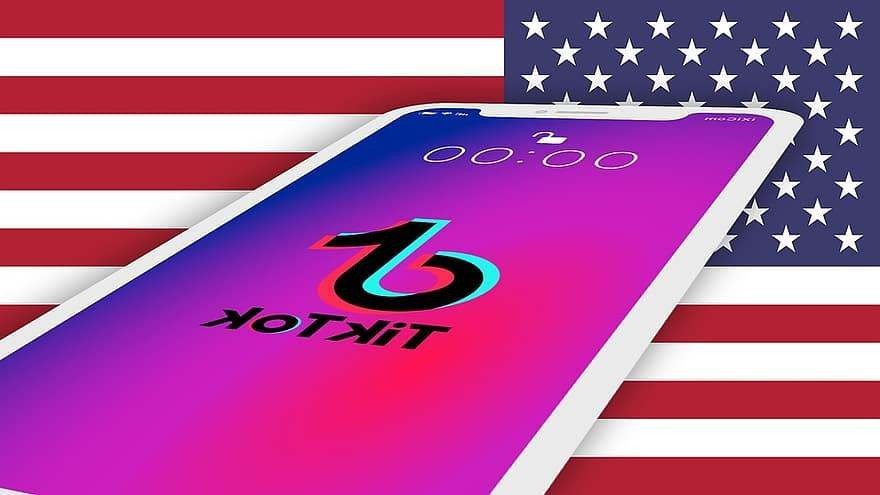
    Senator Edward Markey, in a recent interview and follow-up actions, sharply criticized the Trump administration’s approach to online platforms, free speech, and tech policy. In an appearance on The Verge’s “Decoder” podcast, Markey accused the Federal Communications Commission under Chairman Brendan Carr of undermining First Amendment protections by coercing media companies and said Trump’s handling of the TikTok divestiture law — passed by Congress and upheld by the Supreme Court — raises concerns about executive overreach and transparency regarding negotiations with ByteDance and potential U.S. partners. Markey has also formally pressed President Trump for detailed information on a reported TikTok deal that would defer enforcement of the ban law, highlighting confusion over whether China has agreed to terms and whether the national security issues at stake are being properly addressed. This push aligns with broader debates over the constitutional implications of restricting TikTok’s operations in the U.S. and the balance between national security and free speech.

    Sources: Reuters, Washington.edu

    Key Takeaways

    – Senator Markey has publicly challenged the Trump administration over both alleged encroachments on free speech and a lack of clarity around TikTok’s future under U.S. law.

    – A bipartisan law requiring TikTok’s U.S. operations to divest from its Chinese parent was upheld by the Supreme Court, but enforcement has been delayed by executive action pending a reported deal that remains opaque.

    – The situation highlights a broader national debate over how to balance national security with civil liberties such as free speech, particularly on digital platforms used by millions of Americans.

    In-Depth

    The ongoing saga around TikTok, federal tech policy, and free speech has transcended routine legislative debate and entered the realm of a constitutional and political flashpoint. Senator Edward Markey of Massachusetts, an influential Democrat on national security and technology issues, has emerged as a vocal critic of how the current administration is managing these intertwined concerns. His recent interview on Decoder, hosted by The Verge, underscored deep frustrations with perceived opacity in the executive branch’s dealings over TikTok’s fate and broader questions about civil liberties online.

    At the heart of the controversy is a 2024 law passed by Congress — the Protecting Americans from Foreign Adversary Controlled Applications Act — which requires foreign-controlled apps like TikTok, owned by China-based ByteDance, to divest or face a ban in the United States. The Supreme Court upheld this law despite First Amendment challenges, affirming that the government’s interest in national security justified the statutory scheme. Yet the current administration, led by President Trump, has delayed enforcement of the law through an executive order that supposedly paves the way for a deal to keep TikTok’s U.S. operations alive under new ownership terms.

    Markey, who supported the original ban but is now questioning how the reported deal has been constructed, has demanded transparency about the exact terms, whether China has truly consented, and how Americans’ data and national security concerns are being safeguarded. His letter to the president, delivered alongside requests from other lawmakers, reflects a broader unease among legislators that executive action may be proceeding with insufficient congressional oversight or public disclosure.

    This issue dovetails with larger debates about the role of federal agencies like the Federal Communications Commission under Chairman Brendan Carr, whom Markey accused on Decoder of transforming the FCC into what he called a “Federal Censorship Commission.” Markey argued that regulatory pressure on media companies, including potential fines and license threats, chills free speech and undercuts First Amendment protections. Critics of this view say that FCC actions are instead measures to enforce existing standards and ensure fairness, but Markey sees them as part of a trend toward heavy-handed intervention in speech and information flows — a concern amplified when paired with debates about TikTok, algorithms, and who controls the channels through which millions of Americans communicate.

    More broadly, the clash highlights the friction between national security imperatives and civil liberties. TikTok’s vast user base, especially among younger Americans, has made it a focal point not just for concerns about foreign influence or data access, but also for arguments that banning or restricting the platform would infringe on speech rights. Organizations and legal scholars have weighed in on both sides, with some asserting that a total ban would set a troubling precedent for digital expression and others arguing that national security considerations justify strong measures against platforms tied to foreign adversaries.

    As Markey’s push for answers continues, the situation remains uncertain. Lawmakers are split not only along partisan lines but also on how best to uphold constitutional protections while addressing legitimate security concerns. Whether the TikTok deal materializes in a transparent, legally sound form — or whether further legal challenges or legislative action will follow — is still to be seen. What is clear, though, is that the tech policy landscape in Washington is increasingly contentious, and issues once confined to technical regulatory spheres have erupted into the heart of national political discourse.

    Share. Facebook Twitter Pinterest LinkedIn Tumblr Email
    Previous ArticlePorsche Patents “Tunnel Mode” To Amp Up (or Mute) the Thrill of Driving Through a Tunnel
    Next Article Privacy Breach Erupts as Private Numbers of Political Leaders Surface Online

    Related Posts

    U.S. Automakers Recalibrate EV Strategy as Federal Subsidies End and Demand Wanes

    February 17, 2026

    Roku Plans Streaming Bundles Push to Boost Profitability in 2026

    February 17, 2026

    Meta Plans Facial Recognition for Smart Glasses Amid Privacy Pushback

    February 17, 2026

    Spotify Developers Haven’t Written Code Since December Thanks to AI Transformation

    February 16, 2026
    Add A Comment
    Leave A Reply Cancel Reply

    Editors Picks

    U.S. Automakers Recalibrate EV Strategy as Federal Subsidies End and Demand Wanes

    February 17, 2026

    Roku Plans Streaming Bundles Push to Boost Profitability in 2026

    February 17, 2026

    Meta Plans Facial Recognition for Smart Glasses Amid Privacy Pushback

    February 17, 2026

    Spotify Developers Haven’t Written Code Since December Thanks to AI Transformation

    February 16, 2026
    Top Reviews
    Tallwire
    Facebook X (Twitter) LinkedIn Threads Instagram RSS
    • Tech
    • Entertainment
    • Business
    • Government
    • Academia
    • Transportation
    • Legal
    • Press Kit
    © 2026 Tallwire. Optimized by ARMOUR Digital Marketing Agency.

    Type above and press Enter to search. Press Esc to cancel.