

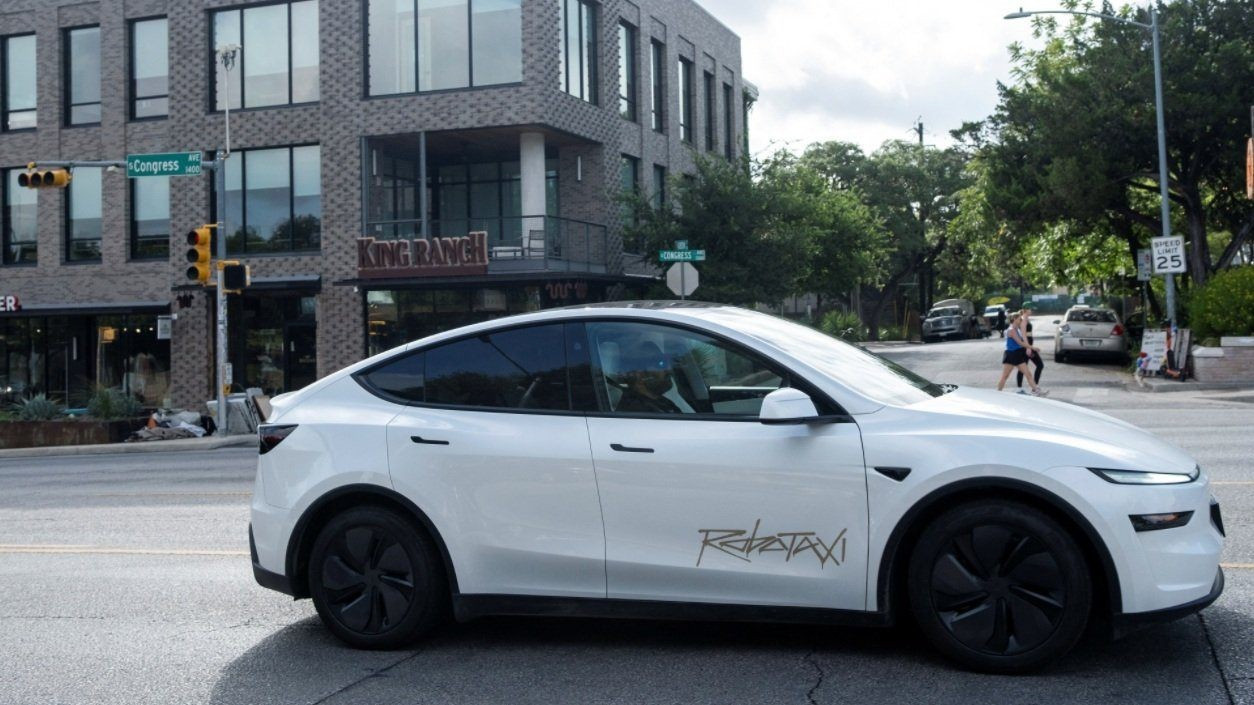
Elon Musk‘s recent announcements that Tesla is moving forward with its robotaxi service in the San Francisco Bay Area have triggered alarm and confusion among California regulators who insist the company has not secured the full set of permits needed to operate commercially driverless ride services. According to emails obtained by Reuters, Tesla has publicly claimed regulatory approval, yet in reality has only applied for or received permissions to test with safety drivers—not the full permits for driverless testing or deployment. Despite launching a limited ride-hailing service in the Bay Area (including San Francisco, San Jose, Berkeley), those rides are conducted with human drivers behind the wheel, and Tesla has conspicuously avoided clarifying that the service does not meet legal definitions of robotaxi under California law. Meanwhile, state agencies including the California DMV and CPUC have pushed back, stressing that misleading public statements risk regulatory, legal, and safety consequences.
Sources: ABC7 San Francisco, The Verge
Key Takeaways
– Tesla’s public messaging has outpaced its regulatory approvals; the company is operating under testing and ride-hailing permits with human safety drivers, not licensed driverless robotaxis.
– California regulators (DMV, CPUC, etc.) are expressing concern that Tesla’s claims may mislead the public about what the service actually is, and they are pressing Tesla to clarify the status and abide by California’s regulatory regime.
– The gap between Tesla’s ambition / messaging and its legal compliance introduces risks — including potential legal actions, public safety scrutiny, and delays in broader deployment.
In-Depth
Tesla’s push to introduce robotaxis in the San Francisco Bay Area — and Elon Musk’s public framing of that initiative — has stirred a complicated mix of anticipation, regulatory scrutiny, and concern about transparency. The core tension lies in the dissonance between what Tesla says it intends (or implies) and what it is actually authorized to do under current law.
The company has long presented its Full Self-Driving (FSD) ambitions, with Musk suggesting Tesla is on the cusp of operating a fully autonomous ride-hailing fleet. But California law requires several distinct permits for that to happen: testing with safety drivers, fully driverless testing, and commercial deployment. As of now, Tesla holds only permits that allow it to test on public roads with safety drivers.
Complicating matters, Tesla has begun a limited ride-hailing service in the Bay Area — but with human drivers still behind the wheel. The company has not obtained approval to operate a robotaxi service that is fully autonomous or that carries fare-paying passengers under driverless operation. Regulators have emphasized that some of Tesla’s statements, especially from its CEO, risk giving the impression that fully driverless rides are imminent. That impression clashes with the current legal reality.
From the regulator’s standpoint, clarity and compliance are non-negotiable. California agencies like the DMV and the Public Utilities Commission (CPUC) are insisting Tesla not only apply for the required permits but also avoid communications that could mislead consumers about safety or the level of automation in use. The core concern is that ambiguous statements could lead to safety risks, public misunderstanding, and ultimately undermine trust in autonomous vehicle deployment more broadly.
At the same time, Tesla appears eager to build narrative momentum: robotaxi visions align with its long-term business plans and investor expectations. But until all legal and regulatory boxes are checked — permits granted, systems audited, messaging clarified — the company will face pushback. The misalignment between message and permit status isn’t just about optics; it poses legal, safety, and reputational risks. For regulators, this moment underlines the challenge: balancing innovation’s promise with the need for public safety and legal accountability.