

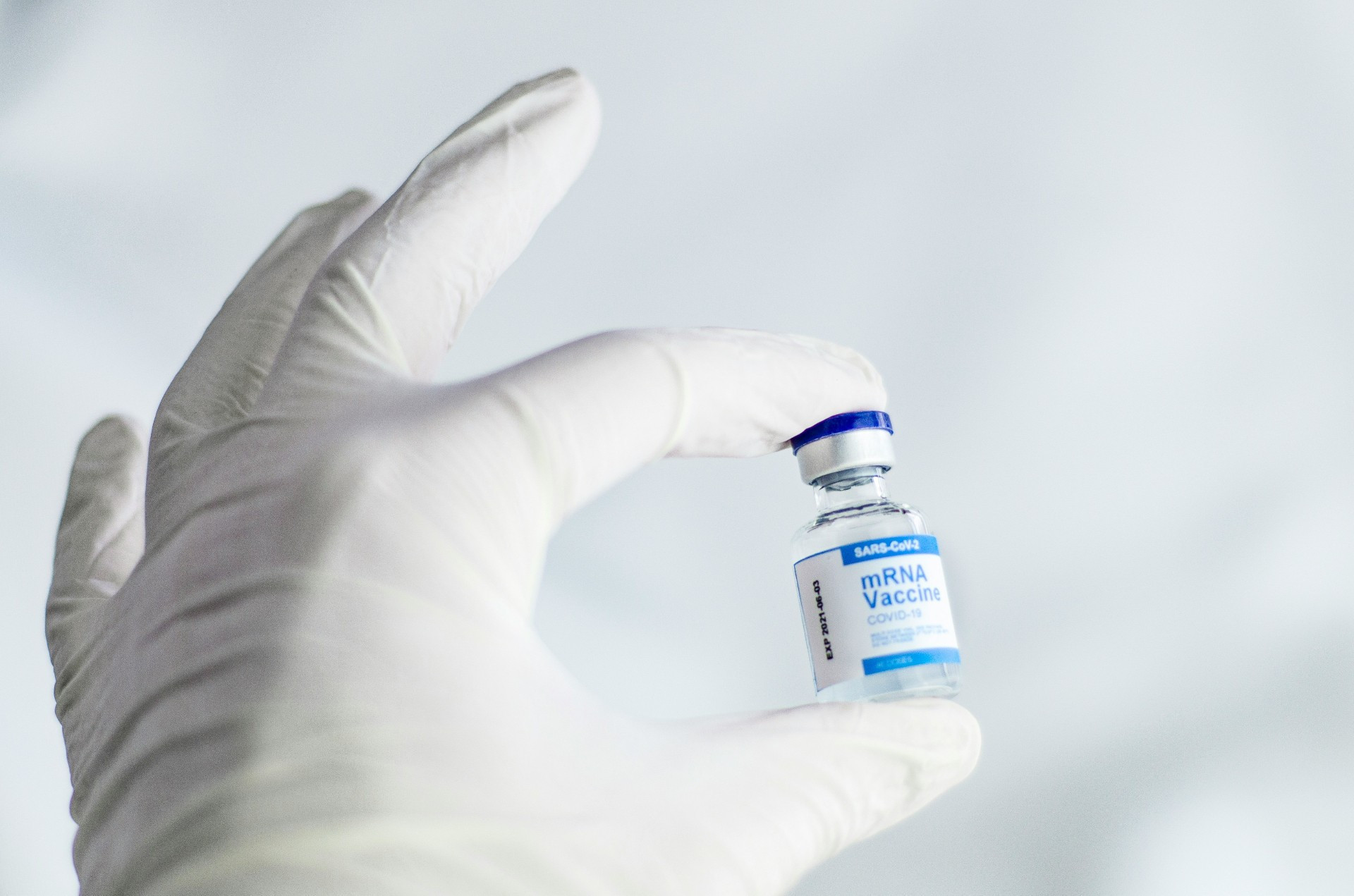
Photo credit: Spencer Davis on Unsplash
In a recent report by Business Today (India), Russia’s Gamaleya Research Institute revealed that skin cancer patients may receive the nation’s first personalized cancer vaccine as early as September–October 2025. The announcement comes directly from Alexander Gintsburg, the institute’s director, via a RIA Novosti interview.
Personalized Therapy, Not a Traditional One-Size-Fits-All Drug
Gintsburg emphasized:
“The drug is entirely personalized, created specifically for each patient using their unique tumor data, and cannot be used for anyone else.”
This bespoke mRNA treatment is tailor‑made using AI-based algorithms to decode a patient’s tumor genetics, develop a unique blueprint, and manufacture the vaccine within roughly one week—an agile turnaround enabled by neural network-driven modeling.
Trial Scope and Regulatory Designation
The initial trials, approved by the Russian Ministry of Health, will take place at Moscow’s Hertsen Research Institute and the N.N. Blokhin Cancer Center. Gintsburg noted this falls under a specialized regulatory process established for individualized biologics—“fundamentally different from the registration of standard drugs”
Although the vaccine is targeting melanoma (skin cancer) first, expansion is planned for pancreatic, kidney, and non‑small‑cell lung cancers, considered among the most challenging to treat
Preclinical Momentum & Human Data
According to Gintsburg, the program began in mid‑2022. Early animal studies—and limited human testing—have shown encouraging outcomes, including tumor suppression and metastasis reduction
Government Rollout & Scale
The Russian government plans to distribute the treatment free to its citizens—estimating production costs at about 300,000 rubles (about US $2,870) per dose, as previously confirmed by Russian health officials, including Andrey Kaprin, head of the Radiology Medical Research Centre
With approximately 4 million cancer patients and 625,000 new diagnoses annually in Russia, the vaccine could improve the nation’s push toward personalized oncology
Summing up: Real or Exaggerated?
Russia’s cancer vaccine is more than media hype, but it remains unproven until full clinical data are released. If Phase I trials beginning in late 2025 validate safety and efficacy, this mRNA‑AI hybrid model may represent one of the first scalable personalized cancer therapies. Until then, optimism should be cautiously measured.