

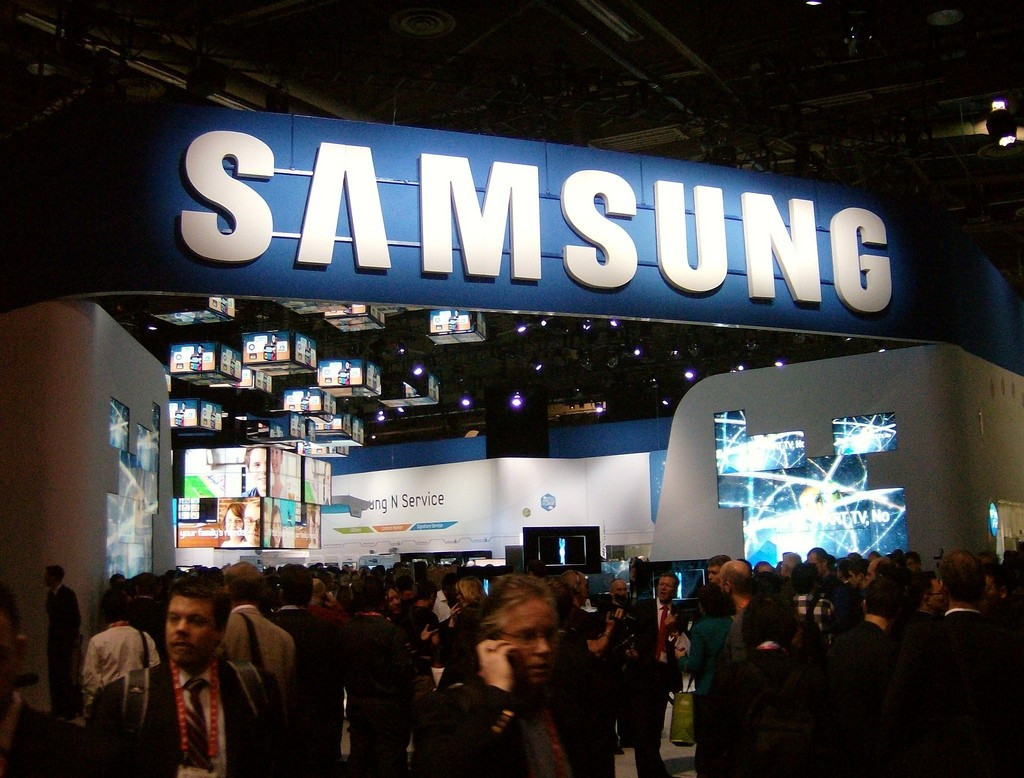
Samsung is reportedly integrating the AI search startup Perplexity into its next-generation Galaxy S26 lineup, signaling a strategic pivot in the escalating artificial intelligence arms race among smartphone makers. The move would embed Perplexity’s conversational search capabilities directly into Galaxy AI, potentially offering users an alternative to default search engines and tightening Samsung’s control over its AI ecosystem. As Big Tech companies jockey for dominance in generative AI, Samsung appears determined to diversify beyond existing partnerships and give its flagship devices a differentiated edge. By weaving Perplexity’s real-time, citation-backed answers into system-level functions, Samsung may be positioning the S26 series as a more open, competition-driven platform at a time when regulatory scrutiny over search monopolies is intensifying. The integration underscores how AI is rapidly becoming the defining battleground for smartphone innovation, with manufacturers racing to secure partnerships that reduce dependence on entrenched players and expand consumer choice.
Sources
https://www.engadget.com/ai/samsung-is-adding-perplexity-to-galaxy-ai-for-its-upcoming-s26-series-203729539.html
https://www.theverge.com/2026/02/21/samsung-galaxy-s26-perplexity-ai-integration-report
https://www.reuters.com/technology/samsung-expand-ai-features-galaxy-s26-2026-02-21/
Key Takeaways
- Samsung is integrating Perplexity’s AI-powered search into its upcoming Galaxy S26 series, expanding Galaxy AI capabilities.
- The move may reduce reliance on traditional search partnerships and increase competition in the mobile AI space.
- AI integration at the operating system level is becoming a primary differentiator among flagship smartphones.
In-Depth
Samsung’s reported partnership with Perplexity represents more than just another software feature—it reflects a broader recalibration of power inside the smartphone ecosystem. For years, device makers have relied heavily on dominant search providers, locking in lucrative agreements but sacrificing strategic flexibility. By embedding Perplexity directly into Galaxy AI, Samsung appears to be hedging against overreliance on any single gatekeeper in the AI-driven search economy.
Perplexity’s model emphasizes conversational responses paired with source citations, appealing to users increasingly wary of opaque algorithmic answers. Integrating that capability at the system level—rather than as a standalone app—signals Samsung’s intent to compete not merely on hardware specs but on intelligence and user autonomy. If executed well, the S26 series could position itself as a more diversified AI hub rather than a device tethered to legacy search arrangements.
This development also lands amid heightened regulatory attention on digital competition. As governments scrutinize market concentration in search and AI services, Samsung’s diversification strategy may prove prescient. By broadening its AI partnerships, the company strengthens its negotiating leverage and reinforces its independence.
Ultimately, the S26’s Perplexity integration illustrates the next phase of the smartphone wars: control over AI assistants, contextual search, and embedded intelligence. Hardware remains important—but in 2026, intelligence is the new operating system.