

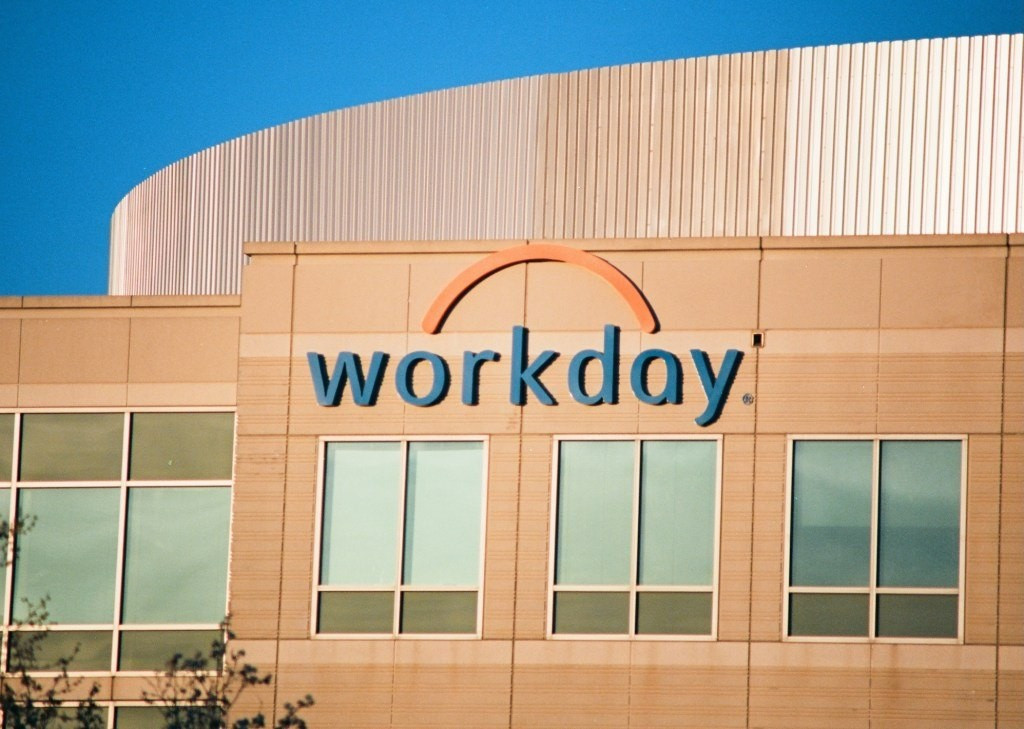
In a sobering reminder of the cybersecurity challenges even larger firms face, Workday, the HR technology heavyweight serving tens of millions worldwide, confirmed a data breach originating from a third-party CRM platform. Attackers, likely part of the ShinyHunters campaign sweeping across Salesforce-linked environments, used social engineering tactics—posing as HR or IT staff via text or phone—to extract business contact data such as names, emails, and phone numbers. While Workday insists that customer tenant data remains untouched, the exposed information could serve as fodder for further phishing or extortion attempts, underscoring the urgent need for strengthened access controls, connected-app audits, and heightened vigilance across enterprises.
Sources: CSO Online, TechCrunch, IT Pro
Key Takeways
– Social engineering is still proving alarmingly effective—even against enterprise-grade platforms like Workday and Salesforce—putting contact data at risk across the supply chain.
– While direct customer tenant data may not have been exposed, the breach highlights how peripheral systems (third-party CRM platforms) can offer a backdoor into valuable information.
– Risk management strategies must now pivot further: auditing connected apps, educating employees in recognizing deceptive outreach, and enforcing layered authentication are no longer optional—they’re essential.
In-Depth
The recent confirmation by Workday that hackers stole personal data through a third-party CRM platform highlights a sobering reality: even the most sophisticated enterprises remain vulnerable when their digital ecosystems rely heavily on interconnected services. According to Workday, the attackers gained access not by cracking core systems but by exploiting a weak point in Salesforce-linked environments, a tactic increasingly attributed to the hacker group ShinyHunters. By posing as IT or HR representatives, cybercriminals deceived users into surrendering valuable contact information, including names, email addresses, and phone numbers.
While Workday insists that customer tenant data—the heart of its HR and financial services platform—was not breached, the exposure of business contact data cannot be dismissed as harmless. Such information is often the first step in a cascading cycle of phishing attacks, impersonation schemes, and potential extortion attempts. In this case, the danger is amplified because Workday serves some of the largest corporations and government entities, making the harvested data a treasure trove for bad actors.
From a broader perspective, this breach underscores the critical importance of shoring up third-party access points. Companies often spend millions hardening their internal networks but fail to fully assess the security posture of connected applications. Conservative voices in the cybersecurity space have long warned that unchecked reliance on third-party vendors erodes resilience, effectively outsourcing risk without accountability.
The lesson is clear: enterprises must audit connected apps, reinforce multi-factor authentication, and cultivate a culture of skepticism among employees. Cybersecurity is no longer a department—it is an enterprise-wide responsibility.