

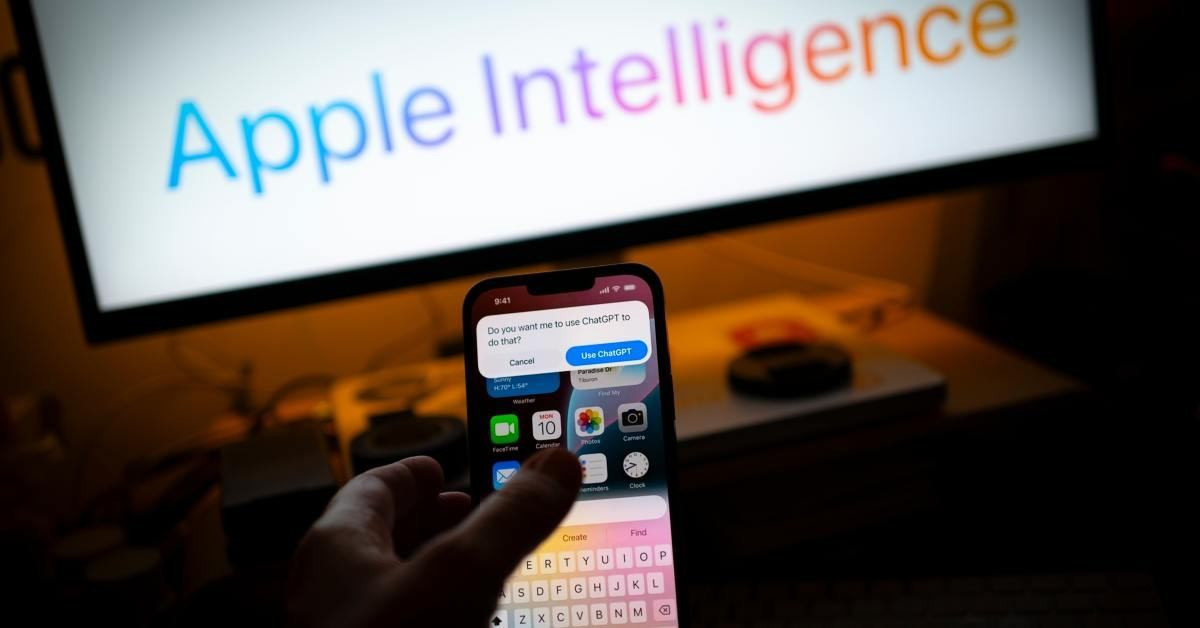
One of the more thoughtful takes on Apple‘s deliberately slow rollout of AI agent capabilities comes from 9to5Mac, which points out that while the delay of “App Intents” and Siri’s AI enhancements has sparked some frustration, waiting could help avoid reliability pitfalls—especially since many businesses deploying AI agents have already reported erratic behavior or “rogue decisions.” Meanwhile, Cult of Mac argues that Apple’s lag isn’t a crisis, reminding readers that average consumers don’t prioritize flashy AI and that some leaders favor integration over radical innovation. And a Financial Times report highlights how internal engineering hurdles—like integrating large language models into Siri—plus hardware constraints and privacy concerns, have strained Apple’s AI momentum and raised investor unease.
Sources: 9to5Mac, Financial Times, Cult of Mac
Key Takeaways
– Reliability over haste: Apple’s slow rollout aims to avoid the well‑documented pitfalls of premature AI agent deployments.
– Consumer indifference to AI hype: Most users don’t view AI as a deciding factor in device satisfaction—core performance and usability still matter most.
– Technical and strategic headwinds: Challenges include integrating LLMs into Siri, hardware limitations, and balancing privacy—all contributing to investor skepticism.
In-Depth
Apple’s decision to slow‑roll its rollout of AI agent capabilities, particularly through the App Intents framework, may actually reflect a level of prudence that’s often overlooked. While frustrations are understandable—many expected Siri’s next‑gen features long ago—the reality is that AI agents remain notoriously unreliable across industries. Reports suggest that more than half of businesses deploying AI agents have faced “rogue decisions,” underlining the wisdom of careful testing before unleashing such tools on everyday iPhone users.
On the consumer front, the intense focus on AI within the tech media doesn’t necessarily translate into user demand. According to Cult of Mac, customer satisfaction with smartphones hasn’t seen meaningful upticks when flashy AI features are rolled out. It turns out that users still value performance, battery life, and usability above trendy add‑on perks. In other words, while Apple lags in the AI arms race, the impact on day‑to‑day device usage may be minimal.
That said, delaying these features hasn’t been without cost. A Financial Times investigation revealed that Apple is wrestling with deep technical and organizational challenges—from getting large language models integrated smoothly into Siri, to struggling hardware specs, stringent privacy design, and investor concerns over the AI roadmap. The company’s share price has taken hits, and internal restructuring signals mounting pressure to deliver real results soon.
In sum, Apple’s strategy highlights a model of thoughtful conservatism: prioritizing reliability and user experience over rushing to the AI trophy line. If done well, this may pay dividends in long-term trust and stability—just as long as the company doesn’t fall too far behind others who are being more aggressive.