

WIRED’s recent article “How to Set Up and Use a Burner Phone” lays out a detailed blueprint for anyone considering portable anonymity in an age of pervasive tracking. It argues that while burner phones—especially simple flip phones with prepaid minutes—can offer substantial protection, genuine anonymity requires careful, often inconvenient steps: buying the device with cash, avoiding identifiable travel or purchase patterns, keeping it siloed from personal devices, and limiting its use to short, well-defined timeframes. WIRED also introduces the idea of “altphones”—secondary or repurposed smartphones used for lower-stakes purposes that don’t demand full anonymity but still benefit from privacy-preserving practices. The piece cautions that no device can be perfectly anonymous: even the most meticulous user may leave traces through surveillance cameras, metadata, or behavioral patterns.
Sources: Wired, How-To Geek
Key Takeaways
– Anonymity is hard, not impossible: Burners help—but only when used with care. Buying with cash, avoiding purchases in recognizable ways, limiting the device’s exposure, and disposing of it properly are all crucial. WIRED stresses these repeatedly.
– Context matters greatly: Your “risk model” (why you want privacy, who might try to surveil you, where you are) determines whether a full burner or an altphone is appropriate. For many people, partial measures (stronger device hygiene, alternate accounts, encrypted apps) will offer sufficient protection.
– No solution is perfect: Even burned-phones and altphones can leak metadata, leave patterns, or be tied back via physical surveillance. Digital footprints include things like IMEI, usage behavior, Wi-Fi or tower data, purchases, or risk of being captured on camera. So risk mitigation, rather than total avoidance, is the practical aim.
In-Depth
In today’s world, our phones are more than devices—they’re private trackers, data warehouses, and surveillance vectors all in one. WIRED’s “How to Set Up and Use a Burner Phone” takes this seriously, offering a step-by-step guide for those who want to reduce their digital footprint.
True burner phones are stripped‐down devices: prepaid, often “dumb” phones (flip phones, basic models) that don’t connect to your usual accounts, services, or even your home Wi-Fi. To maximize protection, WIRED advises buying these devices with cash, at stores you don’t frequent, while wearing nondescript clothing, avoiding vehicles or transport tied to you, and delaying any activation until you’re far from your routines. Every connection to your identity—financial, digital, spatial—weakens anonymity.
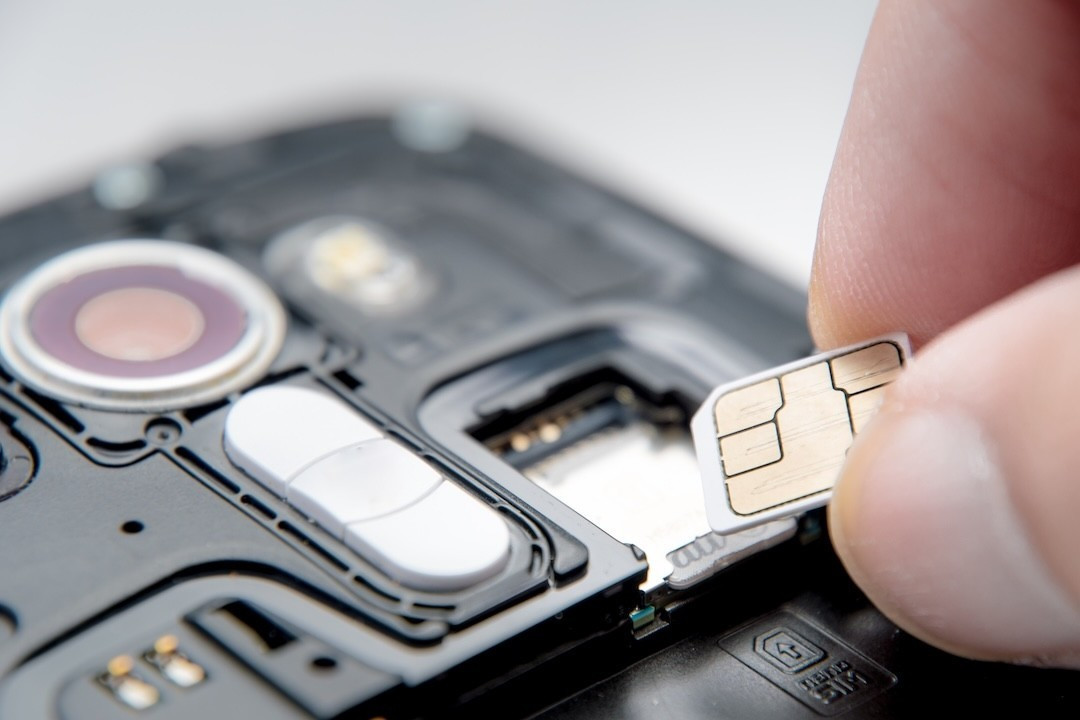
Usage is just as important. Once you’ve got a device, keep its use strictly bounded. Only turn it on when necessary, ideally in public or crowded areas. Keep it off or stored in shielding gear (like a Faraday bag) when you’re not using it. Don’t load it with your normal contact list, don’t send it your regular phone number, and avoid using it for mundane things that generate behavioral patterns or leave data trails. After use, dispose of identifying hardware (remove the SIM, delete contacts/messages) and, if needed, discard or otherwise “burn” the device so future associations are harder to trace.
But there’s a middle path: the altphone. For many people, perfect anonymity is overkill, impractical, or unnecessary. An altphone is a second smartphone or repurposed device you use for lower-risk tasks: travel, protests, or communications you’d rather not tie to your main identity. Altphones still benefit from good hygiene: factory reset (but remember, resets may not erase all hardware identifiers), no login with your real accounts, minimal apps, encrypted messaging, and using separate Wi-Fi or networks. They may not be perfect, but the trade-off of convenience versus protection can be acceptable—and still meaningful. Sources like HowToGeek warn, however, that many people assume anonymity that doesn’t exist: even a phone bought with cash can carry identifiers via its hardware, location usage, or even behavior.
Ultimately, WIRED and related guides argue that protecting your privacy in a surveillance‐heavy world is about managing risk more than eliminating it. If you understand what you’re up against—data collection, movement tracking, metadata, physical surveillance—you can make choices: burn a phone for high-risk moments; use an altphone for moderately risky ones; or simply improve your device hygiene. For most users, a layered approach—using altphones, encrypted comms, strong passcodes, avoiding connections to identity—will give meaningful protection. Only in extreme circumstances would one want to completely avoid phones. Even then, analog fallback (face-to-face, pen & paper, no devices) sometimes remains your safest option.