

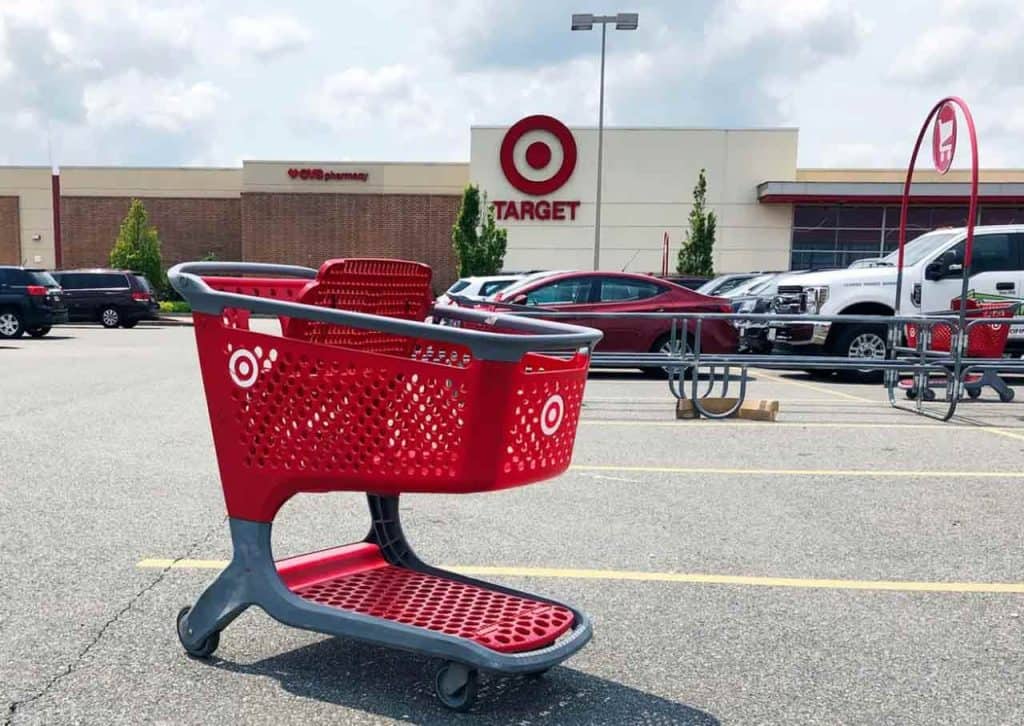
A viral warning from a worker has renewed scrutiny of technology embedded in some Target shopping baskets and carts, raising questions about how extensively retailers can monitor customers inside physical stores. The devices are Bluetooth Low Energy beacons that can communicate with intelligent LED lighting and other in-store systems, allowing the location and movement of carts or baskets to be tracked. The technology has legitimate functions, including indoor navigation, locating merchandise and delivering location-specific offers through Target’s mobile app, but its ability to generate data about how shoppers move through stores has triggered privacy concerns. Importantly, the beacon attached to a cart or basket does not itself identify the shopper or record what that person purchases; rather, it transmits location information that can potentially become more meaningful when combined with an app or other retail data. Target’s own privacy disclosures acknowledge the use of Bluetooth signals, LED-light technology and other systems for in-store location services. The controversy therefore centers less on whether tracking technology exists—it clearly does—than on how much consumers understand about it and whether retailers provide sufficiently conspicuous notice and meaningful control over location-based data collection.
Key Takeaways
- Bluetooth beacons mounted on some shopping baskets or carts can communicate with smart lighting infrastructure, allowing retailers to determine the equipment’s location and analyze movement through a store; the underlying technology has existed for years rather than being a newly introduced surveillance system.
- The technology should not be confused with a cart secretly recording a shopper’s identity or purchases. The beacon primarily transmits location information; personally relevant tracking becomes possible when location information interacts with the retailer’s mobile app and associated data.
- The larger issue is consumer transparency. Retailers increasingly possess the technological ability to measure physical shopping behavior with a precision once associated primarily with websites, making clear disclosure and genuine consumer choice increasingly important.
In-Depth
The controversy surrounding tracking devices found on some Target shopping carts and baskets illustrates how the data economy is moving from the computer screen into the physical marketplace. A viral video from a purported employee drew attention to small Bluetooth devices attached to shopping equipment, suggesting customers were being tracked as they moved through stores. The underlying technology is real, although some of the more alarming interpretations overstate what the devices themselves actually do.
Bluetooth Low Energy beacons can transmit location information to sophisticated in-store systems. Target has used Bluetooth-enabled LED infrastructure for years, while technology developed by Acuity Brands specifically allows sensor tags attached to assets such as shopping carts to be tracked. Acuity has openly described such systems as capable of helping retailers understand customer shopping behavior, monitor employee activity and gather business intelligence useful for merchandising and store-layout decisions.
That distinction matters. A cart beacon is not necessarily identifying the individual pushing it or independently maintaining a dossier of purchases. But when location technology is combined with a retailer’s smartphone application, customer account and transaction history, retailers potentially possess a far more comprehensive picture of consumer behavior. Target’s privacy policy explicitly acknowledges that Bluetooth signals, LED-light-chip technology and other technologies can provide in-store location services.
Consumers should therefore resist both extremes: dismissing the technology as harmless or exaggerating it into something it is not. Retailers have legitimate reasons for using indoor positioning, including navigation, inventory management and customer convenience. But technological capability should be accompanied by unmistakable disclosure. Customers deserve to know when their movements can be measured, what information is retained and whether that information can ultimately be associated with their identities or purchasing histories.
Sources
- https://tech.yahoo.com/cybersecurity/articles/fact-check-target-baskets-track-230000060.html
- https://www.the-sun.com/news/16961468/target-shopping-basket-beacons-tracking-shopper-location-in-store/
- https://techcrunch.com/2017/09/20/target-rolls-out-bluetooth-beacon-technology-in-stores-to-power-new-indoor-maps-in-its-app/
- https://investors.acuityinc.com/news-releases/news-release-details/acuity-brands-inc-demonstrates-retail-indoor-positioning-system/