

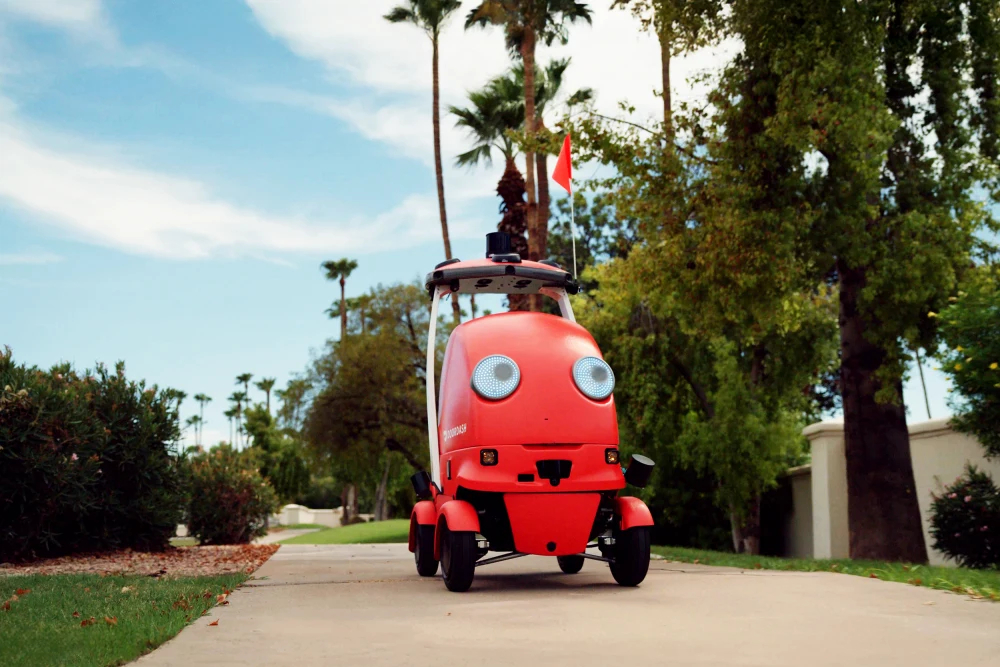
Tech companies are increasingly making their robots look and act more approachable — adding emotive features like expressive eyes, softer shapes, and human-like cues — as a way to overcome public unease and ramp up acceptance of robots in everyday life, with developers arguing that approachable designs help people feel more comfortable interacting with machines and could spur broader adoption of automation in homes and workplaces. Sources such as a recent Semafor report highlight companies like Apptronik and Fourier intentionally steering away from cold, industrial aesthetics toward warm, expressive humanoid robots, emphasizing that if people fear robots they’re unlikely to embrace them, and that design choices such as height, facial features, and tactile-friendly surfaces matter to potential users while critics say cuteness doesn’t solve functional limitations of robots and may even mislead users about what robots can actually do. Independent research shows that cute and empathetic robot designs can indeed influence how people respond to robots and that incorporating emotional or socially intelligent features shapes human comfort with machines over time.
Sources
https://www.semafor.com/article/02/04/2026/humanizing-the-machines-companies-design-robots-to-look-friendlier
https://www.aol.com/articles/tech-companies-making-robots-cute-150000007.html
https://www.pastemagazine.com/article/dont-hurt-the-cute-robots
Key Takeaways
• Tech developers are intentionally designing robots with friendlier, more emotive features to make people more comfortable with integrating robots into everyday life.
• Critics argue that aesthetic friendliness doesn’t address fundamental performance or safety issues and could create false expectations about robotic capabilities.
• Independent research suggests that cute or socially intelligent robot traits can significantly shape human attitudes and acceptance of robots.
In-Depth
In a tech landscape where artificial intelligence and robotics are rapidly advancing, many of the companies building the next generation of humanoids and service robots have shifted their focus from pure functionality to human-centered design. The underlying logic is practical: if robots look intimidating or alien, most everyday consumers and workers will resist having them in proximity. Designers at firms like Apptronik and others are adding friendly features — emotive “eyes,” softer silhouettes, smiles, and sizes closer to human proportions — in hopes that these visual and behavioral cues make robots feel more approachable and less threatening. According to industry reporting, that approach is driven by the insight that humans instinctively anthropomorphize machines and respond more positively to things that resemble social partners, whether it’s a care robot, a household assistant, or a public service bot.
This shift toward friendliness doesn’t come without skeptics. Some roboticists and observers note that making a machine look warm and cheerful doesn’t inherently solve the engineering challenges robots face in dynamic, real-world environments. Walking, manipulation, and robust sensing remain hard problems. Critics point out that a robot with big, expressive eyes might win a user’s heart at first glance but won’t magically be better at heavy lifting or precision tasks. There’s also a debate about whether overly cute design might lull people into overestimating a robot’s capabilities or emotional understanding.
Still, outside research supports the idea that aesthetics matter in human-robot interactions. Studies of social robots find that people tend to offer more positive responses and show greater comfort when interacting with robots that display cues associated with friendliness or emotional intelligence, such as facial expressions or responsive behaviors. These design decisions influence how humans connect with machines, which in turn shapes broader societal acceptance — an important consideration if robotics are to play a larger role in home care, education, therapy, or daily chores. The bottom line is that for robotics to cross the threshold from novelty and industrial automation to everyday companion and assistant, designers are betting that combining performance with approachable design will be key to winning over human users — even as they navigate criticism that aesthetics should not overshadow real-world effectiveness and safety.