

Close Menu

    Subscribe to Updates

    Get the latest creative news from FooBar about art, design and business.

    What's Hot

    Malicious Chrome Extensions Compromise 900,000 Users’ AI Chats and Browsing Data

    January 12, 2026

    Microsoft Warns of a Surge in Phishing Attacks Exploiting Misconfigured Email Systems

    January 12, 2026

    SpaceX Postpones 2026 Mars Mission Citing Strategic Distraction

    January 12, 2026
    Facebook X (Twitter) Instagram
    • Tech
    • AI News
    Facebook X (Twitter) Instagram Pinterest VKontakte
    TallwireTallwire
    • Tech

      Malicious Chrome Extensions Compromise 900,000 Users’ AI Chats and Browsing Data

      January 12, 2026

      Wearable Health Tech Could Create Over 1 Million Tons of E-Waste by 2050

      January 12, 2026

      Viral Reddit Food Delivery Fraud Claim Debunked as AI Hoax

      January 12, 2026

      Activist Erases Three White Supremacist Websites onstage at German Cybersecurity Conference

      January 12, 2026

      AI Adoption Leaders Pull Ahead, Leaving Others Behind

      January 11, 2026
    • AI News
    TallwireTallwire
    Home»Tech»Tesla’s Legal Gamble Backfires: $60 Million Offer Refused, $243 Million Verdict Ensues
    Tech

    Tesla’s Legal Gamble Backfires: $60 Million Offer Refused, $243 Million Verdict Ensues

    Updated:December 25, 20252 Mins Read
    Facebook Twitter Pinterest LinkedIn Tumblr Email
    Tesla’s Legal Gamble Backfires: $60 Million Offer Refused, $243 Million Verdict Ensues
    Tesla’s Legal Gamble Backfires: $60 Million Offer Refused, $243 Million Verdict Ensues
    Share
    Facebook Twitter LinkedIn Pinterest Email

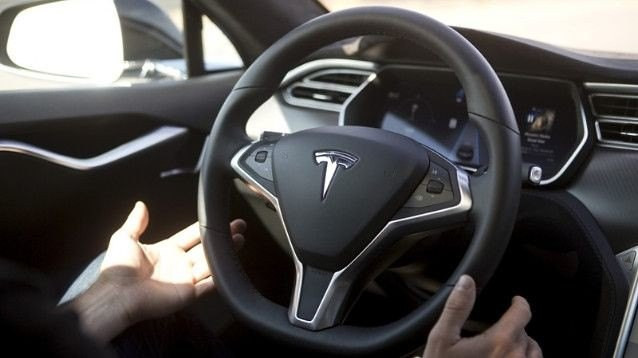
    Tesla famously rejected a $60 million settlement in a wrongful-death lawsuit stemming from a 2019 crash involving Autopilot, only to face a jury verdict ordering it to pay roughly $243 million in damages. The Miami federal court case—regarding a Model S that struck a parked SUV, killing one person and injuring another—resulted in $129 million in compensatory damages and $200 million in punitive damages, with Tesla held 33% liable and the driver responsible for the remainder. Tesla plans to appeal, arguing the ruling undermines autonomous-vehicle development, while plaintiffs’ attorneys underscore the significance of transparency over secrecy in legal settlements.

    Sources: Reuters, The Verge 

    Key Takeaways

    – Tesla’s refusal to settle for $60 million—with a confidentiality condition—opened the door to a much larger public verdict and a $243 million judgment.

    – The breakdown of the verdict: $129 million in compensatory damages (33% Tesla, 67% driver), plus $200 million in punitive damages solely against Tesla.

    – Plaintiffs’ counsel viewed public accountability as paramount, rejecting secrecy and forcing a rare jury trial involving Autopilot liability.

    In-Depth

    Tesla’s decision to turn down a $60 million settlement in the 2019 Autopilot-related crash case was a legal pivot that didn’t pay off, as a jury ultimately punished the company with a staggering $243 million verdict. That sum includes $129 million in compensatory damages—of which Tesla is responsible for a third—and $200 million in punitive damages, a clear rebuke of the company’s conduct in the eyes of the court.

    The company’s appetite for litigation over resolution surfaced when it offered a much lower counter and demanded confidentiality—a move the victims refused. Now, Tesla plans to appeal, arguing the verdict risks chilling the development of life-saving technologies.

    Their stance reflects a broader belief that public trials could deter innovation. Yet, for the plaintiffs and their attorney, Brett Schreiber, the trial was about principles: transparency, responsibility, and preventing misleading representations of Autopilot capabilities. The case signals a potential shift in how courts treat driver-assist tech disputes—it illustrates that secrecy won’t shield corporations indefinitely.

    Tesla’s usual pattern—settling quietly or winning pretrial dismissals—faces a meaningful challenge. Now the industry watches, wondering whether this verdict could become a precedent for greater legal scrutiny, stronger oversight, and more accountability for companies testing semi-autonomous driving tech on public roads.

    Share. Facebook Twitter Pinterest LinkedIn Tumblr Email
    Previous ArticleTesla Logs Record Q3 Deliveries as U.S. EV Tax Credit Expires
    Next Article Tesla’s New ‘Drowsy Driver’ Prompt Sparks Safety Concerns

    Related Posts

    Malicious Chrome Extensions Compromise 900,000 Users’ AI Chats and Browsing Data

    January 12, 2026

    Wearable Health Tech Could Create Over 1 Million Tons of E-Waste by 2050

    January 12, 2026

    Viral Reddit Food Delivery Fraud Claim Debunked as AI Hoax

    January 12, 2026

    Activist Erases Three White Supremacist Websites onstage at German Cybersecurity Conference

    January 12, 2026
    Add A Comment
    Leave A Reply Cancel Reply

    Editors Picks

    Malicious Chrome Extensions Compromise 900,000 Users’ AI Chats and Browsing Data

    January 12, 2026

    Wearable Health Tech Could Create Over 1 Million Tons of E-Waste by 2050

    January 12, 2026

    Viral Reddit Food Delivery Fraud Claim Debunked as AI Hoax

    January 12, 2026

    Activist Erases Three White Supremacist Websites onstage at German Cybersecurity Conference

    January 12, 2026
    Top Reviews
    Tallwire
    Facebook X (Twitter) Instagram Pinterest YouTube
    • Tech
    • AI News
    © 2026 Tallwire. Optimized by ARMOUR Digital Marketing Agency.

    Type above and press Enter to search. Press Esc to cancel.