

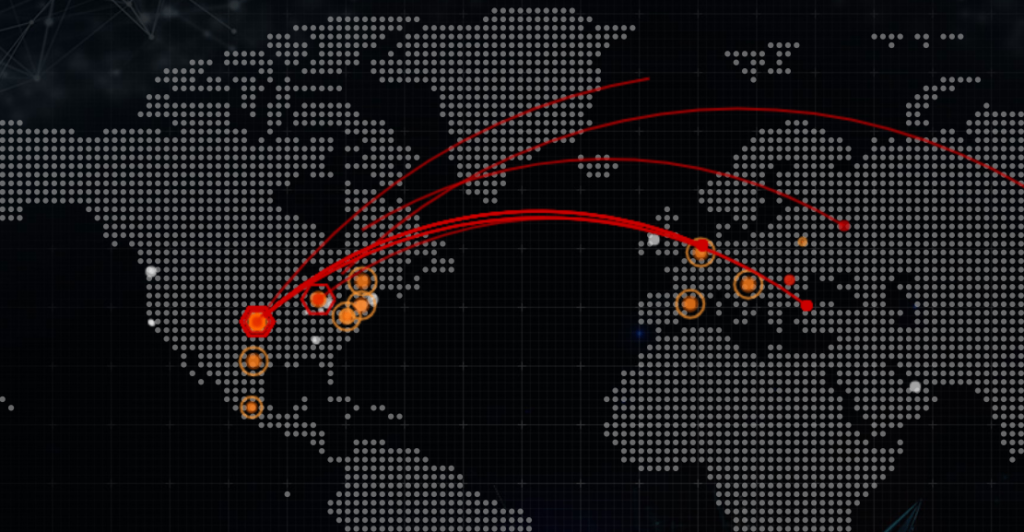
The U.S. Department of the Treasury has escalated efforts to dismantle Russian‐linked cybercrime networks by imposing sweeping sanctions on virtual currency platforms and bulletproof hosting services linked to illicit cyber operations. For instance, it has designated PM2BTC and Cryptex—crypto exchangers tied to ransomware facilitators—as significant money-laundering threats, while also targeting the Aeza Group, a Russian bulletproof hosting provider that supports ransomware gangs like BianLian. These coordinated actions underscore an intensifying, multi-pronged campaign to disrupt the infrastructure enabling cybercrimes emanating from or facilitated by Russian actors.
Sources: US Treasury Dept, Reuters, TechRadar
Key Takeaways
– The U.S. Treasury is aggressively targeting the financial backbone of Russian-linked cybercrime, particularly virtual currency exchanges complicit in laundering ransomware proceeds.
– Coordinated international sanctions—including trilateral actions with the UK and Australia—reinforce the global response to cyber threats and ransomware networks.
– By sanctioning bulletproof hosting providers like Aeza Group, authorities are disrupting not just funding channels but also the digital infrastructure that enables persistent cybercriminal operations.
In-Depth
In a clear signal to cybercriminal networks operating under the cloak of seemingly anonymous digital tools, the U.S. Treasury has escalated efforts to cut off both the financial lifelines and infrastructure support of Russian-linked cyber activities. By designating crypto platforms PM2BTC and Cryptex as entities of “primary money laundering concern,” the Treasury is targeting the arteries through which illicit ransomware proceeds flow. These sanctions are part of a broader, coordinated campaign with international partners, such as the UK and Australia, to pressure cybercrime facilitators like Evil Corp and its associates.
Yet financing is only part of the problem—criminal enterprises need digital shelter to operate. The recent sanctions against Aeza Group, a Russian bulletproof hosting provider that enabled ransomware operations by groups like BianLian, strike at that underlying infrastructure. Bulletproof hosting providers are notorious for shielding malware operations and ignoring takedown requests, so penalizing them disrupts the operational capacity of these cyber gangs.
These measures are more than punitive; they represent a calculated effort to dismantle the symbiotic ecosystem that supports cybercrime—exchanges, laundering channels, hosting services all working in concert. They show that the U.S. and allies are not only reactive but proactive, leveraging financial, legal, and digital policies in unison.
Still, the effectiveness of sanctions depends on continued international cooperation and enforcement. As such, these developments mark both a defensive posture and an offensive one—one that recognizes cybercrime as a financial, infra-structural, and sovereign challenge needing coordinated, conservative resolve to safeguard critical infrastructure and national security.