

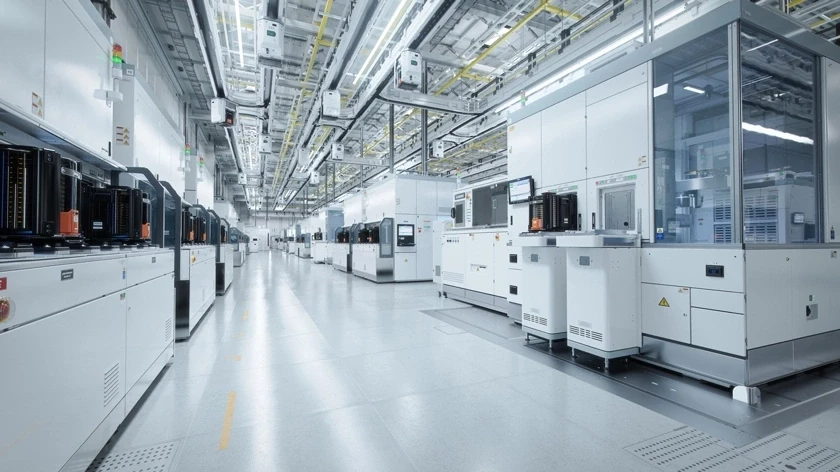
U.S. regulators have revoked longstanding “Validated End‑User” waivers that formerly let Samsung Electronics and SK Hynix import American semiconductor manufacturing tools into their Chinese fabs without case‑by‑case licenses—after a 120‑day grace period, license approval will be restricted to keeping existing facilities operational, with no expansions or tech upgrades allowed, potentially prompting both firms to rethink China strategies amid broader supply‑chain and geopolitical tensions
Sources: Reuters, Tom’s Hardware
Key Takeaways
– Stricter U.S. Export Controls: Removing the waivers means Samsung and SK Hynix must now obtain individual licenses—likely slowing upgrades and investment in Chinese operations and signaling a tougher export-control stance.
– Minimal Immediate Disruption, But Long-Term Drift: Analysts expect short-term operations to hold steady, but scenic shifts toward relocating capacity back to South Korea or elsewhere may accelerate over time.
– Winners and Losers Emerge: U.S. toolmakers like KLA, Applied Materials, and Lam Research may see reduced sales to China, while Chinese domestic equipment firms and rivals like Micron could benefit from shifting market dynamics.
In-Depth
The U.S. government has chosen to revoke previously granted exemptions that allowed Samsung and SK Hynix to receive American chipmaking gear at their Chinese fabs without repeated licensing—a move signaling intent to limit China’s access to advanced manufacturing technology, even as existing operations remain permissible with license approval. In effect, a 120-day countdown begins now for compliance; beyond that, the chipmakers may sustain operations but cannot expand or upgrade Chinese capacity without explicit new licenses.
For the time being, analysts view disruptions as limited. Both Samsung and SK Hynix have strategically shifted their latest production lines toward South Korea, and demand for “legacy” memory chips remains robust—allowing continued profitability even without immediate upgrades. That said, over time, this regulatory tightening could prompt meaningful strategic shifts: relocation of production, adjustment of global supply planning, and investments redirected to other regions.
On the broader industry front, U.S. semiconductor equipment suppliers like KLA, Lam Research, and Applied Materials may face declining sales into China due to reduced exports, while Micron and Chinese domestic equipment makers may find expanded opportunities. Geopolitically, this reversal of the Biden-era waiver reflects tightening U.S.-China tech barriers, reaffirming America’s resolve to protect high-end semiconductor advantage while balancing global supply chain stability.
In sum, the policy reversal is a calculated move: not abrupt enough to disrupt markets, but firm enough to reshape long-term strategic calculations across the semiconductor ecosystem.