

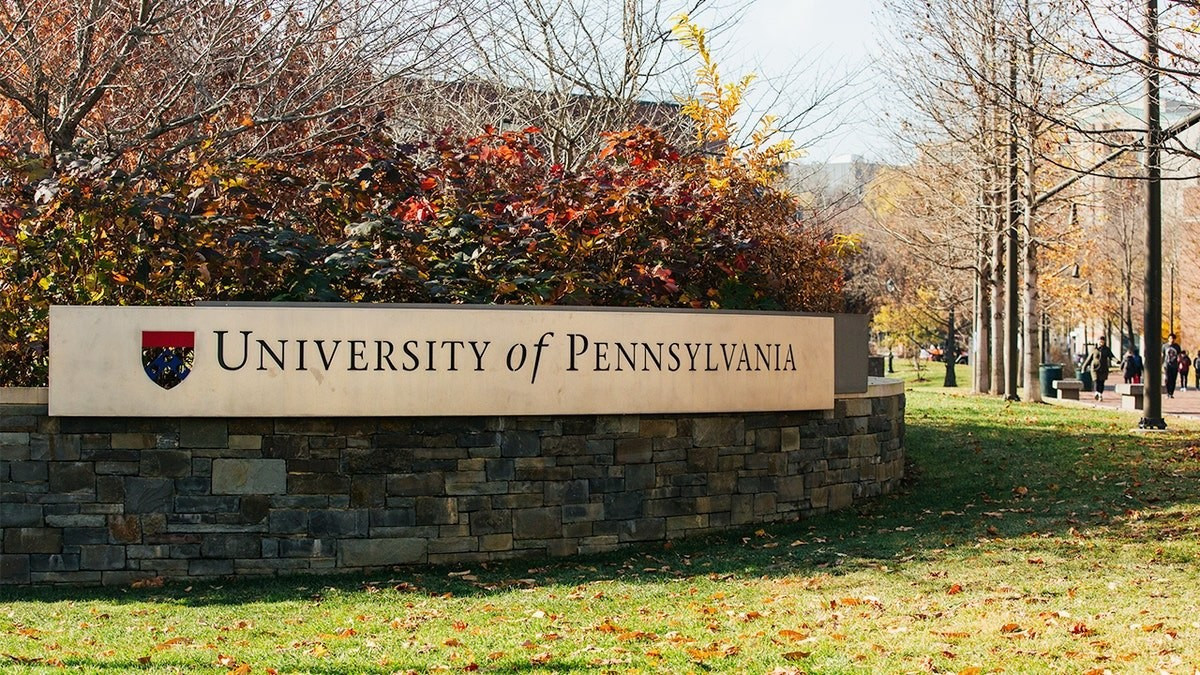
The University of Pennsylvania has officially acknowledged that it suffered a cyberattack in late October 2025, which resulted in stolen data from systems tied to its development and alumni operations. According to the university’s statement, a social-engineering attack enabled unauthorized access to several internal platforms, after which an offensive email titled “We got hacked” was sent through official university email addresses. The institution says the affected systems include its Salesforce CRM, SharePoint and Box repositories, Qlik analytics environment, and Marketing Cloud. While the university cannot yet verify the hacker’s claim of 1.2 million records stolen, the attackers released documents including donor memos, bank transaction receipts and alumni personal information, and federal law enforcement has been notified.
Sources: Bleeping Computer, GovTech.com
Key Takeaways
– The breach at the University of Pennsylvania stemmed from a social-engineering attack that leveraged compromised credentials to access key internal systems tied to alumni and donor data.
– Attackers assert they accessed around 1.2 million records and released several thousand pages of internal documents; the university is still investigating the full scope.
– The incident highlights that even elite, well-funded institutions remain vulnerable to basic security failures—raising questions about auditing, mandatory multi-factor authentication and effective oversight of privileged accounts.
In-Depth
The recent announcement from the University of Pennsylvania (Penn) of a confirmed data breach strikes at the heart of higher-education institutions’ trust relationships with alumni, donors and students. According to the November 5 announcement, the breach was discovered on October 31 and involved systems supporting development and alumni functions — including Salesforce CRM, SharePoint and Box file stores, a Qlik analytics platform and a Marketing Cloud mailing asset. In effect, the breach reached core data systems that manage alumni relations, donations, and prospect records. The university stated that access occurred via a “sophisticated identity impersonation commonly known as social engineering.”
For an institution like Penn, with substantial endowment, alumni base and global brand, the implications are significant. The attackers not only gained access — they sent an email to the community from valid @upenn.edu addresses, reading “We got hacked… all your data will be leaked, please stop giving us money.” That message, crude and confrontational, also signalled a broader motive: the attackers claim the principal objective was the donor-database, noting the “wonderfully wealthy” individuals in Penn’s records. While political rhetoric about affirmative-action policies and “woke” university culture appears in the communications, the self-professed motive is financial.
From a conservative-leaning vantage point focused on institutional accountability, this incident reveals three major fault lines. First: the failure of basic access control and MFA enforcement. The breach originated in compromised credentials tied to an employee account that accessed multiple systems; the fact that “some high-ranking officials were granted exemptions” from MFA — as referenced in the reporting — undermines the institution’s claims of a “robust” security posture. Second: risk of donor and alumni alienation. Many donors expect their personal data to be handled with utmost care; exposure of net-worth ratings, giving histories, addresses and other personally identifying information erodes confidence and may influence future philanthropy. Third: oversight and governance challenges. Universities like Penn are large bureaucracies with multiple internal stakeholders — IT, advancement, privacy offices, legal counsel. Breaches of this scale suggest a systemic lapse in aligning security and institutional risk management with operational realities.
The university has reported the incident to the Federal Bureau of Investigation and enlisted third-party cybersecurity experts to investigate. It says it will notify affected individuals “as required by applicable laws.” While that is a necessary step, the uncertainty around how many records were affected and exactly what data was accessed leaves alumni and donors hanging. More broadly, this case shines a spotlight on the need for higher-education institutions to treat cybersecurity not as a housekeeping concern but as a strategic imperative — especially for universities with global brands and significant philanthropic engagement. Institutions that assume their prestige insulates them from threat actors are likely to be proven wrong. In an era when cyber-risk is pervasive, robust controls, continuous auditing and zero-tolerance for privileged-account exceptions must become foundational.
The Penn breach may serve as a wake-up call: if an institution with Penn’s resources can be compromised in this way, then others — perhaps with fewer resources — are even more exposed. For donors, alumni and students, the takeaway is clear: remain vigilant, demand transparency from institutions entrusted with your data, and expect consequences when the trust is broken.