

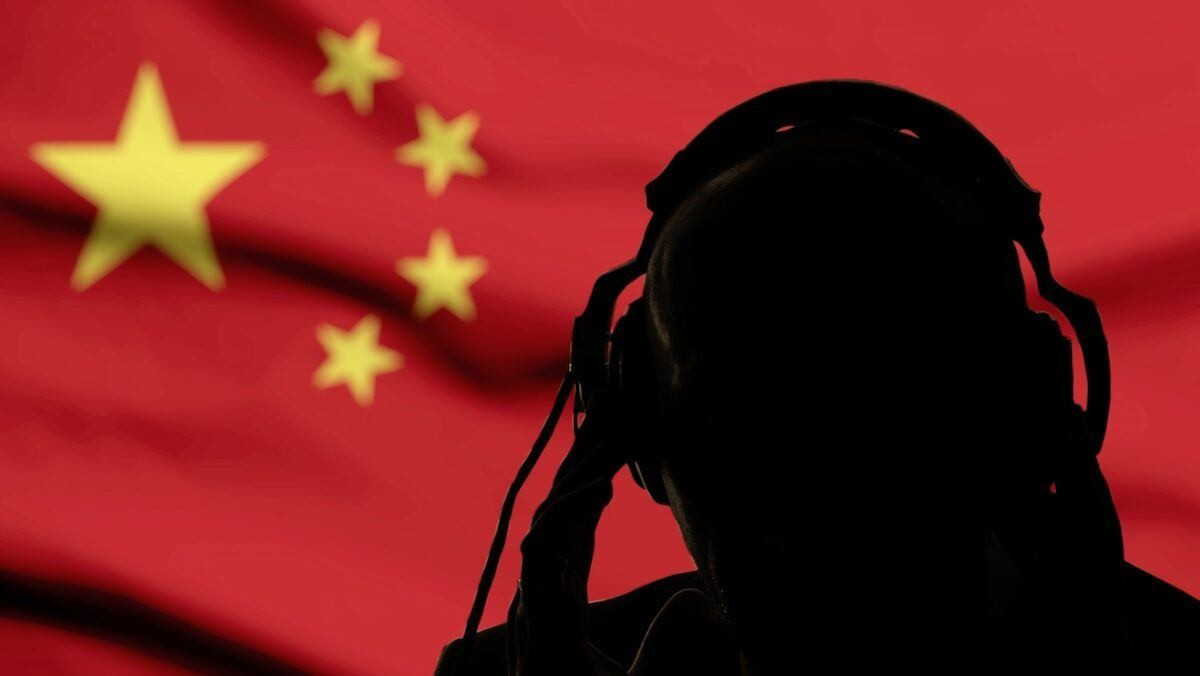
A global coalition of more than two dozen cyber and intelligence agencies—including the U.S., members of the “Five Eyes,” and allies in Europe and Asia—has issued a formal advisory linking the China-backed cyber espionage group known as “Salt Typhoon” to three additional Chinese companies: Sichuan Juxinhe, Beijing Huanyu Tianqiong Information Technology, and Sichuan Zhixin Ruijie. These companies allegedly provided support to the Ministry of State Security and the People’s Liberation Army, assisting in one of the most pervasive hacking campaigns in history—targeting over 200 U.S. firms across 80 countries, including telecom giants and critical infrastructure. Washington and its partners have sanctioned one firm and warned of the growing threat, while Beijing maintains its denial of any government involvement.
Sources: Reuters, Washington Post, Epoch Times
Key Takeaways
– Expanded Coalition Response: Over 20 allied cyber and intelligence agencies are coordinating public warnings and action against China-linked cyber espionage.
– Broader Company Involvement: Salt Typhoon’s network of support now includes three named Chinese tech firms, highlighting a deep industrial-intelligence nexus.
– Global Espionage Reach: With at least 200 U.S. firms and operations in 80 countries impacted, the Salt Typhoon campaign represents an unprecedented threat to global communications and national security.
In-Depth
This month’s cyber alert is a sobering reminder that the battle for digital infrastructure isn’t confined to firewalls—it’s an ideological front, too.
A broad coalition of intelligence and cybersecurity agencies from the U.S., the Five Eyes alliance, and partners in Europe and Asia have publicly attributed the espionage operations of Salt Typhoon—a Chinese state–sponsored advanced persistent threat (APT)—to three more tech firms based in China: Sichuan Juxinhe, Beijing Huanyu Tianqiong, and Sichuan Zhixin Ruijie. Citing a newly released advisory, these companies are accused of supplying services and technology to the Ministry of State Security and the People’s Liberation Army, acting as enablers in what federal officials call one of the most far-reaching cyber campaigns in recent memory.
Salt Typhoon has evolved from a covert operation into a global espionage behemoth—breaching more than 200 U.S. companies, infiltrating telecom infrastructure, and hacking into sensitive government and defense systems across at least 80 nations. By stealing metadata, call records, and even some wiretap data, this campaign has compromised privacy and government functionality alike, exposing vulnerabilities lurking in network infrastructures once taken for granted. One Treasury‑linked company tied to Salt Typhoon—Sichuan Juxinhe—has already been sanctioned by the U.S., with others likely to follow if they’re proven to be complicit.
Critics argue that Salt Typhoon’s scale and sophistication reflect a long-term Chinese strategy, part of its broader “100‑Year Plan” to recast global intelligence gathering. Yet, conservative voices here in the U.S. see this as a wake-up call—not just for Silicon Valley or Department of Homeland Security, but for every business and household relying on secure communications. It’s time to toughen up our digital defenses, close off legal and physical backdoors, and never assume our infrastructure is safe simply because it’s trusted.