

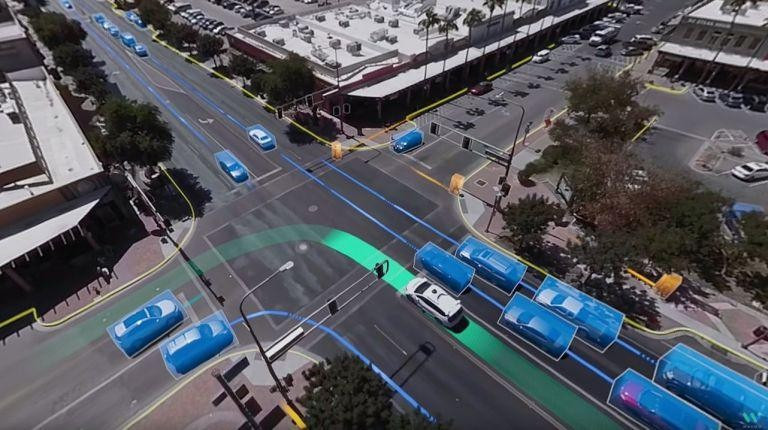
A tense encounter in San Francisco’s Noe Valley has renewed concerns about how autonomous vehicles respond to vulnerable pedestrians. Ben Fisher was crossing Sanchez and Duncan streets with his 2-year-old daughter when she fell in the crosswalk as a Waymo robotaxi moved into the intersection. Fearing the vehicle had not detected her, Fisher pushed an empty stroller into its path; the vehicle stopped about 13 feet away. Waymo maintains that its system had detected both pedestrians, slowed appropriately, displayed a pedestrian-yield signal and stopped independently of Fisher’s intervention. The disagreement comes amid heightened scrutiny of autonomous-vehicle safety around children, including an ongoing federal investigation into a January incident in Santa Monica in which a Waymo struck a 9-year-old near an elementary school.
Key Takeaways
- The central dispute is not whether the Waymo ultimately stopped—it did—but whether an autonomous vehicle should have entered the intersection at all while a 2-year-old pedestrian remained in the crosswalk.
- Waymo says its technology functioned properly, detected the pedestrians and stopped approximately 13 feet away, while the child’s father believes his intervention may have prevented a potentially catastrophic collision.
- The incident strengthens the case for holding autonomous systems to a higher standard than ordinary motorists, particularly around children, schools and crosswalks, as federal regulators are already investigating Waymo’s handling of vulnerable pedestrians.
In-Depth
A encounter in San Francisco’s Noe Valley is renewing a question surrounding autonomous vehicles: how cautious should a driverless car be when children are in a crosswalk?
Ben Fisher was crossing Sanchez and Duncan streets with his 2-year-old daughter when she tripped and fell. A Waymo robotaxi that had paused at a stop sign began moving into the intersection. Fisher, fearing the vehicle had failed to recognize his daughter, rushed forward and pushed an empty stroller into its path. The Waymo stopped 13 feet away.
Waymo disputes the implication that Fisher’s intervention prevented a collision. The company says its system detected both pedestrians, slowed, displayed a pedestrian-yield signal and had already stopped before the stroller was placed in front of it. Fisher argues that the vehicle should never have advanced while a toddler remained in the crosswalk.
That distinction matters. Autonomous vehicles are not competing with human driving; companies are asking people to trust machines with decisions involving children, pedestrians and unpredictable street conditions. A system can avoid a collision while still behaving in a manner that alarms people who cannot know what its software intends.
The episode arrives amid scrutiny. Federal investigators are examining a January incident in Santa Monica in which a Waymo struck a 9-year-old near an elementary school, causing minor injuries.
Innovation deserves room to advance, but streets are not laboratories without consequences. When vulnerable pedestrians are present, caution should be the default, and autonomous-vehicle companies should bear the burden of proving their systems deserve confidence.
Sources
- https://hoodline.com/2026/09/noe-valley-dad-says-waymo-nearly-hit-his-toddler-after-she-fell-in-crosswalk/
- https://sfist.com/2026/09/01/father-says-waymo-car-nearly-hit-toddler-who-fell-in-noe-valley-crosswalk/
- https://www.reuters.com/world/us/us-opens-probe-after-waymo-self-driving-vehicle-strikes-child-near-school-2026-01-29/
- https://www-s.ntsb.gov/investigations/Pages/HWY26FH008.aspx