

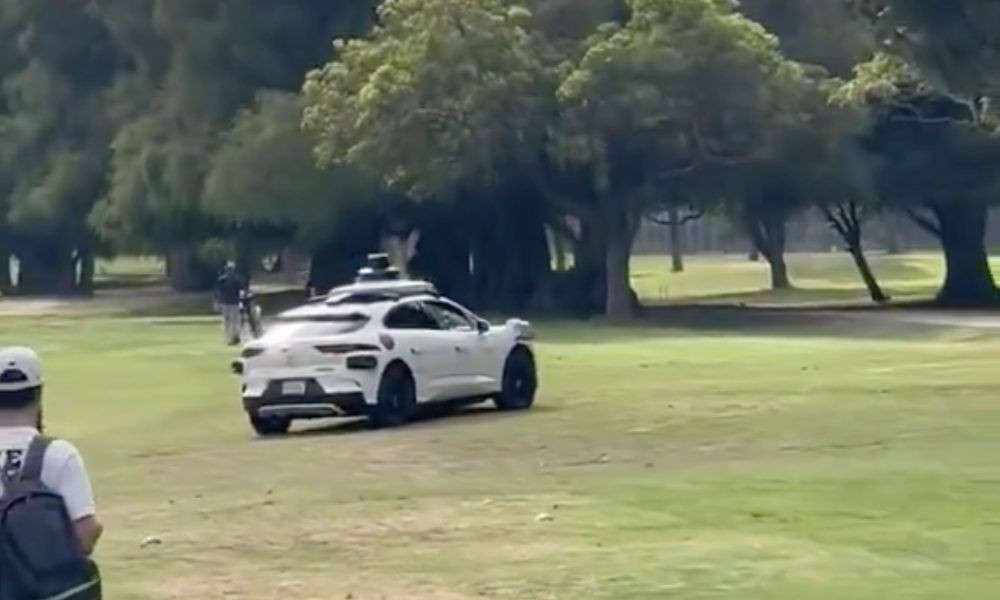
In a viral video doing the rounds, a Waymo-branded vehicle was seen rolling across a golf course amid onlookers’ laughter, leading many to assume a self-driving failure — but Waymo quickly pushed back, clarifying that the car was being operated by a human in preparation for an event at the Penmar Golf Course. The company’s statement came under heavy notice for how different the reaction would likely be if Tesla‘s Full Self-Driving had behaved similarly, given Tesla’s history of intense media scrutiny. This incident underscores a broader climate of skepticism around autonomous driving, especially as Tesla’s robotaxi ambitions face contemporaneous regulatory pressure over documented infractions and safety concerns.
Sources: Teslarati, The Autopian
Key Takeaways
– Waymo insists the viral “robotaxi on a golf course” clip was not autonomous; a human driver was behind the wheel prepping for an event.
– The contrast in media and public reaction between a Waymo misstep and a hypothetical Tesla FSD slip highlights Tesla’s fraught reputation in autonomous tech.
– Tesla’s robotaxi program is under regulatory scrutiny, as videos show its vehicles committing traffic violations and raising questions about safety oversight.
In-Depth
The recent viral video of what appeared to be a Waymo robotaxi rolling over a golf course seemed, at first glance, a spectacular failure in autonomous driving. But Waymo was quick to intervene with a corrective narrative: the vehicle was in human hands, being driven for event-prep purposes at Los Angeles’s Penmar Golf Course. Reports from Technologist and media outlets confirmed that the car was participating in a “Sunset Session” event and the driving behavior was not autonomous at that moment. Many commentators noted that had a Tesla FSD system produced the same footage, the media fallout would likely have been far harsher.
This has become a useful lens for examining how perception, precedent, and reputation shape how people receive stories about autonomous vehicles. Tesla’s Full Self-Driving (FSD) is already under intense scrutiny: the National Highway Traffic Safety Administration (NHTSA) is investigating videos of its robotaxis veering into wrong lanes or violating traffic norms. In June, regulators sought further data from Tesla after clips surfaced of robotaxis driving into opposing lanes or misusing turning lanes. At the same time, some legal and safety analysts have questioned Tesla’s marketing of FSD, arguing that it blurs the line between driver-assist systems and true autonomy.
Waymo’s swift rebuttal suggests that autonomous operators have learned the high cost of allowing ambiguity to reign. When “self-driving” vehicles behave poorly, the narrative rapidly becomes one of recklessness, and trust is hardest earned. Tesla’s struggle to define and defend its robotaxi rollouts—particularly by framing them with optimistic timelines—only magnifies the risk. In this environment, even an appearance of failure can invite fierce backlash, especially in states or circles already primed to single out Tesla. The Waymo incident thus becomes more than a quirky video; it’s a kind of cautionary tale about reputation, optics, and the stakes of operating autonomy in the public eye.