

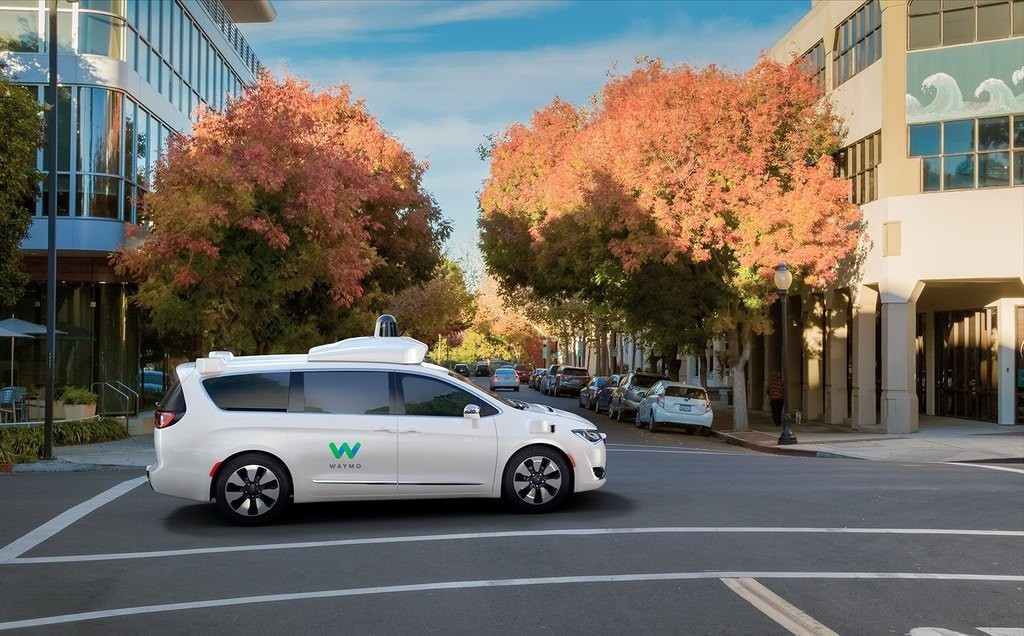
Waymo has begun testing both its Jaguar I‑Pace SUVs and Zeekr RT autonomous vans in Denver and Seattle, deploying approximately a dozen human‑driven vehicles in each city to gather mapping data and better understand extreme weather conditions like snow, rain, and wind, with the aim of launching fully autonomous robotaxi services in Denver by 2026 and Seattle pending regulatory approval and further testing .
Sources: TechCrunch, Cosmico.com, StartUp Ecosystem
Key Takeaways
– Weather-Ready Expansion: Waymo is putting its autonomous tech through the paces in challenging weather markets—Denver and Seattle—to stress-test its system beyond the fair-weather climates it’s often deployed in.
– Cautious Rollout Approach: The company is initially using safety drivers behind the wheel to map and refine operations, aiming for fully autonomous services once data and regulatory hurdles are cleared.
– Strategic U.S. Footprint Growth: This move underscores Waymo’s broader ambition—scaling its Waymo One service to a growing number of diverse U.S. cities, bolstering its footprint in autonomous ride-hailing.
In-Depth
Waymo’s move to test its robotaxi technology in Denver and Seattle marks a calculated step forward for the company’s expansion strategy. The addition of both Jaguar I-Pace SUVs and Zeekr RT vans to these cities’ streets shows that the company is not just relying on exotic prototypes but scaling with production-ready electric vehicles adapted for autonomy.
Starting operations with human drivers at the wheel makes sense—Waymo gains valuable real-world mapping data and operational insight while maintaining control and safety margins. It’s a pragmatic, phased approach that aligns with conservative principles of gradual deployment and risk mitigation.
Choosing Denver and Seattle isn’t arbitrary. These markets introduce the kind of weather extremes—snow, cold, rain, wind—that Waymo’s fleet hasn’t systematically navigated yet. Successfully operating in such conditions would be a big win for both reliability and public confidence. Treading into these cities suggests Waymo is intentionally testing its systems in environments that historically challenge autonomous platforms, lending credibility to its long-term goal of national coverage.
Waymo aims to launch full robotaxi service in Denver by 2026, assuming local regulators sign off. Seattle’s deployment timetable remains tied to approvals, but testing is underway. This mirrors the company’s broader expansion blueprint. Past growth into Phoenix, L.A., San Francisco, and Austin set the stage; now Denver and Seattle deepen that reach and diversity. The move also signals to investors and regulators that Waymo is serious about scaling responsibly.
From a broader transportation policy standpoint, Waymo’s incremental entry into harsher climates helps move the industry forward. It offers the promise of safer, more reliable mobility solutions—even in tough conditions—without rushing prematurely into unverified territory. At its best, robotics and autonomous vehicles can reduce traffic risks, improve access, and increase efficiency. But wide deployment must be matched with rigorous testing. Waymo’s conservative, data-driven method appears to respect that balance.
All told, the deployment in Denver and Seattle isn’t flashy hype—it’s deliberate, methodical, and potentially transformative. If the company checks the boxes on safety, tech readiness, and regulatory compliance, the robotaxis of tomorrow may arrive sooner and more robustly than many expect.