

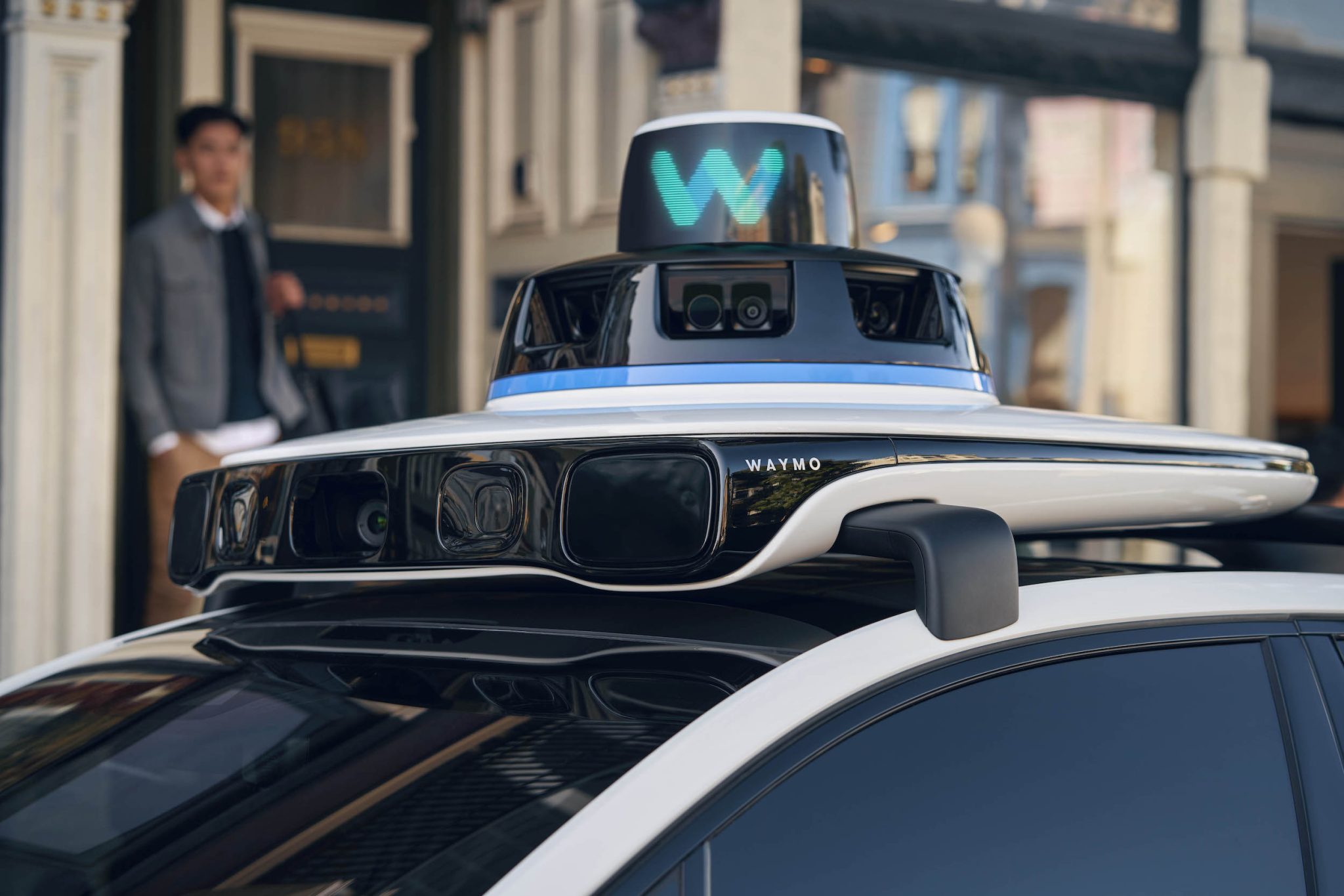
Alphabet-owned Waymo is preparing a massive expansion of its autonomous vehicle operations, reportedly planning to increase its robotaxi fleet from approximately 4,000 vehicles to 20,000 by the end of 2027. The company aims to double its fleet to 8,000 vehicles by the end of 2026, financing its expansion partly through a recently secured $5 billion loan. Central to the strategy are Chinese-manufactured Ojai electric vehicles produced by Zeekr, a subsidiary of Geely Holding Group, which are subsequently equipped with Waymo’s autonomous driving technology in Arizona. While the expansion promises to accelerate driverless transportation across American cities and international markets, it has also raised concerns among federal lawmakers regarding Chinese manufacturing, national security, domestic automotive employment, and the implications of allowing foreign-produced vehicles into America’s increasingly connected transportation infrastructure.
Key Takeaways
– Massive Fleet Expansion: Waymo reportedly intends to increase its autonomous vehicle fleet fivefold to 20,000 vehicles by the end of 2027, supported by $5 billion in new financing and growing demand for driverless transportation.
– Chinese Manufacturing Raises Security Questions: Waymo’s reliance on thousands of Chinese-manufactured Zeekr vehicles has attracted congressional scrutiny over potential national security vulnerabilities, supply-chain dependence, and competition with American automakers.
– Federal Regulation Faces a Critical Test: Existing restrictions on Chinese-connected vehicle technology, alongside proposed congressional legislation, could influence Waymo’s expansion and establish important precedents for America’s autonomous transportation industry.
In-Depth
Waymo’s reported plan to deploy 20,000 autonomous vehicles by the end of 2027 represents a significant acceleration in America’s transition toward driverless transportation. The Alphabet subsidiary currently operates approximately 4,000 robotaxis and intends to double that number before the end of 2026, positioning itself as a leading competitor in an increasingly consequential technological marketplace.
The expansion is supported by a $5 billion financing agreement secured through private lenders, supplementing substantial earlier investment. Waymo expects the additional capital to support vehicle purchases, operational infrastructure, and expansion into additional domestic and international markets. However, the company’s aggressive growth strategy has introduced questions extending beyond technological innovation and commercial viability.
Particularly controversial is Waymo’s reliance on Chinese-manufactured vehicles supplied by Zeekr, a subsidiary of Geely Holding Group. Approximately 5,100 Ojai vehicles are reportedly expected to be imported by year’s end. Although Waymo installs its proprietary autonomous driving systems in Arizona, lawmakers have questioned whether the underlying manufacturing relationship presents national security or industrial competitiveness concerns.
Federal restrictions targeting Chinese and Russian connected-vehicle technology are scheduled to take effect in stages beginning with model year 2027. Additional congressional proposals could impose broader limitations on Chinese-manufactured automobiles.
Waymo maintains that it supports existing federal safeguards and takes steps to comply with applicable requirements.
The broader question is whether America’s rapidly expanding autonomous transportation industry can achieve technological leadership without creating new dependencies on foreign manufacturing. Private-sector innovation deserves room to flourish, but protecting American infrastructure, safeguarding sensitive information, and maintaining domestic industrial competitiveness remain legitimate national priorities.
Sources
• https://www.semafor.com/article/10/19/2026/waymo-plans-to-quintuple-its-fleet
• https://insideevs.com/news/812642/waymo-quintuple-fleet-5000-robotaxis/
• https://www.driverless.news/article/waymo-plans-20000-robotaxi-fleet-2027